


In the intricate web of industrial automation, solenoid valves serve as unsung heroes, controlling the flow of fluids and gases with precision and reliability. Among the various types available, long service life solenoid valves stand out as a cornerstone of operational efficiency, offering extended durability and reduced maintenance costs. This comprehensive guide explores the key features, benefits, and applications of these valves, shedding light on why they are becoming an indispensable component in modern industrial settings.
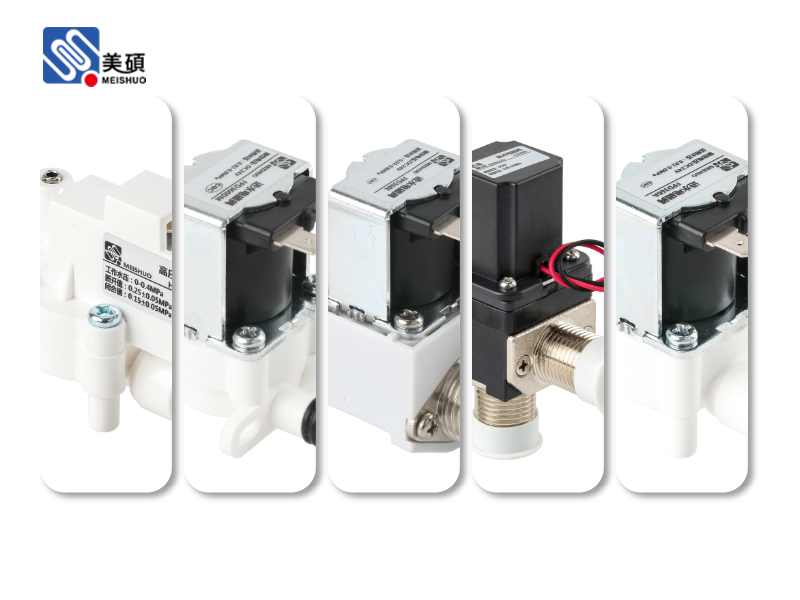
At its core, a long service life solenoid valve is designed to withstand the rigors of continuous operation, often in harsh environments. Unlike standard valves, which may require frequent replacement due to wear and tear, these specialized valves are engineered with high-quality materials and advanced manufacturing techniques. For instance, many long service life solenoid valves feature stainless steel or brass bodies, which resist corrosion and maintain structural integrity even in corrosive or high-pressure conditions. The internal components, such as the armature and seal, are also constructed from durable materials like PTFE or Viton, ensuring they can handle repeated cycles without degradation.
One of the primary advantages of long service life solenoid valves is their ability to reduce downtime. In industries where every minute of operation counts, such as manufacturing, oil and gas, or water treatment, unexpected valve failures can lead to costly production halts. By investing in valves with extended lifespans, companies can minimize the frequency of maintenance and replacement, thus optimizing productivity. Additionally, these valves often come with features like low power consumption and efficient heat dissipation, which not only contribute to their longevity but also reduce energy costs over time.
Another key benefit is their versatility across various applications. Long service life solenoid valves are suitable for a wide range of industries, from food and beverage processing, where hygiene is paramount, to chemical plants, where resistance to aggressive substances is critical. In the automotive industry, they play a vital role in engine control systems, ensuring precise fuel injection and emissions management. In the healthcare sector, they are used in medical devices and equipment, where reliability is non-negotiable. This adaptability makes them a go-to solution for engineers and plant managers looking to enhance system performance.
To ensure the optimal performance of long service life solenoid valves, proper installation and maintenance are essential. During installation, it is crucial to follow the manufacturer's guidelines, including correct alignment, pressure ratings, and electrical connections. Regular inspections, such as checking for leaks, wear on seals, and electrical issues, can help identify potential problems before they escalate. Additionally, using compatible fluids and adhering to recommended operating parameters will extend the valve's lifespan further.
In conclusion, long service life solenoid valves represent a smart investment for industries seeking to improve operational efficiency and reduce costs. Their robust design, durability, and versatility make them a reliable choice for a wide range of applications. By understanding their features and implementing proper maintenance practices, businesses can unlock the full potential of these valves, ensuring smooth and uninterrupted operations for years to come. As technology continues to advance, we can expect even more innovations in solenoid valve design, further enhancing their performance and longevity in the industrial landscape.

 Chat Oline