


DC solenoid valves are the unsung heroes of modern fluid control systems, quietly powering countless industrial and consumer applications. These compact yet powerful devices convert electrical energy into mechanical motion, enabling precise control over fluid flow in a wide range of environments.
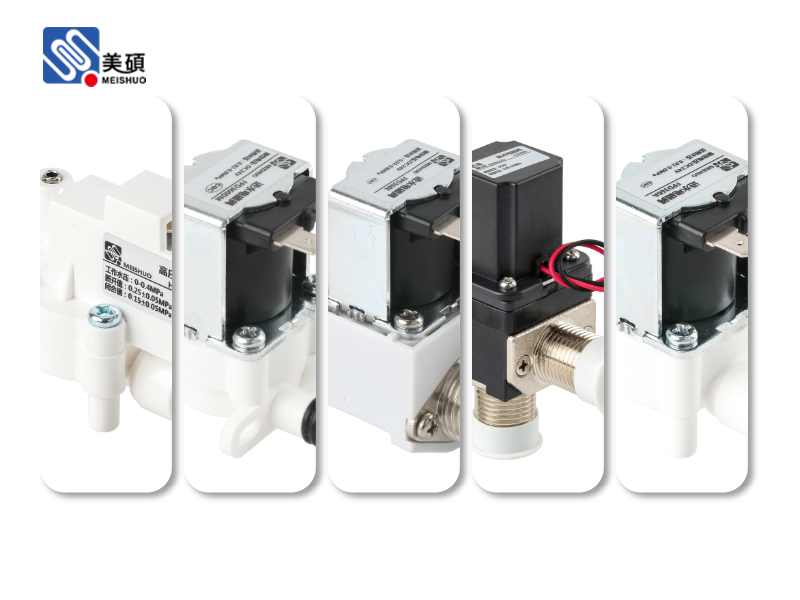
At its core, a DC solenoid valve consists of three main components: an electromagnet, a valve body, and a sealing mechanism. When a direct current (DC) is applied to the electromagnet, it generates a magnetic field that pulls a plunger or armature, opening or closing the valve. The simplicity of this design belies its versatility, as DC solenoid valves can handle everything from air and water to aggressive chemicals and high-pressure fluids.
One of the key advantages of DC solenoid valves is their rapid response time. Unlike mechanical valves that require manual operation or pneumatic systems with inherent delays, DC solenoid valves can switch states in milliseconds. This makes them ideal for applications requiring precise timing, such as in medical devices, automotive systems, and industrial automation.
Another benefit is their energy efficiency. DC solenoid valves consume minimal power when in the closed position, and many models feature latching mechanisms that maintain position without continuous power. This not only reduces energy costs but also extends the lifespan of the valve by minimizing heat generation.
The applications of DC solenoid valves are vast and varied. In the automotive industry, they control fuel injection, transmission systems, and emission controls. In HVAC systems, they regulate the flow of refrigerants and water. Medical devices rely on them for precise fluid delivery in infusion pumps and diagnostic equipment. Even in everyday appliances like washing machines and dishwashers, DC solenoid valves ensure proper water flow and temperature control.
When selecting a DC solenoid valve, several factors must be considered. The operating voltage (typically 12V or 24V DC), flow rate requirements, pressure rating, and fluid compatibility all play crucial roles. Additionally, environmental factors such as temperature extremes, humidity, and exposure to corrosive substances must be taken into account to ensure optimal performance and longevity.
Advancements in materials science and manufacturing techniques have led to the development of more durable and efficient DC solenoid valves. Modern valves often feature corrosion-resistant materials like stainless steel and PTFE seals, allowing them to handle harsh chemicals and extreme temperatures. Some models also incorporate smart technology, enabling remote monitoring and control through IoT connectivity.
Despite their many advantages, DC solenoid valves are not without limitations. They can be sensitive to voltage fluctuations and may require protective circuitry to prevent damage. Additionally, their mechanical components can wear over time, necessitating regular maintenance and replacement. However, proper installation and maintenance practices can mitigate these issues, ensuring reliable operation for years.
In conclusion, DC solenoid valves are indispensable components in modern fluid control systems. Their ability to provide fast, precise, and energy-efficient control makes them a preferred choice across industries. As technology continues to advance, we can expect further innovations in DC solenoid valve design, expanding their capabilities and applications even further. Whether in industrial automation, medical technology, or consumer appliances, DC solenoid valves will remain at the heart of fluid control for the foreseeable future.

 Chat Oline