


AC solenoid valves are integral components in countless industrial and commercial applications, yet they often go unnoticed despite their critical role in fluid control systems. These electromechanical devices convert electrical energy into mechanical motion, enabling precise control over the flow of liquids and gases in a wide range of industries.
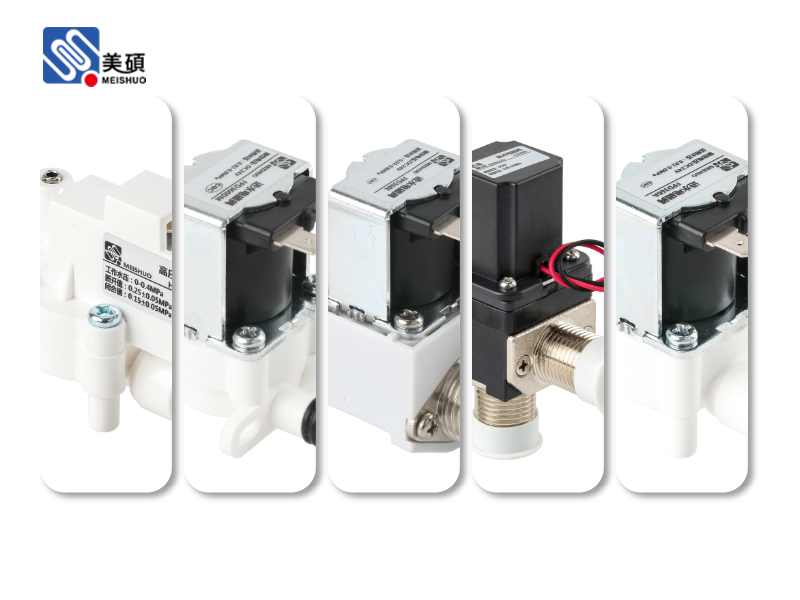
At its core, an AC solenoid valve consists of three main parts: a coil, a plunger, and a valve body. When an alternating current is applied to the coil, it creates a magnetic field that pulls the plunger, which in turn opens or closes the valve. The AC power source provides the necessary energy to activate the valve, making it suitable for applications requiring high force and rapid response.
One of the key advantages of AC solenoid valves is their ability to generate strong magnetic forces. The alternating current creates a constantly changing magnetic field, which allows the valve to produce more force than its DC counterparts of similar size. This makes AC solenoid valves particularly useful in applications that require large flow rates or high pressure control.
Another benefit of AC solenoid valves is their reliability. The AC power supply provides a consistent source of energy, reducing the risk of voltage fluctuations that can affect valve performance. Additionally, AC solenoid valves typically have fewer moving parts compared to other types of valves, which means they require less maintenance and have a longer lifespan.
AC solenoid valves are used in a wide range of industries, including manufacturing, automotive, medical, and HVAC. In manufacturing, they are used to control the flow of compressed air in pneumatic systems, while in the automotive industry, they play a critical role in fuel injection systems. In the medical field, AC solenoid valves are used in diagnostic equipment and fluid delivery systems, where precision and reliability are essential.
When selecting an AC solenoid valve, several factors should be considered. The type of fluid being controlled, operating pressure, flow rate, and environmental conditions all play a role in determining the appropriate valve for a specific application. Additionally, the voltage and frequency of the AC power supply must match the valve's specifications to ensure optimal performance.
Proper installation and maintenance are also essential for ensuring the longevity and reliability of AC solenoid valves. Regular inspection of the valve's components, including the coil, plunger, and seals, can help identify potential issues before they become major problems. Additionally, ensuring that the valve is installed in a clean, dry environment can prevent corrosion and other forms of damage.
In conclusion, AC solenoid valves are essential components in modern fluid control systems, providing precise, reliable control over the flow of liquids and gases. Their ability to generate strong magnetic forces, combined with their reliability and versatility, makes them ideal for a wide range of applications. By understanding the key features and benefits of AC solenoid valves, engineers and technicians can select the right valve for their specific needs, ensuring optimal performance and efficiency in their systems.

 Chat Oline