general-purpose relay: the backbone of electrical control systems
Release time:2025-12-31 05:03:50
A general-purpose relay is an essential component in electrical control systems that enables the control of high-power circuits through a low-power signal. These versatile and reliable devices are used across various industries, from home appliances to industrial machinery, providing critical functions in automation, safety, and signaling systems. In this article, we explore the basic working principle of general-purpose relays, their main components, applications, and their significant role in modern electrical engineering.
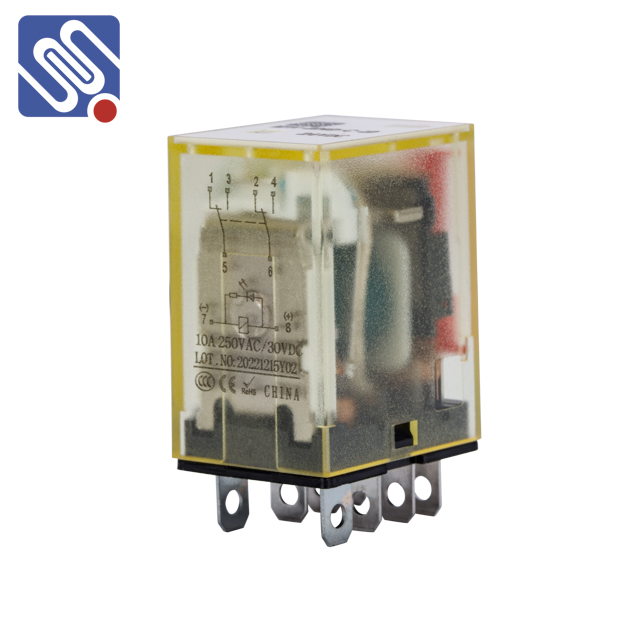
What is a General-purpose Relay?
A general-purpose relay is an electromagnetic switch that allows electrical circuits to be opened or closed using an external control signal. It is called a "general-purpose" relay because of its wide range of applications and its ability to handle different voltage and current types, both AC (alternating current) and DC (direct current). These relays are designed to perform simple switching tasks, but their utility in complex control systems makes them indispensable in various automation and control processes.
How Does a General-purpose Relay Work?
The working principle of a general-purpose relay relies on the electromagnetic effect. The relay contains a coil that, when energized, creates a magnetic field. This magnetic field moves an armature (a movable iron part) that opens or closes a set of contacts. These contacts control the flow of current in the connected circuit, either making or breaking the circuit based on the state of the relay.




 Chat Oline