


A direct acting solenoid valve is a fundamental component in fluid control systems, designed to manage the flow of liquids or gases through a pipeline. Unlike pilot-operated valves, which use the fluid pressure to actuate the valve, direct acting solenoid valves rely solely on the electromagnetic force generated by a coil to open or close the valve mechanism. This direct actuation mechanism makes them particularly suitable for applications requiring precise control, quick response times, and reliable operation in low-pressure environments.
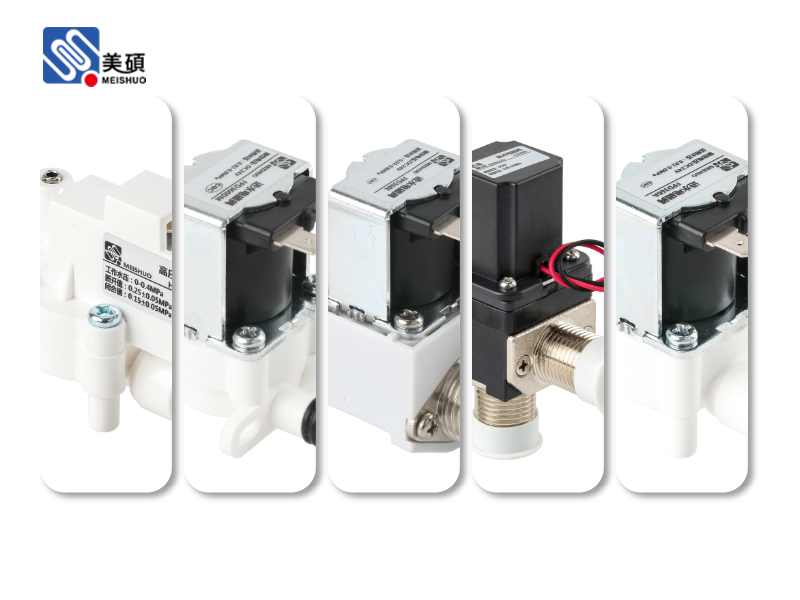
The basic structure of a direct acting solenoid valve consists of a coil, a plunger, a spring, and a valve seat. When an electrical current is applied to the coil, it creates a magnetic field that pulls the plunger towards the coil, overcoming the spring force. This movement opens the valve, allowing fluid to pass through. When the current is removed, the spring pushes the plunger back to its original position, closing the valve and stopping the flow. The simplicity of this design contributes to the valve's reliability, as there are fewer moving parts that can fail compared to more complex valve types.
One of the key advantages of direct acting solenoid valves is their ability to operate effectively at low pressures, including vacuum conditions. This makes them ideal for applications such as vacuum systems, medical equipment, and analytical instruments where maintaining precise pressure control is critical. Additionally, their quick response time—often measured in milliseconds—enables them to handle rapid changes in flow requirements, making them suitable for automated processes in industries like manufacturing, automotive, and food and beverage.
Direct acting solenoid valves are also highly versatile, available in various configurations to meet specific application needs. They can be designed for normally closed (NC), normally open (NO), or universal (both NC and NO) operation, depending on the requirements of the system. The valve body can be made from different materials, including brass, stainless steel, and plastic, to ensure compatibility with different fluids and environmental conditions. The choice of material is crucial, as it affects the valve's resistance to corrosion, temperature, and chemical exposure.
InIn industrial applications, direct acting solenoid valves play a vital role in controlling the flow of air, water, oil, and other fluids. For example, in pneumatic systems, they are used to actuate cylinders, control the flow of compressed air, and manage the operation of various tools and machinery. In the automotive industry, they are employed in fuel injection systems, transmission control, and emission control systems, where precision and reliability are essential. In the medical field, they are used in diagnostic equipment, drug delivery systems, and patient monitoring devices, where safety and accuracy are of utmost importance.
Despite their many advantages, direct acting solenoid valves do have some limitations. They typically have lower flow rates compared to pilot-operated valves, which may make them less suitable for high-flow applications. Additionally, the electromagnetic coil requires a continuous electrical supply to keep the valve open, which can lead to higher energy consumption in some cases. However, these limitations are often outweighed by their benefits, especially in applications where precision, reliability, and quick response are critical.
In conclusion, direct acting solenoid valves are essential components in fluid control systems, offering precise control, quick response, and reliable operation. Their simple design, versatility, and ability to operate in low-pressure environments make them suitable for a wide range of applications across various industries. As technology continues to advance, direct acting solenoid valves are likely to become even more efficient and versatile, further expanding their use in both industrial and consumer applications. Whether in manufacturing, automotive, medical, or other fields, these valves play a crucial role in ensuring the smooth and efficient operation of fluid control systems.

 Chat Oline