


In the world of modern irrigation, the water system solenoid valve plays a crucial yet often overlooked role. This small but powerful component is the unsung hero behind efficient and automated watering systems, ensuring precise water distribution and optimal plant health.
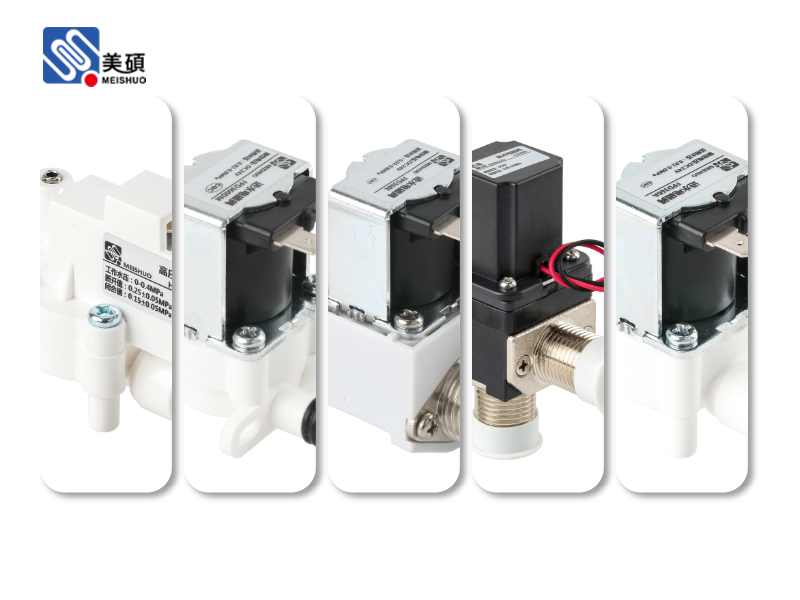
At its core, a water system solenoid valve is an electromechanically operated valve that controls the flow of water in irrigation systems. It works by using an electromagnetic coil to open and close a valve mechanism, allowing water to flow when the coil is energized and stopping the flow when it's de-energized. This simple yet effective mechanism makes it ideal for automated irrigation systems, where precise control over water flow is essential.
One of the key advantages of water system solenoid valves is their ability to be controlled remotely. They can be connected to an irrigation controller or smart home system, allowing users to schedule watering times, adjust water flow rates, and even monitor system performance from anywhere. This level of control not only saves time and effort but also helps conserve water by ensuring that plants receive the right amount of water at the right time.
Another important feature of water system solenoid valves is their durability and reliability. They are designed to withstand harsh outdoor conditions, including extreme temperatures, humidity, and exposure to chemicals. High-quality solenoid valves are made from corrosion-resistant materials, such as brass or stainless steel, which ensure long-term performance and minimal maintenance.
When it comes to choosing a water system solenoid valve, there are several factors to consider. The size of the valve should match the water flow requirements of the irrigation system. Valves are available in various sizes, from small 1/2-inch valves for residential gardens to large 2-inch valves for commercial irrigation systems. The operating pressure range is also important, as it determines the valve's ability to handle different water pressure levels.
In addition to size and pressure, the type of valve is another important consideration. There are two main types of water system solenoid valves: normally closed (NC) and normally open (NO). Normally closed valves are closed when de-energized and open when energized, while normally open valves are open when de-energized and closed when energized. The choice between these two types depends on the specific application and the desired operating mode.
Proper installation and maintenance are essential for ensuring the optimal performance of water system solenoid valves. During installation, it's important to ensure that the valve is installed in the correct orientation and that all connections are tight and secure. Regular maintenance, such as cleaning the valve and checking for leaks, can help prevent issues and extend the life of the valve.
In conclusion, the water system solenoid valve is a critical component of modern irrigation systems. Its ability to provide precise control over water flow, remote operation, and durability make it an essential tool for efficient and sustainable watering. Whether for residential gardens, commercial landscapes, or agricultural applications, the water system solenoid valve plays a vital role in ensuring optimal plant health and water conservation.

 Chat Oline