


Water is one of the most precious resources on our planet, and ensuring access to clean, safe drinking water has become a global priority. Reverse osmosis (RO) systems have emerged as a leading solution for water purification, providing households and businesses with high-quality drinking water. While the RO membrane often takes center stage in discussions about water purification, there's another critical component that plays an equally important role: the reverse osmosis solenoid valve. This small but powerful device is the unsung hero of RO systems, ensuring efficient operation and water conservation.
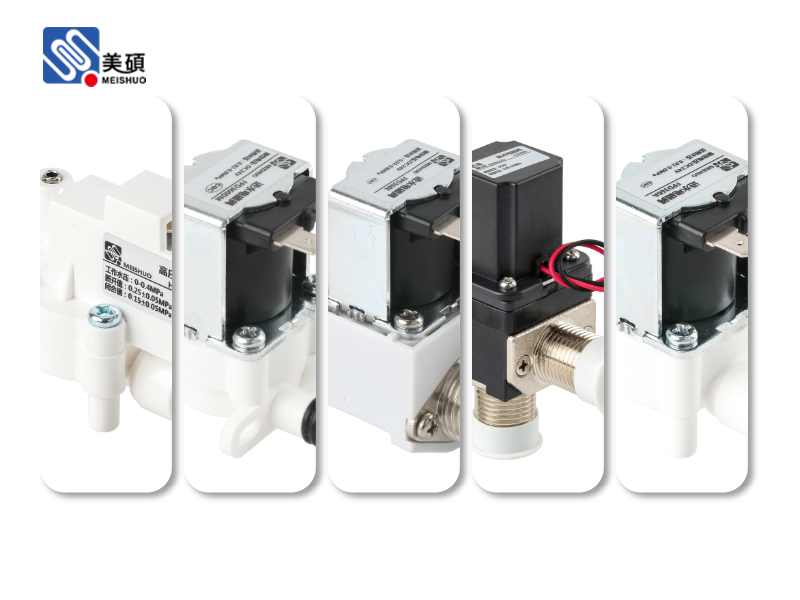
A reverse osmosis solenoid valve is an electromechanical device that controls the flow of water in RO systems. It consists of a coil, a plunger, and a valve body, working together to open and close the water flow based on electrical signals. When an electric current passes through the coil, it creates a magnetic field that pulls the plunger, opening the valve and allowing water to flow. When the current stops, the magnetic field dissipates, and a spring returnsushes the plunger back into place, closing the valve. This simple yet effective mechanism makes the solenoid valve an essential component in RO systems.
One of the primary functions of the reverse osmosis solenoid valve is to control the water flow during the filtration process. RO systems work by applying pressure to water, forcing it through a semipermeable membrane that removes impurities, contaminants, and dissolved solids. The solenoid valve regulates the water flow into the system, ensuring that the membrane operates at the optimal pressure and flow rate. This not only improves the efficiency of the filtration process but also extends the lifespan of the membrane by preventing damage from excessive pressure or flow.
Another important role of the reverse osmosis solenoid valve is to prevent water waste. RO systems produce both purified water and wastewater, with the wastewater typically being a byproduct of the filtration process. The solenoid valve helps to control the flow of wastewater, ensuring that it is discharged efficiently and that the system does not waste excess water. In some RO systems, the solenoid valve is also used to shut off the water supply when the storage tank is full, preventing overflows and conserving water.
The reverse osmosis solenoid valve also plays a crucial role in maintaining the quality of the purified water. By controlling the flow of water into the system, the valve ensures that the membrane is not overloaded with contaminants, which can reduce its effectiveness over time. Additionally, the valve helps to prevent backflow, which can introduce contaminants into the purified water supply. This is particularly important in areas where the water supply may be contaminated, as backflow can compromise the safety of the drinking water.
When selecting a reverse osmosis solenoid valve, there are several factors to consider. The valve must be compatible with the RO system's pressure and flow rate requirements, as well as the type of water being filtered. It should also be made from durable materials that can withstand the harsh conditions of water purification, such as corrosion and high pressure. Additionally, the valve should be easy to install and maintain, with minimal downtime for repairs or replacements.
In conclusion, the reverse osmosis solenoid valve is a critical component of RO systems, playing a vital role in ensuring efficient operation, water conservation, and water quality. While it may not be as well-known as the RO membrane, its importance cannot be overstated. As the demand for clean drinking water continues to grow, the reverse osmosis solenoid valve will remain an essential part of water purification systems, helping to provide safe and reliable drinking water to millions of people around the world.

 Chat Oline