


Flow control solenoid valves are essential components in fluid management systems, playing a critical role in regulating the flow of liquids and gases across various industries. These devices combine the precision of solenoid technology with the functionality of flow control mechanisms, making them indispensable in modern engineering applications.
At its core, a flow control solenoid valve operates by using an electromagnetic coil to actuate a valve mechanism, which in turn controls the flow rate of the fluid passing through it. When electrical current is applied to the coil, it generates a magnetic field that moves a plunger or armature, opening or closing the valve. This design allows for rapid, precise control over fluid flow, making these valves ideal for applications requiring quick response times.
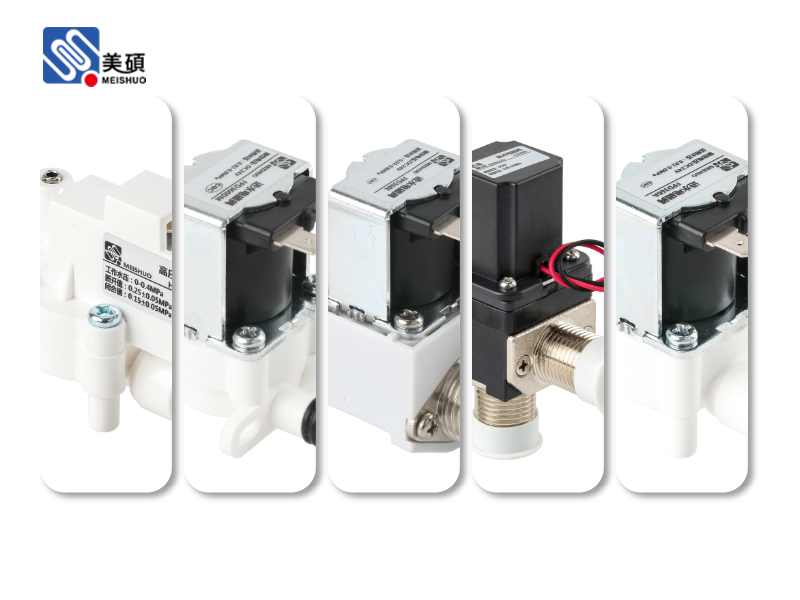
The working principle of flow control solenoid valves involves several key components: the solenoid coil, the valve body, the plunger or armature, and the flow control mechanism. The solenoid coil converts electrical energy into magnetic force, which moves the plunger to open or close the valve. The flow control mechanism, which may include orifices, throttles, or other flow-restricting elements, determines the rate at which fluid can pass through the valve. By adjusting the electrical signal to the solenoid, operators can precisely control the position of the valve, thereby regulating the flow rate.
Flow control solenoid valves find applications in a wide range of industries. In the automotive sector, they are used in fuel injection systems to control the flow of fuel to the engine, ensuring optimal performance and fuel efficiency. In the manufacturing industry, these valves are integral to hydraulic and pneumatic systems, controlling the flow of hydraulic fluid or compressed air to power machinery and equipment. They are also used in heating, ventilation, and air conditioning (HVAC) systems to regulate the flow of refrigerant, ensuring efficient temperature control.
One of the key advantages of flow control solenoid valves is their ability to provide precise, repeatable flow control. Unlike manual valves, which rely on human operation and are prone to inconsistency, solenoid valves can be controlled electronically, allowing for accurate and consistent flow rates. This precision is particularly important in applications where even small variations in flow can have significant consequences, such as in medical devices or chemical processing.
Another advantage is their fast response time. Solenoid valves can open or close in milliseconds, making them suitable for applications requiring rapid changes in flow. This is especially useful in automated systems, where quick adjustments are necessary to maintain optimal operation. Additionally, flow control solenoid valves are highly reliable and require minimal maintenance, as they have few moving parts and are designed to withstand harsh operating conditions.
When selecting a flow control solenoid valve, several factors must be considered. These include the type of fluid being controlled (liquid or gas), the required flow rate, the operating pressure and temperature, and the electrical requirements of the solenoid coil. It is also important to consider the valve's material construction, as different materials are suitable for different fluids and operating environments. For example, valves used in corrosive environments may require stainless steel or other corrosion-resistant materials.
In conclusion, flow control solenoid valves are versatile and essential components in fluid management systems. Their ability to provide precise, rapid flow control makes them invaluable in a wide range of industries, from automotive and manufacturing to HVAC and medical devices. By understanding their principles, applications, and advantages, engineers and operators can select the right valve for their specific needs, ensuring efficient and reliable operation of their systems.

 Chat Oline