


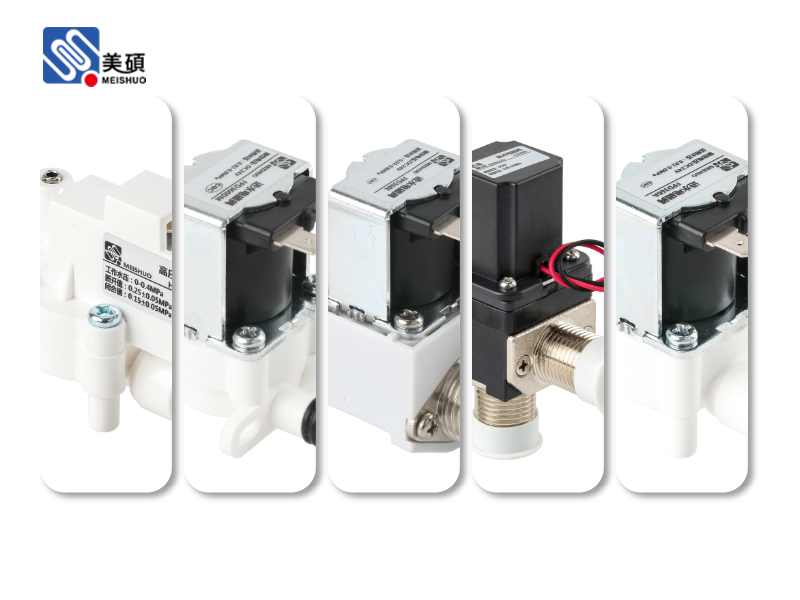
In the world of fluid control systems, OEM plastic solenoid valves have emerged as a versatile and cost-effective solution for a wide range of industries. These specialized components combine the precision of solenoid technology with the durability and affordability of plastic materials, making them an ideal choice for original equipment manufacturers seeking reliable and customizable fluid control solutions.
OEM plastic solenoid valves are specifically designed to meet the unique requirements of different applications. Unlike standard off-the-shelf valves, these components are tailored to fit the exact specifications of the equipment they will be integrated into. This customization ensures optimal performance, seamless integration, and maximum efficiency, which is particularly important in industries where precision and reliability are critical.
One of the key advantages of OEM plastic solenoid valves is their material composition. High-quality engineering plastics such as PPS, PEEK, and PVDF offer excellent chemical resistance, allowing these valves to handle a variety of fluids including water, chemicals, and gases. The plastic construction also provides significant weight reduction compared to metal valves, which can be beneficial in applications where weight is a concern, such as in medical devices or portable equipment.
The design flexibility of OEM plastic solenoid valves is another major benefit. Manufacturers can customize various aspects of the valve, including flow rates, pressure ratings, connection types, and actuation voltages. This level of customization ensures that the valve will perform optimally in its intended application, whether it's controlling fluid flow in a medical device, regulating pressure in an industrial system, or managing water distribution in a household appliance.
In addition to their technical advantages, OEM plastic solenoid valves offer economic benefits. The use of plastic materials generally results in lower production costs compared to metal alternatives, which can translate to cost savings for both the OEM and the end-user. Furthermore, the customization process allows manufacturers to design valves that minimize waste and optimize performance, leading to more efficient and cost-effective systems overall.
The applications of OEM plastic solenoid valves are diverse and span multiple industries. In the medical field, these valves are used in devices such as infusion pumps, diagnostic equipment, and laboratory instruments where precision fluid control is essential. In the automotive industry, they play a role in fuel systems, emissions control, and climate control systems. Household appliances, such as washing machines and dishwashers, also rely on these valves to manage water flow and pressure.
When selecting an OEM plastic solenoid valve, several factors should be considered. These include the type of fluid being controlled, operating pressure and temperature ranges, required flow rates, and the specific environmental conditions the valve will be exposed to. Working closely with a reputable valve manufacturer is crucial to ensure that the final product meets all necessary specifications and performance requirements.
As technology continues to advance, the capabilities of OEM plastic solenoid valves are also evolving. Manufacturers are developing new materials with enhanced properties, such as improved chemical resistance and higher temperature tolerance, expanding the range of applications these valves can serve. Additionally, advancements in manufacturing processes, such as 3D printing, are enabling even more complex and customized valve designs.
In conclusion, OEM plastic solenoid valves represent a powerful solution for fluid control in a wide array of applications. Their combination of customization, material advantages, and cost-effectiveness makes them an attractive choice for original equipment manufacturers across various industries. By partnering with experienced valve manufacturers and leveraging the latest technological advancements, companies can develop fluid control systems that are not only efficient and reliable but also tailored to their specific needs and requirements.

 Chat Oline