


Direct acting solenoid valves are essential components in modern industrial systems, playing a crucial role in controlling fluid flow with precision and reliability. Unlike pilot-operated valves that rely on fluid pressure to actuate, direct acting solenoid valves use an electromagnet to directly move the valve's internal components, making them ideal for applications requiring immediate response and precise control.
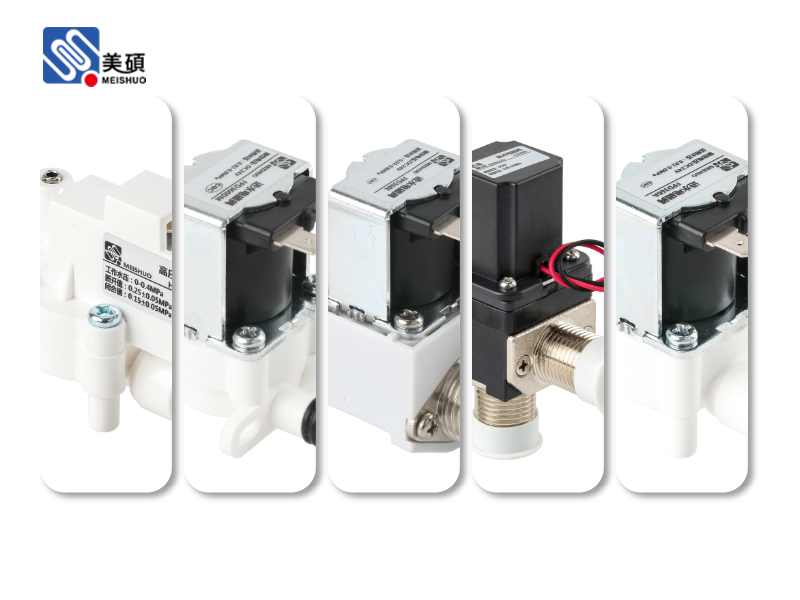
The fundamental principle behind direct acting solenoid valves lies in the interaction between an electromagnet and a movable core. When an electric current is applied to the solenoid coil, it generates a magnetic field that attracts the core, which in turn opens or closes the valve. This direct mechanical action ensures rapid response times, often measured in milliseconds, making them suitable for applications where timing is critical. The absence of pilot pressure requirements also means these valves can operate effectively in low-pressure or vacuum environments, a distinct advantage over their pilot-operated counterparts.
One of the key applications of direct acting solenoid valves is in fluid control systems across various industries. In the automotive sector, they are used in fuel injection systems to precisely meter fuel delivery, contributing to improved engine efficiency and reduced emissions. In the medical field, these valves play a vital role in diagnostic equipment, such as blood analyzers and dialysis machines, where accurate fluid control is essential for patient safety. Additionally, they are widely employed in HVAC systems to regulate the flow of refrigerants, ensuring optimal temperature control in commercial and residential buildings.
Another significant advantage of direct acting solenoid valves is their compact design and versatility. Their simple construction, consisting of a coil, core, and valve body, allows for easy integration into space-constrained systems. This compactness, combined with their ability to handle a wide range of fluids—including gases, liquids, and even corrosive substances—makes them suitable for diverse industrial applications. Furthermore, their low power consumption and minimal maintenance requirements contribute to cost-effectiveness over the long term.
Despite their numerous benefits, direct acting solenoid valves do have limitations. They typically have lower flow rates compared to pilot-operated valves, making them less suitable for high-flow applications. Additionally, the direct mechanical action can lead to higher wear and tear on internal components, potentially reducing their lifespan in harsh operating conditions. However, advancements in materials science and engineering have led to the development of more durable valves, with improved resistance to corrosion and wear.
In conclusion, direct acting solenoid valves are indispensable in modern industry, offering precise control, rapid response, and versatility across a wide range of applications. Their ability to operate in low-pressure environments and compact design make them a preferred choice for many engineers and system designers. As technology continues to evolve, we can expect further innovations in solenoid valve design, enhancing their performance and expanding their applications in the years to come.

 Chat Oline