


Mini solenoid valves, often overlooked in the grand scheme of industrial and consumer technology, play a crucial role in countless applications. These compact, electromechanical devices are the unsung heroes that enable precise fluid control in everything from medical equipment to automotive systems. Their diminutive size belies their importance, making them essential components in a world where space is at a premium.
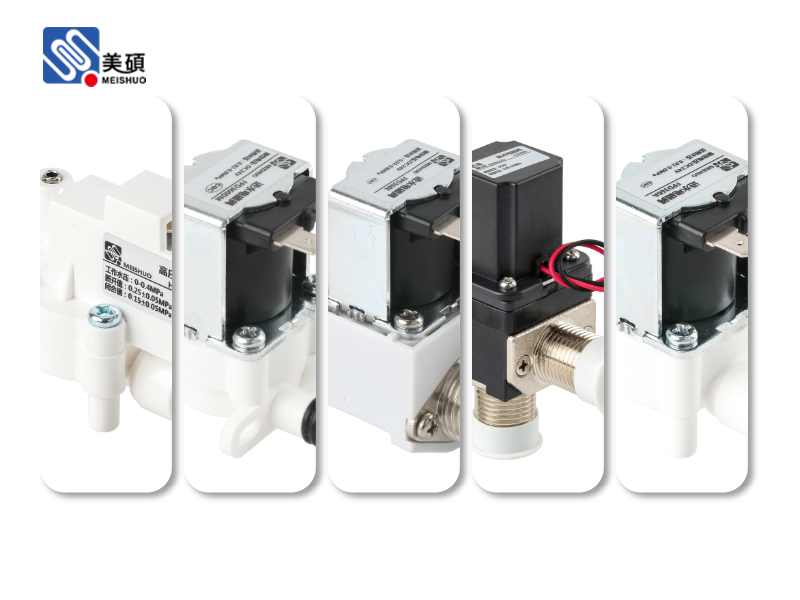
At its core, a mini solenoid valve is a device that uses an electromagnetic coil to control the flow of liquids or gases. When an electric current is applied to the coil, it creates a magnetic field that moves a plunger or armature, which in turn opens or closes the valve. This simple yet effective mechanism allows for rapid, precise control of fluid flow, making mini solenoid valves ideal for applications requiring quick response times and accurate regulation.
One of the key advantages of mini solenoid valves is their compact size. Measuring just a few centimeters in length, these valves can be integrated into tight spaces where larger valves would be impractical. This makes them particularly valuable in portable devices, medical instruments, and aerospace applications, where every millimeter counts. For example, in insulin pumps, mini solenoid valves ensure precise delivery of medication, while in drones, they control fuel flow and hydraulic systems with minimal weight and space requirements.
Another significant benefit is their versatility. Mini solenoid valves are available in a wide range of configurations, including 2-way, 3-way, and 4-way designs, allowing them to handle various flow patterns. They can be used with different fluids, from water and air to corrosive chemicals and gases, making them suitable for diverse industries. Additionally, they can be operated with different voltage levels, from low-voltage DC to high-voltage AC, ensuring compatibility with various power sources.
The reliability of mini solenoid valves is another reason for their widespread use. These valves are designed to withstand millions of cycles, making them durable and long-lasting. Their simple construction with few moving parts reduces the risk of mechanical failure, and their sealed design prevents leaks and contamination. This reliability is critical in applications where downtime is costly, such as in industrial automation or medical devices.
In the medical field, mini solenoid valves are indispensable. They are used in diagnostic equipment, such as blood analyzers and gas chromatographs, to control the flow of samples and reagents. In surgical instruments, they enable precise delivery of fluids and gases, ensuring the safety and effectiveness of procedures. Their small size and low power consumption also make them ideal for wearable medical devices, where portability and battery life are essential.
The automotive industry is another major user of mini solenoid valves. They are used in fuel injection systems to control the flow of fuel into the engine, improving efficiency and reducing emissions. In transmission systems, they regulate hydraulic pressure, ensuring smooth gear shifts. Additionally, they are used in brake systems, air conditioning, and emissions control, contributing to the overall performance and safety of vehicles.
Beyond these industries, mini solenoid valves find applications in consumer electronics, such as coffee machines and water purifiers, where they control the flow of liquids with precision. They are also used in industrial automation, where they regulate the flow of compressed air in pneumatic systems, enabling precise control of robotic arms and other machinery.
As technology continues to advance, the demand for mini solenoid valves is expected to grow. The rise of IoT devices, wearable technology, and miniaturized medical equipment will drive the need for smaller, more efficient fluid control solutions. Manufacturers are responding by developing valves with even smaller footprints, lower power consumption, and higher performance.
In conclusion, mini solenoid valves are essential components in modern technology, enabling precise fluid control in a wide range of applications. Their compact size, versatility, reliability, and efficiency make them indispensable in industries from medical to automotive. As the world becomes more connected and miniaturized, these unsung heroes will continue to play a vital role in shaping the future of technology.

 Chat Oline