


In the intricate network of modern plumbing and heating systems, one component often goes unnoticed despite its critical role— the hot water solenoid valve. This small but powerful device serves as the gatekeeper of hot water flow, ensuring that water is delivered precisely when and where it's needed. From residential homes to commercial establishments, hot water solenoid valves are integral to maintaining comfort, efficiency, and safety in our daily lives.
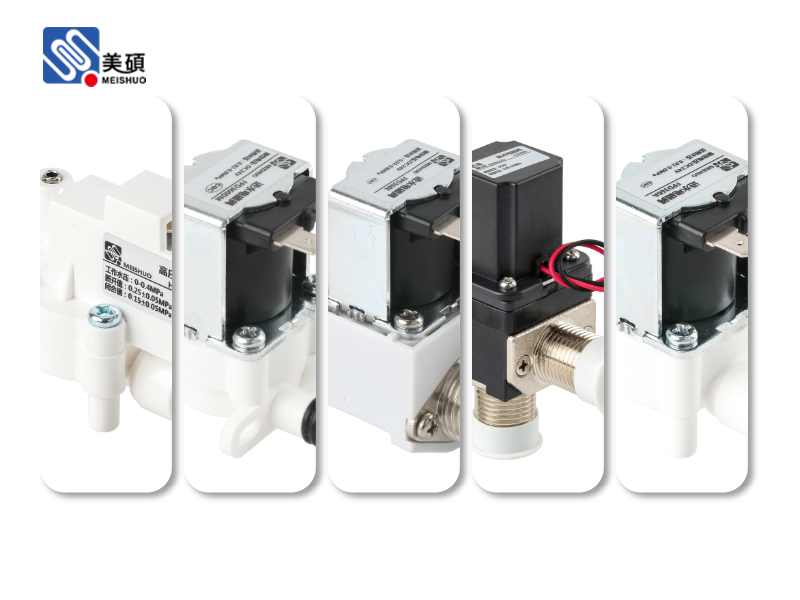
At its core, a hot water solenoid valve is an electromechanical device that controls the flow of hot water through a system. It consists of a coil, a plunger, and a valve seat. When an electric current is applied to the coil, it creates a magnetic field that pulls the plunger upward, opening the valve and allowing hot water to flow. When the current is cut off, the plunger falls back into place, closing the valve and stopping the flow. This simple yet effective mechanism allows for precise control over hot water distribution, making it an essential component in a wide range of applications.
One of the primary advantages of hot water solenoid valves is their ability to respond quickly to changes in demand. In residential settings, these valves are commonly used in dishwashers, washing machines, and hot water heaters. For example, when a dishwasher starts a cycle, the solenoid valve opens to allow hot water to enter the machine, ensuring that dishes are cleaned effectively. Similarly, in a hot water heater, the valve can be used to control the flow of water into the tank, preventing overfilling and ensuring that the water is heated to the desired temperature.
In commercial and industrial settings, hot water solenoid valves play an even more critical role. They are used in heating systems, food and beverage processing plants, and pharmaceutical manufacturing facilities, where precise control over hot water flow is essential for maintaining product quality and safety. For instance, in a brewery, solenoid valves are used to control the flow of hot water during the brewing process, ensuring that the temperature is maintained at the optimal level for fermentation. In a hospital, these valves are used in sterilization equipment, where hot water is needed to kill bacteria and other pathogens.
Another key benefit of hot water solenoid valves is their energy efficiency. By controlling the flow of hot water only when it's needed, these valves help to reduce energy consumption and lower utility bills. For example, in a residential hot water system, a solenoid valve can be programmed to open only when hot water is required, rather than keeping the water flowing continuously. This not only saves energy but also extends the life of the hot water heater by reducing wear and tear.
When choosing a hot water solenoid valve, there are several factors to consider. The first is the type of valve, which can be either normally open or normally closed. A normally open valve allows water to flow when there is no electric current, while a normally closed valve stops the flow when there is no current. The choice between these two types depends on the specific application and the desired level of control.
Another important factor is the material of the valve. Hot water solenoid valves are typically made from brass, stainless steel, or plastic. Brass is a popular choice because it is durable and resistant to corrosion, making it ideal for use in hot water systems. Stainless steel is also a good option, as it is highly resistant to rust and can withstand high temperatures. Plastic valves are often used in applications where cost is a concern, but they may not be as durable as metal valves.
The size of the valve is also an important consideration. The valve must be sized correctly to ensure that it can handle the flow rate of the hot water system. If the valve is too small, it may restrict the flow of water, leading to reduced performance. If it is too large, it may allow too much water to flow, leading to waste and increased energy consumption.
In addition to these factors, it is important to consider the operating pressure and temperature of the hot water system. The valve must be able to withstand the pressure and temperature of the water it is controlling. For example, a valve designed for use in a residential hot water system may not be suitable for use in a commercial system with higher pressure and temperature requirements.
Maintenance is another important aspect of hot water solenoid valves. Regular maintenance can help to ensure that the valve operates correctly and extends its lifespan. This includes cleaning the valve to remove any debris or sediment that may have accumulated, checking the coil for damage, and ensuring that the plunger moves freely. In some cases, it may be necessary to replace the valve if it becomes damaged or worn out.
In conclusion, the hot water solenoid valve is a small but essential component in modern water systems. Its ability to control the flow of hot water with precision and efficiency makes it an invaluable tool in both residential and commercial settings. By understanding the different types, materials, and factors to consider when choosing a valve, you can ensure that your hot water system operates at its best. Whether you are installing a new system or maintaining an existing one, the hot water solenoid valve is a component that should not be overlooked.

 Chat Oline