


Cold water solenoid valves are essential components in modern plumbing and industrial systems, designed to regulate the flow of cold water with precision and efficiency. These electromechanical devices use an electromagnetic coil to control the opening and closing of a valve, making them ideal for applications requiring automated water flow management.
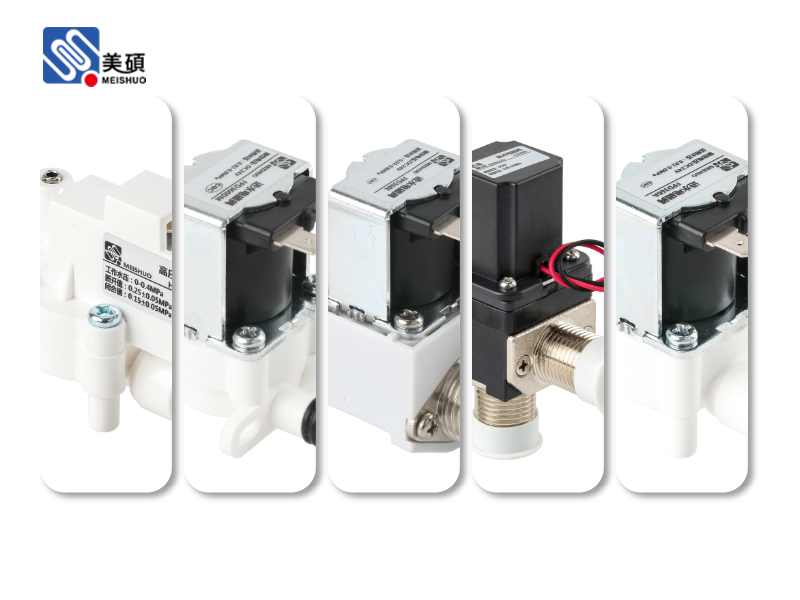
At its core, a cold water solenoid valve consists of a valve body, an electromagnetic coil, a plunger, and a sealing mechanism. When an electric current is applied to the coil, it creates a magnetic field that lifts the plunger, allowing water to flow through the valve. When the current is cut off, the plunger returns to its original position, closing the valve and stopping the water flow. This simple yet effective mechanism makes solenoid valves highly responsive and reliable.
The applications of cold water solenoid valves are diverse and widespread. In residential settings, they are commonly used in washing machines, dishwashers, and water filtration systems, where precise water flow control is essential. In commercial and industrial environments, these valves play a critical role in irrigation systems, fire protection systems, and industrial process control. Their ability to operate quickly and consistently makes them invaluable in situations where immediate water flow adjustment is required.
One of the key advantages of cold water solenoid valves is their energy efficiency. Unlike traditional manual valves, solenoid valves only consume electricity when they are actively opening or closing, resulting in lower energy costs over time. Additionally, their compact design and easy installation make them a cost-effective solution for both new installations and retrofits.
Proper maintenance is crucial to ensuring the longevity and performance of cold water solenoid valves. Regular inspection of the valve body, coil, and sealing components can help identify potential issues before they escalate. Common maintenance tasks include cleaning the valve to remove debris, checking for leaks, and testing the electrical connections. It is also important to ensure that the valve is compatible with the specific water pressure and temperature conditions of the application.
When selecting a cold water solenoid valve, several factors should be considered. The valve size, pressure rating, and flow rate must match the requirements of the system. Additionally, the material of the valve body and sealing components should be compatible with the type of water being handled, whether it is potable water, wastewater, or chemical solutions. It is also important to choose a valve with the appropriate voltage and electrical specifications to ensure compatibility with the control system.
In conclusion, cold water solenoid valves are versatile and reliable components that play a vital role in modern water management systems. Their ability to provide precise, automated control of water flow makes them indispensable in a wide range of applications, from residential appliances to industrial processes. By understanding their function, applications, and maintenance requirements, users can ensure optimal performance and longevity of these essential devices. Whether you are a homeowner looking to upgrade your plumbing system or an industrial engineer designing a complex process control system, cold water solenoid valves offer a practical and efficient solution for your water flow management needs.

 Chat Oline