


Solenoid valves for liquid control have become indispensable components in modern industrial and commercial systems, offering precise, reliable, and automated fluid management. These electromechanical devices convert electrical signals into mechanical motion to control the flow of liquids, making them ideal for applications requiring accurate flow regulation, on/off control, and remote operation. This article explores the key aspects of solenoid valves for liquid control, including their working principles, types, selection criteria, applications, and maintenance practices.
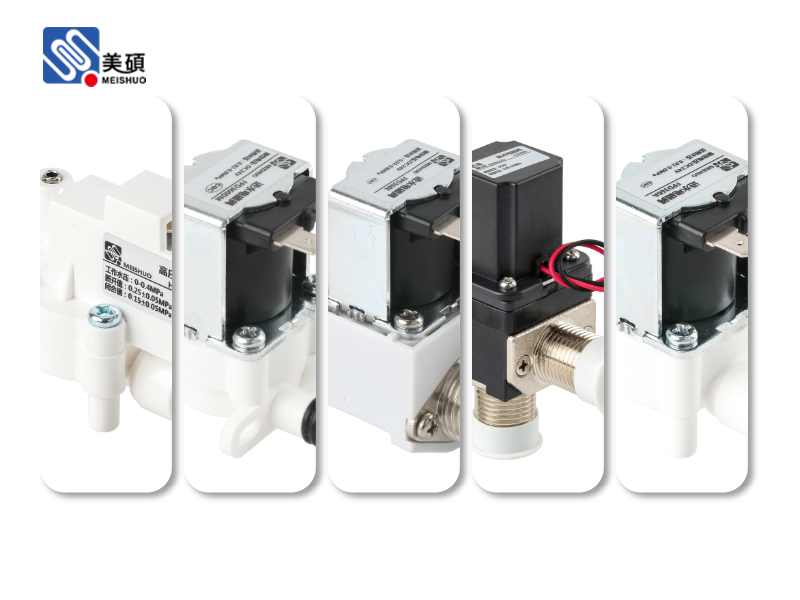
At the core of a solenoid valve is an electromagnet that, when energized, generates a magnetic field to actuate a plunger or armature. This movement opens or closes the valve's flow path, allowing or blocking liquid flow. The design varies based on the specific application, with common configurations including direct-acting, pilot-operated, and servo-assisted valves. Direct-acting valves use the magnetic force directly to move the plunger, making them suitable for low-pressure applications. Pilot-operated valves, on the other hand, use the pressure of the liquid itself to assist in opening the valve, enabling them to handle higher pressures and larger flow rates. Servo-assisted valves combine both direct and pilot operation for enhanced performance in complex systems.
Selecting the right solenoid valve for liquid control requires careful consideration of several factors. First, the type of liquid being controlled—whether it is water, oil, chemicals, or corrosive substances—dictates the choice of valve materials. For example, stainless steel valves are ideal for corrosive liquids, while brass or plastic valves may suffice for non-corrosive applications. Second, operating pressure and flow rate are critical. Valves must be rated to handle the maximum pressure and flow requirements of the system to ensure safe and efficient operation. Third, temperature compatibility is essential, as extreme temperatures can affect the valve's performance and lifespan. Additionally, the electrical requirements, such as voltage and current, must match the system's power supply to avoid damage or malfunction.
The applications of solenoid valves for liquid control are diverse and span across various industries. In the water treatment sector, they are used in filtration systems, irrigation, and water distribution networks to regulate flow and prevent backflow. In the food and beverage industry, solenoid valves play a crucial role in processing lines, controlling the flow of ingredients, cleaning solutions, and packaging materials. Pharmaceutical manufacturing relies on these valves for precise dosing and sterile fluid handling, ensuring compliance with strict quality standards. Automotive and aerospace industries use solenoid valves in fuel systems, hydraulic systems, and cooling circuits to maintain optimal performance and safety.
Proper maintenance is essential to ensure the longevity and reliability of solenoid valves for liquid control. Regular inspection helps identify potential issues such as leaks, worn seals, or electrical malfunctions. Cleaning the valve components, especially the plunger and seat, prevents debris buildup that can cause blockages or reduced performance. Lubrication of moving parts, using compatible lubricants, reduces friction and extends the valve's lifespan. Additionally, replacing worn or damaged parts, such as seals and O-rings, in a timely manner prevents costly downtime and system failures.
In conclusion, solenoid valves for liquid control are versatile and essential components in modern fluid management systems. Their ability to provide precise, automated control makes them invaluable across a wide range of industries. By understanding their working principles, selecting the right valve for the application, and implementing proper maintenance practices, businesses can ensure efficient operation, reduce costs, and enhance system reliability. As technology continues to advance, solenoid valves are likely to become even more sophisticated, offering improved performance and integration with smart systems for enhanced control and monitoring.

 Chat Oline