


A normally closed solenoid valve is a critical component in fluid control systems, designed to remain closed when not energized. This type of valve plays a vital role in various industrial, commercial, and residential applications, offering reliable control over the flow of liquids and gases.
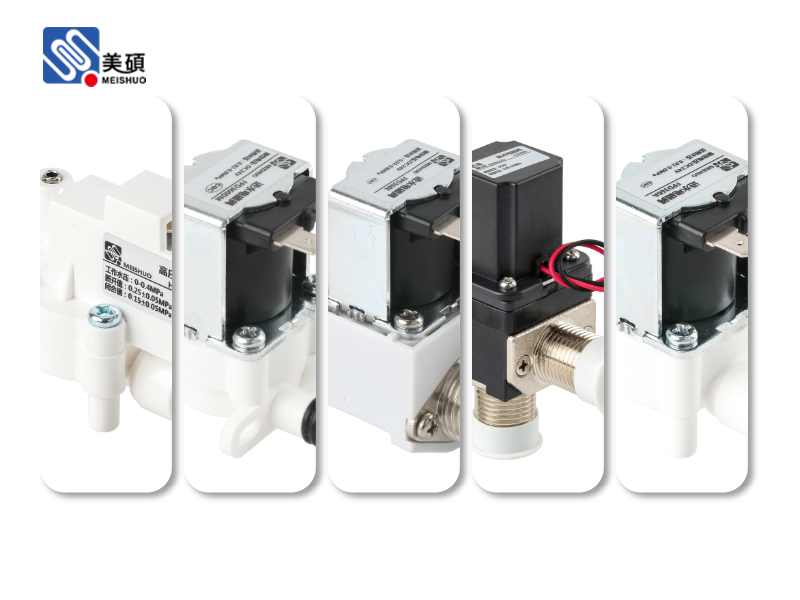
The design of a normally closed solenoid valve consists of several key components: a valve body, a solenoid coil, a plunger, and a spring mechanism. When the solenoid coil is de-energized, the spring force keeps the valve closed, preventing fluid flow. Upon energization, the electromagnetic field generated by the coil overcomes the spring force, lifting the plunger and allowing fluid to pass through the valve.
One of the primary advantages of normally closed solenoid valves is their fail-safe operation. In the event of power loss, the valve automatically returns to its closed position, preventing unintended fluid flow. This feature is particularly valuable in applications where safety is paramount, such as in gas systems, chemical processing plants, and fire suppression systems.
In industrial settings, normally closed solenoid valves are commonly used in hydraulic and pneumatic systems. They provide precise control over fluid flow, allowing for automated processes and reducing the need for manual intervention. For example, in manufacturing lines, these valves can be integrated into robotic systems to control the flow of lubricants or coolants, ensuring optimal performance and efficiency.
In the automotive industry, normally closed solenoid valves are essential components in fuel injection systems. They regulate the flow of fuel to the engine, ensuring efficient combustion and reducing emissions. Additionally, these valves are used in transmission systems to control the flow of hydraulic fluid, enabling smooth gear shifts and improved vehicle performance.
Residential applications also benefit from normally closed solenoid valves. They are commonly found in irrigation systems, where they control the flow of water to sprinklers. By automatically closing when not in use, these valves help conserve water and prevent overwatering. Similarly, in home plumbing systems, they can be used to shut off water flow in case of leaks, protecting against water damage.
The versatility of normally closed solenoid valves extends to medical devices as well. In healthcare settings, these valves are used in diagnostic equipment, drug delivery systems, and laboratory instruments. Their precise control and reliability make them ideal for applications where accuracy and safety are critical.
When selecting a normally closed solenoid valve, several factors should be considered, including the type of fluid, operating pressure, temperature range, and flow rate requirements. Different materials, such as brass, stainless steel, and plastic, are used to construct the valve body, depending on the application and the fluid being controlled.
Maintenance of normally closed solenoid valves is relatively straightforward. Regular inspection and cleaning can help prevent debris buildup and ensure optimal performance. It is also important to check the solenoid coil for signs of wear or damage, as a faulty coil can lead to valve failure.
In conclusion, normally closed solenoid valves are indispensable components in fluid control systems, offering reliable, safe, and efficient operation. Their ability to automatically close in the event of power loss makes them ideal for applications where safety is a priority. With their wide range of applications across various industries, these valves continue to play a crucial role in modern technology and infrastructure. As technology advances, we can expect further innovations in solenoid valve design, leading to even more efficient and reliable fluid control solutions.

 Chat Oline