


A normally open solenoid valve is a critical component in fluid control systems, designed to remain open when not energized. This unique operational characteristic sets it apart from normally closed valves, making it suitable for specific applications where continuous fluid flow is the default state.
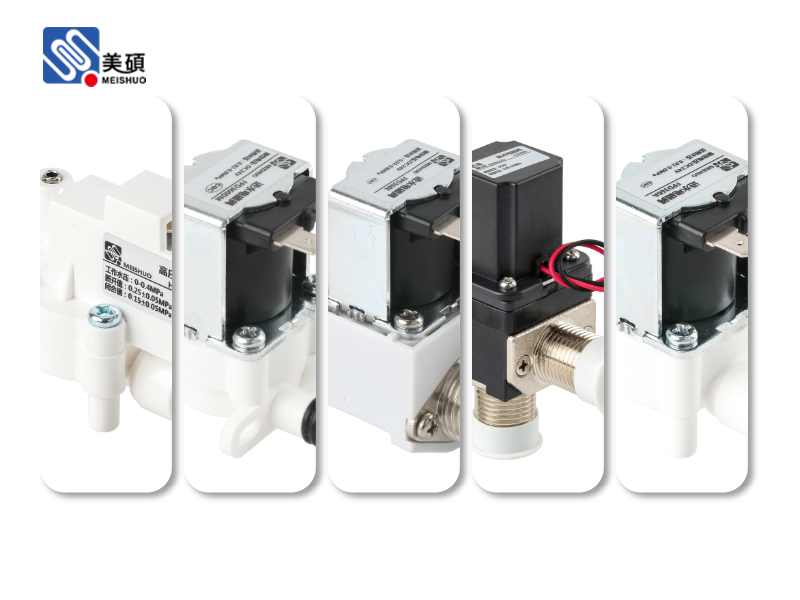
At its core, a normally open solenoid valve consists of a coil, plunger, spring, and valve body. When the coil is de-energized, the spring keeps the valve open, allowing fluid to flow through. When an electrical current is applied to the coil, it creates a magnetic field that pulls the plunger against the spring force, closing the valve and stopping the flow. This design ensures that in the event of power failure, the valve automatically returns to its open position, which is crucial for safety and fail-safe operations in many industries.
One of the key advantages of normally open solenoid valves is their fail-safe operation. In systems where fluid flow must continue even if power is lost, these valves provide an essential safety mechanism. For example, in fire suppression systems, normally open valves ensure that water can flow to sprinklers in case of a power outage, which is vital for protecting lives and property. Similarly, in ventilation systems, these valves maintain airflow during power failures, preventing the buildup of harmful gases.
Another important application is in industrial processes where continuous flow is required under normal conditions. In chemical processing plants, normally open valves are used to maintain a steady flow of raw materials, ensuring that production lines run smoothly. When a process needs to be stopped, the valve can be closed by energizing the coil, providing precise control over the flow.
The design of normally open solenoid valves also offers flexibility in installation and operation. They can be used with a variety of fluids, including water, air, oil, and gases, making them versatile across different industries. Additionally, they are available in various sizes and pressure ratings, allowing them to be tailored to specific system requirements.
However, it's important to consider the limitations of normally open solenoid valves. They consume power only when closed, which can be an advantage in terms of energy efficiency. But in applications where the valve is closed for extended periods, the continuous power consumption may be a concern. Proper selection based on the specific operational needs is essential to ensure optimal performance.
In conclusion, normally open solenoid valves play a vital role in fluid control systems, offering fail-safe operation, flexibility, and reliability. Their unique design makes them indispensable in industries where continuous flow is the default state, and safety is a top priority. By understanding their design, applications, and benefits, engineers and system designers can make informed decisions when selecting valves for their specific needs.

 Chat Oline