


In the intricate web of industrial fluid management, few components work as tirelessly or as unobtrusively as the filtration system solenoid valve. This unassuming device plays a critical role in maintaining the integrity of fluid systems across a wide range of industries, from manufacturing and automotive to food processing and water treatment. Yet, despite its importance, it often goes unnoticed until a problem arises.
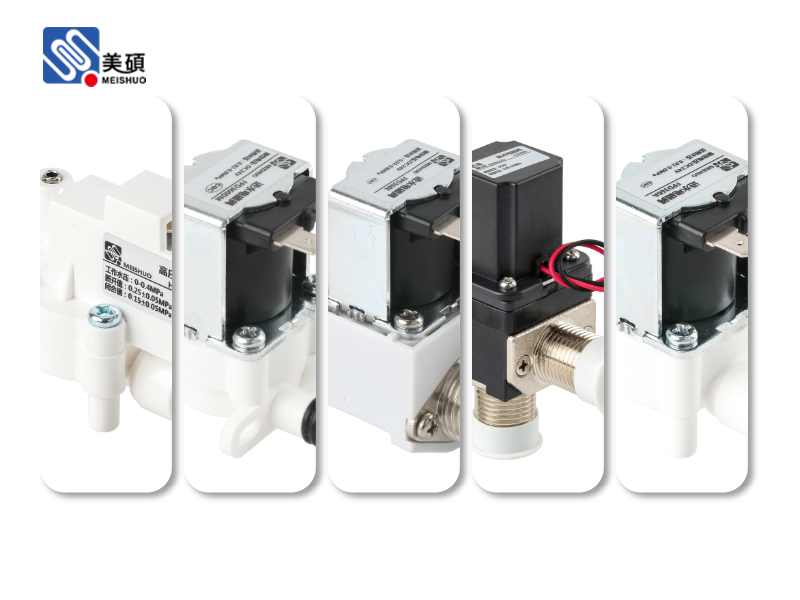
At its core, a filtration system solenoid valve is an electromechanically operated valve that controls the flow of fluid through a filtration system. It consists of a solenoid coil, a plunger, and a valve body with inlet and outlet ports. When an electric current is applied to the solenoid coil, it creates a magnetic field that pulls the plunger, opening the valve and allowing fluid to pass through. When the current is removed, a spring mechanism closes the valve, stopping the flow.
The primary function of these valves in filtration systems is to regulate the flow of fluid to and from filter elements. They are essential for maintaining optimal filtration efficiency by ensuring that fluid passes through the filter media at the correct rate and pressure. This helps to prevent premature filter clogging, extend filter life, and ensure that the filtered fluid meets the required purity standards.
One of the key advantages of solenoid valves in filtration systems is their ability to respond quickly to changes in system conditions. Unlike manual valves, which require human intervention, solenoid valves can be controlled remotely and can open or close in milliseconds. This rapid response time is crucial in applications where precise control of fluid flow is essential, such as in automated manufacturing processes or in systems that require frequent backwashing of filter elements.
Another important feature of filtration system solenoid valves is their versatility. They can be designed to handle a wide range of fluids, including water, oil, chemicals, and gases, and can operate under varying pressure and temperature conditions. This makes them suitable for use in diverse industries, from hydraulic systems in heavy machinery to purification systems in pharmaceutical manufacturing.
In water treatment applications, for example, solenoid valves are used to control the flow of water through sand filters, carbon filters, and reverse osmosis membranes. They help to ensure that water is filtered at the correct rate and that backwashing cycles are performed at the right intervals to remove accumulated contaminants. In food and beverage processing, solenoid valves play a critical role in maintaining the purity of ingredients and preventing cross-contamination between different production lines.
The reliability of filtration system solenoid valves is also a key factor in their widespread use. Modern valves are designed to withstand harsh operating conditions, including high pressures, corrosive fluids, and extreme temperatures. They are often constructed from durable materials such as stainless steel, brass, or plastic, and are tested to meet strict industry standards for performance and longevity.
However, like any mechanical component, solenoid valves require regular maintenance to ensure optimal performance. This includes periodic inspection of the valve body and seals for signs of wear or damage, cleaning of the valve internals to remove debris, and testing of the solenoid coil to ensure it is functioning correctly. Proper maintenance can help to prevent unexpected valve failures, which can lead to costly downtime and product quality issues.
In recent years, advances in technology have led to the development of more sophisticated filtration system solenoid valves. These include valves with integrated sensors that can monitor fluid flow, pressure, and temperature, providing real-time data to system operators. Some valves also feature smart control systems that can adjust valve operation based on changing system conditions, further improving efficiency and reliability.
Looking to the future, the role of filtration system solenoid valves is likely to become even more important as industries continue to adopt more automated and sustainable processes. With the growing focus on environmental protection and resource conservation, there is an increasing demand for filtration systems that can efficiently remove contaminants from fluids while minimizing energy consumption and waste. Solenoid valves will play a key role in meeting these demands by providing precise, reliable control over fluid flow in filtration systems.
In conclusion, the filtration system solenoid valve is a small but essential component in industrial fluid management. Its ability to control fluid flow with precision, speed, and reliability makes it indispensable in a wide range of applications. As technology continues to advance, these valves will continue to evolve, providing even greater efficiency and performance in the years to come. Whether in a water treatment plant, a manufacturing facility, or a food processing plant, the filtration system solenoid valve quietly ensures that fluids are filtered and processed safely and efficiently, making it the unsung hero of industrial fluid management.

 Chat Oline