


In the intricate world of fluid control systems, the quick open solenoid valve stands as a critical component that bridges the gap between precision and efficiency. This specialized valve has revolutionized various industries by providing rapid response times, precise flow control, and reliable operation in demanding environments. Understanding its design, functionality, and applications is essential for engineers, technicians, and industry professionals seeking optimal performance in fluid management systems.
A quick open solenoid valve operates on the principle of electromechanical actuation, where an electrical current activates a coil to generate a magnetic field. This field pulls a plunger or armature, which in turn opens the valve orifice. What sets the quick open variant apart from other solenoid valves is its ability to achieve full flow capacity almost instantaneously upon activation. Unlike proportional valves that gradually adjust flow rates, the quick open valve transitions from fully closed to fully open in milliseconds, making it ideal for applications requiring immediate response.
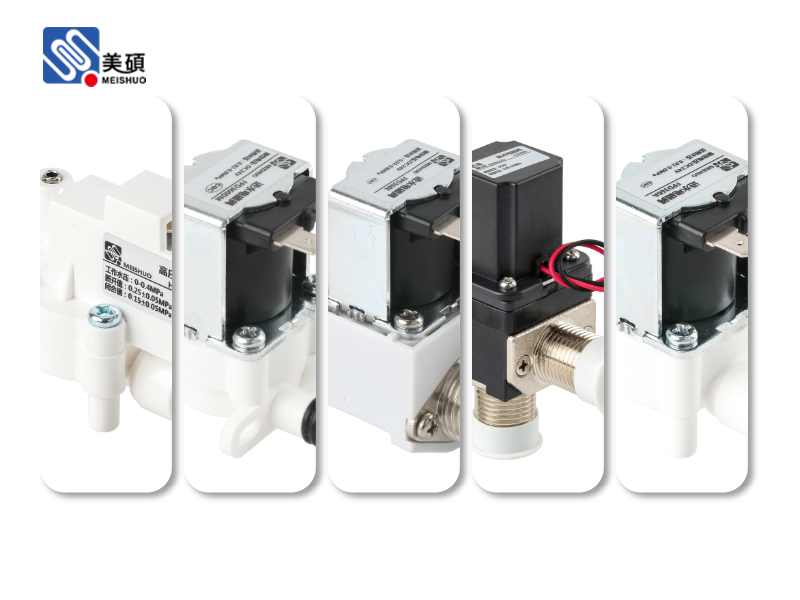
The design of a quick open solenoid valve is characterized by several key features. The valve body is typically constructed from durable materials such as stainless steel, brass, or aluminum to withstand high pressures and corrosive fluids. The internal components, including the plunger, spring, and seals, are engineered for minimal friction and maximum durability. The valve's orifice size and shape are carefully calibrated to ensure optimal flow characteristics, while the solenoid coil is designed to provide sufficient magnetic force for rapid actuation.
One of the most significant advantages of quick open solenoid valves is their versatility across various industries. In the automotive sector, they are used in fuel injection systems to precisely control fuel delivery, ensuring efficient combustion and reduced emissions. In the medical field, these valves play a crucial role in diagnostic equipment, drug delivery systems, and anesthesia machines, where precise fluid control can mean the difference between life and death. Industrial automation relies on quick open valves for pneumatic and hydraulic systems, enabling rapid actuation of cylinders, grippers, and other mechanical components.
The performance of a quick open solenoid valve is influenced by several factors, including voltage, pressure, and fluid properties. Proper selection based on these parameters is essential to ensure optimal operation. For example, high-pressure applications may require valves with reinforced bodies and specialized seals, while corrosive fluids demand materials with superior chemical resistance. Engineers must also consider the valve's response time, flow capacity, and power consumption when integrating it into a system.
Maintenance and troubleshooting are critical aspects of ensuring the longevity and reliability of quick open solenoid valves. Regular inspection of seals, coils, and electrical connections can prevent unexpected failures. Common issues include coil burnout, seal degradation, and foreign particle contamination, which can be mitigated through proper installation, filtration, and periodic maintenance. Understanding the valve's operating parameters and performance specifications is key to diagnosing and resolving problems efficiently.
In conclusion, the quick open solenoid valve represents a pinnacle of engineering innovation in fluid control technology. Its ability to provide rapid, precise flow control has made it an indispensable component in a wide range of applications, from automotive and medical devices to industrial automation systems. As technology continues to advance, we can expect further refinements in design and performance, enabling even more efficient and reliable fluid management solutions. For professionals in the field, staying informed about the latest developments in quick open solenoid valve technology is essential for optimizing system performance and achieving operational excellence.

 Chat Oline