


Solenoid valves are integral components in modern industrial systems, enabling precise control over fluid flow with minimal human intervention. Among the various types available, stainless steel and plastic solenoid valves stand out as two of the most widely used options, each offering distinct advantages depending on specific application requirements. In this article, we will explore the key characteristics, benefits, and ideal use cases of both materials to help engineers and system designers make informed decisions.
Stainless steel solenoid valves are renowned for their exceptional durability and resistance to harsh environments. Constructed from corrosion-resistant alloys like 304 or 316 stainless steel, these valves excel in applications involving aggressive fluids, high temperatures, and high-pressure conditions. Their robust construction makes them ideal for industries such as chemical processing, oil and gas, and food and beverage, where maintaining system integrity is critical. Additionally, stainless steel valves often feature higher pressure ratings and longer service lives compared to their plastic counterparts, making them a reliable choice for heavy-duty operations.
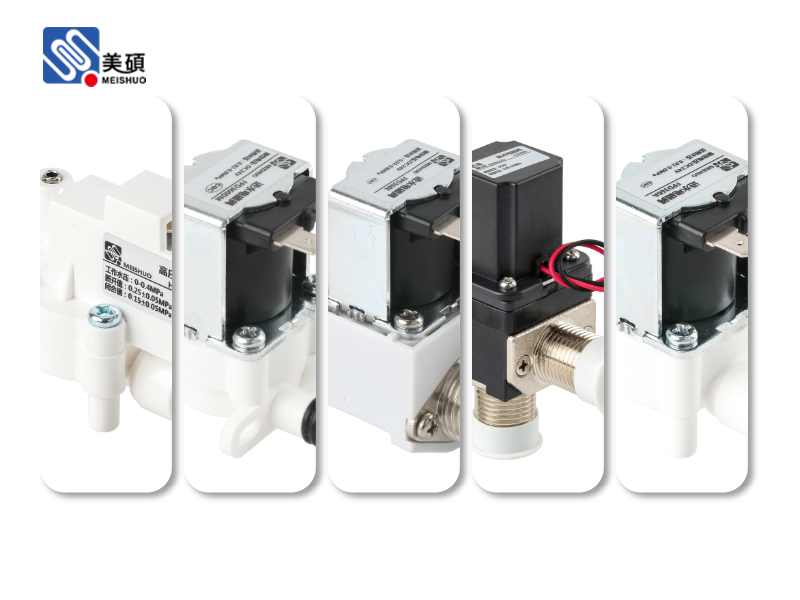
On the other hand, plastic solenoid valves offer unique advantages that make them suitable for specific scenarios. Made from materials like PVC, PTFE, or polypropylene, these valves are lightweight, cost-effective, and highly resistant to certain chemicals that may corrode metal components. They are particularly well-suited for applications involving water treatment, pharmaceutical manufacturing, and agricultural irrigation, where weight reduction and chemical compatibility are key considerations. Plastic valves also tend to have lower friction coefficients, which can improve flow efficiency and reduce energy consumption in some systems.
When comparing stainless steel and plastic solenoid valves, several factors come into play. First, chemical compatibility is a crucial consideration. Stainless steel valves are generally compatible with a wide range of fluids, including acids, bases, and organic solvents, but may not be suitable for certain aggressive chemicals like hydrofluoric acid. Plastic valves, on the other hand, can offer superior resistance to specific chemicals, but their compatibility varies depending on the material used. Engineers must carefully evaluate the fluid properties and select the appropriate valve material to ensure long-term performance.
Another important factor is temperature and pressure tolerance. Stainless steel valves typically have higher temperature and pressure ratings, making them suitable for high-temperature applications such as steam systems or industrial processes involving hot fluids. Plastic valves, while capable of handling moderate temperatures, may degrade or lose structural integrity at elevated temperatures, limiting their use in high-heat environments. Similarly, stainless steel valves can withstand higher pressures, making them ideal for applications requiring precise control under extreme conditions.
Cost is also a significant consideration when choosing between stainless steel and plastic solenoid valves. Plastic valves are generally more affordable upfront, making them an attractive option for budget-conscious projects or applications where the operating conditions are less demanding. However, stainless steel valves often offer lower long-term costs due to their durability and resistance to wear and tear, reducing the need for frequent replacements and maintenance.
In terms of installation and maintenance, both types of valves have their own advantages. Plastic valves are lightweight and easy to handle, simplifying installation and reducing labor costs. They also require less maintenance, as they are less prone to corrosion and scaling. Stainless steel valves, while heavier, are more robust and can withstand harsh handling during installation. Their corrosion resistance also means they require less frequent maintenance, although periodic inspections are still recommended to ensure optimal performance.
In conclusion, the choice between stainless steel and plastic solenoid valves depends on a variety of factors, including the application requirements, fluid properties, temperature and pressure conditions, and budget constraints. Stainless steel valves offer superior durability, high-temperature and high-pressure tolerance, and broad chemical compatibility, making them ideal for heavy-duty industrial applications. Plastic valves, on the other hand, provide cost-effectiveness, lightweight design, and specific chemical resistance, making them suitable for less demanding applications where weight and cost are primary concerns. By carefully evaluating these factors, engineers and system designers can select the right valve material to ensure optimal performance and reliability in their systems.

 Chat Oline