


PP Solenoid Valve, short for Polypropylene Solenoid Valve, has emerged as a crucial component in various industrial and commercial applications. This innovative valve combines the durability of polypropylene material with the precision of solenoid technology, making it a preferred choice for fluid control systems across multiple industries. In this article, we will explore the features, applications, benefits, and future prospects of PP Solenoid Valves.
Polypropylene, a thermoplastic polymer, is known for its excellent chemical resistance, high temperature tolerance, and mechanical strength. When integrated into solenoid valves, these properties make PP Solenoid Valves ideal for handling corrosive fluids, such as acids, alkalis, and solvents. Unlike traditional metal valves, which may corrode or degrade over time when exposed to harsh chemicals, PP Solenoid Valves maintain their structural integrity, ensuring long-term reliability and performance.
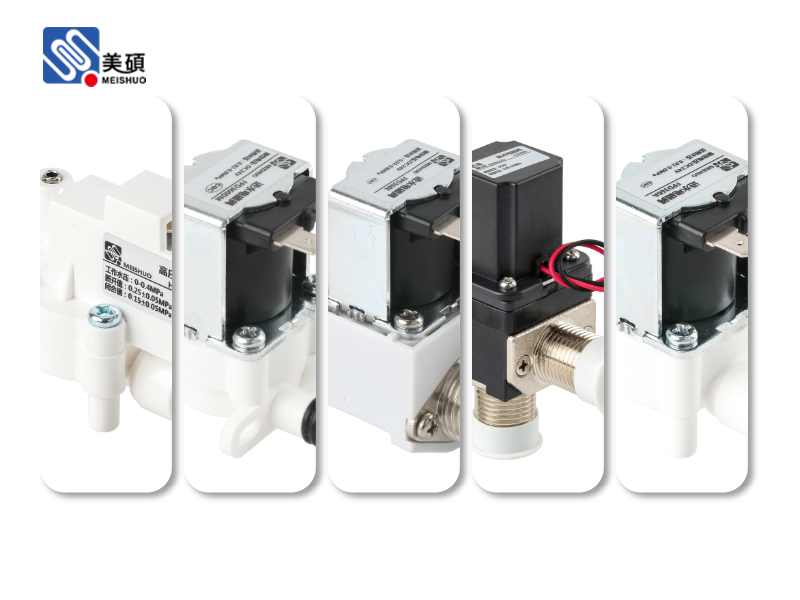
The working principle of a PP Solenoid Valve is based on electromagnetic induction. When an electric current is applied to the solenoid coil, it generates a magnetic field that pulls the plunger, opening or closing the valve. This mechanism allows for quick and precise control of fluid flow, making it suitable for applications requiring rapid response times. The polypropylene body of the valve provides an additional layer of protection against chemical corrosion, further enhancing its durability and lifespan.
PP Solenoid Valves find applications in a wide range of industries, including water treatment, chemical processing, pharmaceuticals, food and beverage, and agriculture. In water treatment plants, these valves are used to control the flow of chemicals for water purification processes. In chemical processing facilities, they handle corrosive substances, ensuring safe and efficient operation. The pharmaceutical industry relies on PP Solenoid Valves for precise dosing of reagents and solvents, while the food and beverage sector uses them for hygienic fluid control in production lines.
One of the key advantages of PP Solenoid Valves is their low maintenance requirements. The polypropylene material is resistant to scaling and fouling, reducing the need for frequent cleaning and maintenance. Additionally, the simple design of the valve minimizes the risk of mechanical failure, resulting in lower operational costs over time. The lightweight nature of polypropylene also makes installation and handling easier, especially in applications where weight is a concern.
Another benefit of PP Solenoid Valves is their environmental friendliness. Polypropylene is a recyclable material, and the valves can be easily disassembled and recycled at the end of their lifespan. This aligns with the growing emphasis on sustainability in modern industries, making PP Solenoid Valves a responsible choice for businesses looking to reduce their environmental footprint.
As technology continues to advance, the future of PP Solenoid Valves looks promising. Manufacturers are constantly improving the design and performance of these valves, incorporating features such as smart control systems, remote monitoring, and energy-efficient operation. These advancements will further enhance the functionality and efficiency of PP Solenoid Valves, making them even more versatile and valuable in various applications.
In conclusion, PP Solenoid Valves are an essential component in modern fluid control systems. Their unique combination of polypropylene material and solenoid technology provides excellent chemical resistance, durability, and precision control. With a wide range of applications across industries, low maintenance requirements, and environmental benefits, PP Solenoid Valves are poised to play an increasingly important role in the future of fluid control. Whether in water treatment, chemical processing, or food production, these valves offer a reliable and efficient solution for managing fluid flow in diverse environments.

 Chat Oline