


A normally open solenoid valve is a type of electromechanical device that controls the flow of fluids or gases in a system. As the name suggests, this valve remains in an open position when no electrical current is applied, allowing fluid to pass through freely. When an electrical signal is received, the valve closes, stopping the flow.
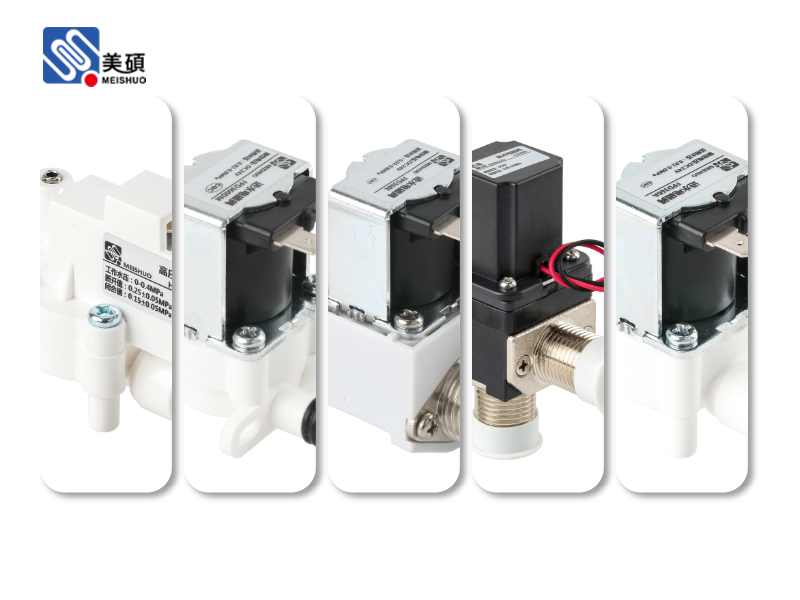
The basic structure of a normally open solenoid valve consists of a coil, a plunger, and a valve seat. When the coil is energized, it creates a magnetic field that pulls the plunger towards the valve seat, sealing the opening and preventing fluid flow. When the power is cut, the magnetic field dissipates, and a spring mechanism returns the plunger to its original position, opening the valve again. This design ensures that the valve defaults to an open state, which is critical in applications where continuous flow is the norm and closure is only required under specific conditions.
One of the key applications of normally open solenoid valves is in safety systems. For example, in fire suppression systems, these valves are used to control the flow of water or fire retardant. In normal operation, the valve remains open, allowing water to flow through the system. If a fire is detected, the system sends an electrical signal to the valve, closing it and redirecting the flow to the affected area. This ensures that the fire is contained quickly and efficiently.
Another common application is in irrigation systems. Normally open solenoid valves are used to control the flow of water to different sections of a field or garden. When the system is not in use, the valve remains open, allowing water to flow through the pipes. When the irrigation schedule is activated, the valve closes, stopping the flow to specific areas. This helps to conserve water and ensure that each section receives the appropriate amount of water.
Normally open solenoid valves also find use in industrial processes. For example, in chemical plants, these valves are used to control the flow of chemicals. In normal operation, the valve is open, allowing chemicals to flow through the system. If a problem is detected, such as a leak or a change in pressure, the valve closes, preventing the chemicals from flowing and causing further damage.
The advantages of normally open solenoid valves include their reliability, ease of use, and cost-effectiveness. These valves are designed to operate in a wide range of conditions, including high temperatures, high pressures, and corrosive environments. They are also easy to install and maintain, making them a popular choice for many applications.
However, it is important to note that normally open solenoid valves have some limitations. For example, they require a continuous power supply to remain closed, which can be a problem in areas with frequent power outages. Additionally, these valves may not be suitable for applications where a high degree of precision is required, as the response time may be slower than other types of valves.
In conclusion, normally open solenoid valves are an essential component in many systems, providing reliable and efficient control of fluid flow. Their unique design and functionality make them ideal for a wide range of applications, from safety systems to industrial processes. By understanding their function, applications, and advantages, engineers and technicians can make informed decisions about when and where to use these valves in their systems.

 Chat Oline