


Filtration system solenoid valves are integral components in industrial fluid management, playing a vital role in maintaining operational efficiency and product quality. These electromechanical devices control the flow of liquids and gases within filtration systems, ensuring precise regulation and protection against contaminants.
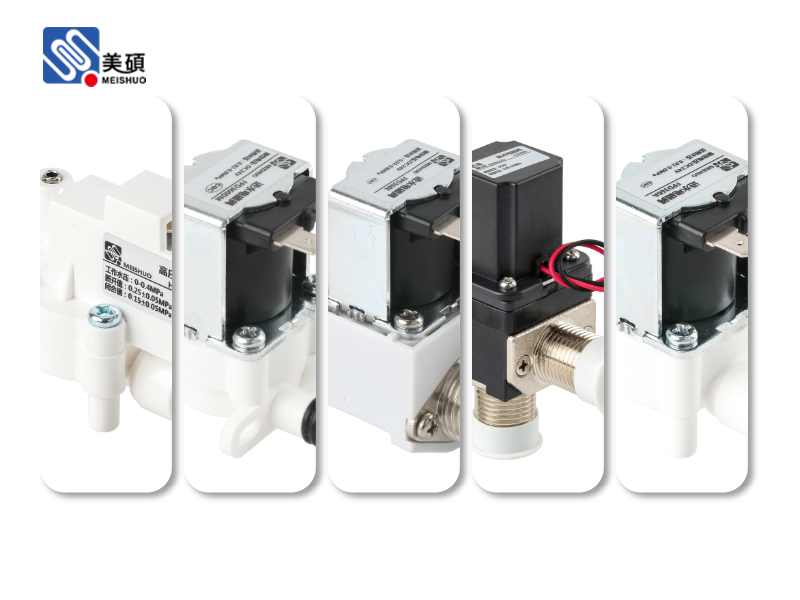
Solenoid valves operate through the interaction of an electromagnetic coil and a movable core. When energized, the coil creates a magnetic field that pulls the core, opening or closing the valve. This mechanism allows for rapid response times, making solenoid valves ideal for applications requiring quick flow adjustments. In filtration systems, this capability ensures timely activation of cleaning cycles, preventing filter clogging and maintaining consistent performance.
The design features of filtration system solenoid valves vary based on application requirements. Key considerations include flow rate, pressure rating, material compatibility, and environmental conditions. For example, valves used in water treatment systems must resist corrosion, while those in food processing need to meet hygiene standards. Advances in materials science have led to the development of valves with enhanced durability and resistance to harsh chemicals, expanding their applicability across industries.
Integration with automation systems is another critical aspect of modern filtration solenoid valves. Many models now feature digital interfaces, allowing for remote monitoring and control. This connectivity enables predictive maintenance, reducing downtime and optimizing operational costs. Additionally, smart solenoid valves can collect data on performance metrics, providing valuable insights for process optimization.
Proper maintenance is essential to ensure the longevity and reliability of filtration system solenoid valves. Regular inspections help identify potential issues such as seal degradation or coil failure. Cleaning and lubrication of moving parts prevent wear and tear, while timely replacement of worn components ensures consistent performance. Training staff on maintenance best practices further enhances system reliability.
In conclusion, filtration system solenoid valves are indispensable in modern industrial operations. Their ability to provide precise flow control, integrate with automation systems, and withstand harsh conditions makes them a cornerstone of efficient filtration processes. As industries continue to evolve, ongoing innovations in solenoid valve technology will further enhance their performance and expand their applications, ensuring they remain a critical component in maintaining operational excellence.

 Chat Oline