


In the realm of fluid control systems, precision and reliability are paramount. Low flow solenoid valves stand as essential components in various industries, providing accurate regulation of small fluid volumes with remarkable efficiency. These specialized valves are designed to handle flow rates typically ranging from a few milliliters per minute to a few liters per minute, making them ideal for applications where precise fluid management is critical.
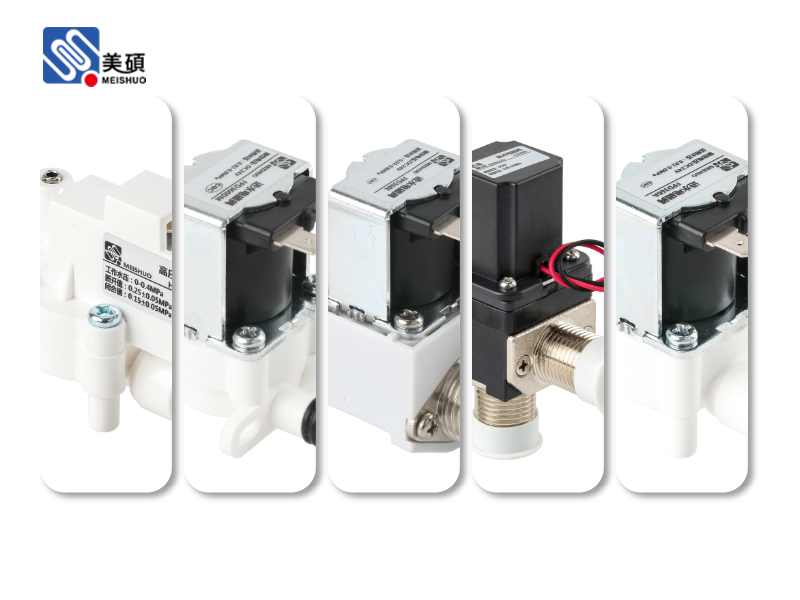
Low flow solenoid valves operate on the principle of electromagnetic actuation, where an electric current activates a coil to move a plunger or diaphragm, opening or closing the valve. Unlike their high-flow counterparts, these valves are engineered with smaller orifices and more sensitive components to maintain control over minimal fluid volumes. This precision is particularly valuable in industries such as medical devices, analytical instruments, and chemical processing, where even minor deviations in flow can lead to significant consequences.
One of the key advantages of low flow solenoid valves is their ability to provide consistent and repeatable performance. The design incorporates tight tolerances and high-quality materials to ensure minimal leakage and reliable operation over extended periods. This reliability is crucial in applications like drug delivery systems, where precise dosages are essential for patient safety, or in laboratory equipment where accurate sample analysis depends on consistent fluid flow.
Another important feature is their rapid response time. Low flow solenoid valves can open and close in milliseconds, allowing for precise timing and control in dynamic systems. This quick actuation is particularly beneficial in applications requiring frequent on-off cycles, such as in automated dispensing systems or in the control of chemical reactions where timing is critical.
The construction of low flow solenoid valves often involves materials like stainless steel, PTFE, or other corrosion-resistant alloys to ensure compatibility with a wide range of fluids, including aggressive chemicals and high-purity liquids. This versatility makes them suitable for use in industries such as pharmaceuticals, food and beverage, and semiconductor manufacturing, where fluid compatibility and purity are of utmost importance.
When selecting a low flow solenoid valve, several factors must be considered. The type of fluid (liquid or gas), operating pressure, temperature range, and required flow rate are all critical parameters. Additionally, the valve's voltage requirements, response time, and environmental conditions (such as exposure to moisture or vibration) must be taken into account to ensure optimal performance.
In recent years, advancements in technology have led to the development of more efficient and compact low flow solenoid valves. Miniaturization has allowed for integration into smaller devices, expanding their application in portable medical equipment and microfluidic systems. Furthermore, the integration of smart features, such as feedback sensors and digital control interfaces, has enhanced their functionality, enabling real-time monitoring and adjustment of flow rates.
Despite their small size, low flow solenoid valves play a vital role in ensuring the efficiency and safety of numerous industrial processes. From controlling the flow of reagents in a laboratory to regulating fuel injection in automotive systems, these valves are integral to modern technology. Their ability to provide precise, reliable, and rapid control makes them indispensable in applications where accuracy is non-negotiable.
In conclusion, low flow solenoid valves represent a critical component in fluid control systems, offering precision, reliability, and versatility across a wide range of industries. As technology continues to advance, these valves will likely become even more sophisticated, enabling new applications and improving the efficiency of existing systems. Whether in medical devices, analytical instruments, or industrial processes, low flow solenoid valves are essential for maintaining the precision and control required in today's complex world.

 Chat Oline