


PVC solenoid valves are essential components in fluid control systems, offering reliable and efficient regulation of liquid and gas flow in various industrial and commercial applications. These valves combine the corrosion-resistant properties of polyvinyl chloride (PVC) with the precise control capabilities of solenoid technology, making them a versatile solution for diverse environments.
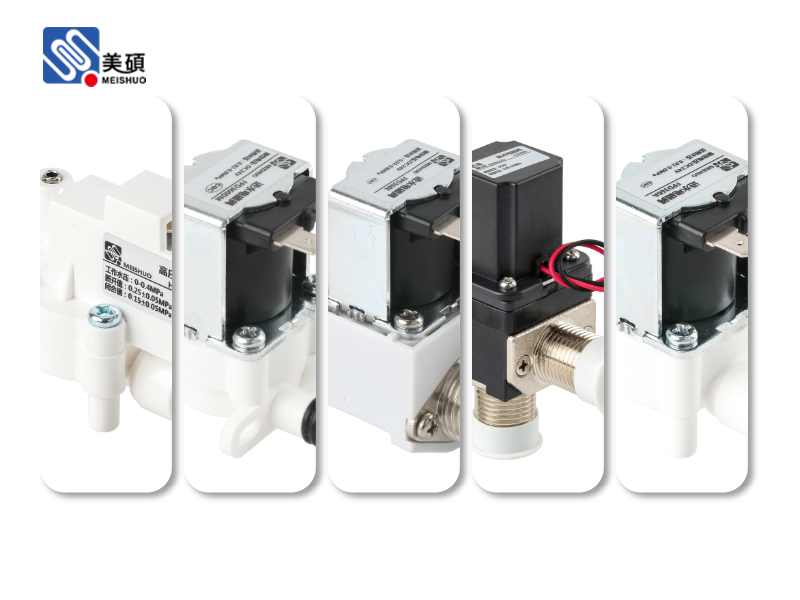
At their core, a PVC solenoid valve consists of a PVC body, a solenoid coil, and a plunger mechanism. The PVC construction provides excellent resistance to chemicals, acids, and alkalis, making these valves ideal for handling corrosive fluids that would damage metal valves. The solenoid coil, when energized, creates a magnetic field that lifts the plunger, allowing fluid to flow through the valve. When the coil is de-energized, a spring returns the plunger to its original position, closing the valve and stopping the flow.
One of the key advantages of PVC solenoid valves is their versatility. They are widely used in water treatment plants, where they control the flow of chemicals like chlorine and fluoride. In agricultural settings, these valves regulate irrigation systems, ensuring precise water distribution to crops. The food and beverage industry also relies on PVC solenoid valves for handling drinking water, juices, and other liquid products, thanks to their non-toxic nature and ease of cleaning.
Another significant benefit is their cost-effectiveness. PVC is a relatively inexpensive material compared to stainless steel or brass, making these valves a budget-friendly option for many applications. Additionally, their lightweight design simplifies installation and reduces transportation costs. Maintenance is also straightforward, as PVC valves are less prone to rust and scale buildup, requiring minimal upkeep over their lifespan.
When selecting a PVC solenoid valve, several factors should be considered. The valve size must match the pipe diameter to ensure proper flow rates. Pressure ratings are also critical, as different applications require valves that can handle specific pressure levels. The type of fluid being controlled—whether it's water, chemicals, or gases—will determine the appropriate valve material and design. Furthermore, the operating voltage of the solenoid coil should align with the available power supply to ensure reliable performance.
In recent years, advancements in solenoid valve technology have led to improved efficiency and durability. Modern PVC solenoid valves often feature low-power consumption coils, reducing energy costs and environmental impact. Some models also incorporate fail-safe mechanisms, such as spring returns or manual overrides, to ensure safe operation in case of power outages or system failures.
Despite their many advantages, PVC solenoid valves have some limitations. They are not suitable for high-temperature applications, as PVC can soften or melt at elevated temperatures. Additionally, they may not be ideal for high-pressure systems, as the PVC material has lower pressure ratings compared to metal valves. It's important to consult the manufacturer's specifications to ensure the valve is appropriate for the intended application.
In conclusion, PVC solenoid valves are a reliable and cost-effective solution for fluid control in a wide range of industries. Their corrosion resistance, versatility, and ease of maintenance make them a popular choice for applications involving water, chemicals, and other fluids. By understanding their functionality and selecting the right valve for the job, businesses can optimize their fluid control systems and improve overall operational efficiency. As technology continues to advance, we can expect further innovations in PVC solenoid valve design, expanding their capabilities and applications in the future.

 Chat Oline