


Polypropylene (PP) solenoid valves have emerged as a critical component in modern fluid control systems, offering a unique combination of chemical resistance, durability, and cost-effectiveness. As industries increasingly demand reliable solutions for handling aggressive fluids, understanding the capabilities and applications of PP solenoid valves becomes essential for engineers, technicians, and system designers.
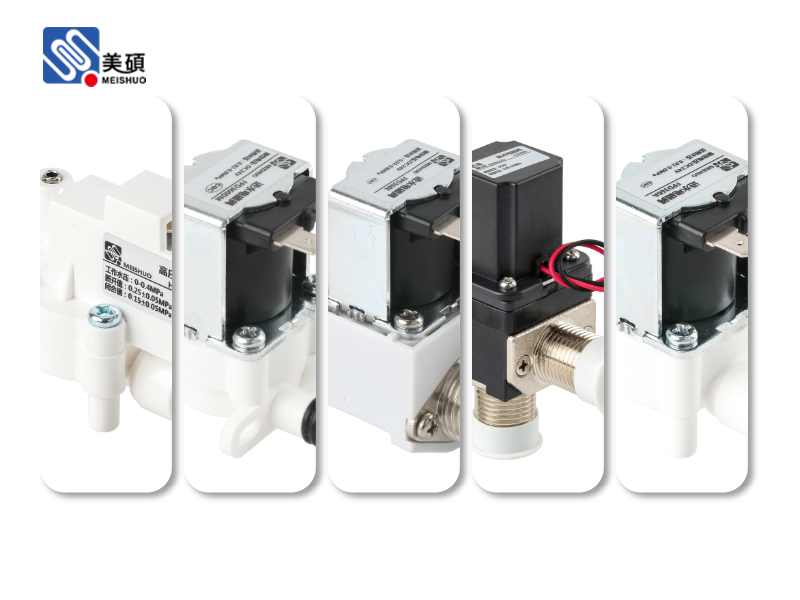
At its core, a PP solenoid valve operates on the same fundamental principle as other solenoid valves: an electromagnetic coil generates a magnetic field when energized, which moves a plunger to open or close the valve. What sets PP solenoid valves apart is their construction material—polypropylene, a thermoplastic polymer renowned for its exceptional resistance to a wide range of chemicals, including acids, alkalis, and organic solvents. This chemical inertness makes PP solenoid valves particularly suitable for applications where fluid compatibility is a primary concern.
One of the most significant advantages of PP solenoid valves is their corrosion resistance. Unlike metal valves, which can suffer from rust, pitting, or chemical degradation when exposed to aggressive substances, PP valves maintain their structural integrity even in harsh environments. This makes them ideal for use in chemical processing plants, water treatment facilities, and pharmaceutical manufacturing, where corrosive fluids are frequently handled. Additionally, PP's non-reactive nature ensures that it does not contaminate the fluids it controls, a critical factor in industries requiring high purity standards.
Another key benefit of PP solenoid valves is their lightweight construction. Polypropylene is significantly lighter than metal, making these valves easier to handle, install, and maintain. This weight advantage is particularly valuable in applications where space is limited or where weight reduction is a priority, such as in portable equipment or aerospace systems. Furthermore, PP's low thermal conductivity helps to reduce heat transfer, which can be beneficial in applications involving temperature-sensitive fluids.
When considering the technical aspects of PP solenoid valves, several factors must be taken into account. Pressure rating is a crucial consideration, as PP valves typically have lower pressure limits compared to metal valves. Most PP solenoid valves are designed for low to medium pressure applications, usually up to 10 bar (145 psi), although some specialized models can handle higher pressures. Temperature resistance is another important factor; while PP can withstand temperatures up to around 100°C (212°F), prolonged exposure to higher temperatures may cause deformation or degradation.
Flow rate is also a critical parameter to evaluate. PP solenoid valves are available in various sizes, from small 1/8-inch models to larger 2-inch valves, each designed to handle specific flow rates. The choice of valve size depends on the required flow capacity, as well as the pressure and temperature conditions of the application. Additionally, the type of valve (e.g., normally closed, normally open, or universal) should be selected based on the specific operational requirements, such as whether the valve needs to remain closed or open when de-energized.
Maintenance and durability are important considerations for any fluid control component. PP solenoid valves are generally low-maintenance, as their non-corrosive material reduces the risk of internal buildup or blockages. However, regular inspection is still recommended to ensure proper operation, particularly in applications involving abrasive fluids or particulate matter. The lifespan of a PP solenoid valve can vary depending on usage conditions, but with proper care, these valves can provide reliable service for many years.
In conclusion, PP solenoid valves offer a versatile and cost-effective solution for fluid control in a wide range of industries. Their chemical resistance, lightweight construction, and durability make them an attractive choice for applications where traditional metal valves may fail. By understanding the technical specifications, advantages, and limitations of PP solenoid valves, engineers and system designers can make informed decisions to select the right valve for their specific needs. As technology continues to advance, it is likely that PP solenoid valves will play an increasingly important role in the development of innovative fluid control systems.

 Chat Oline