


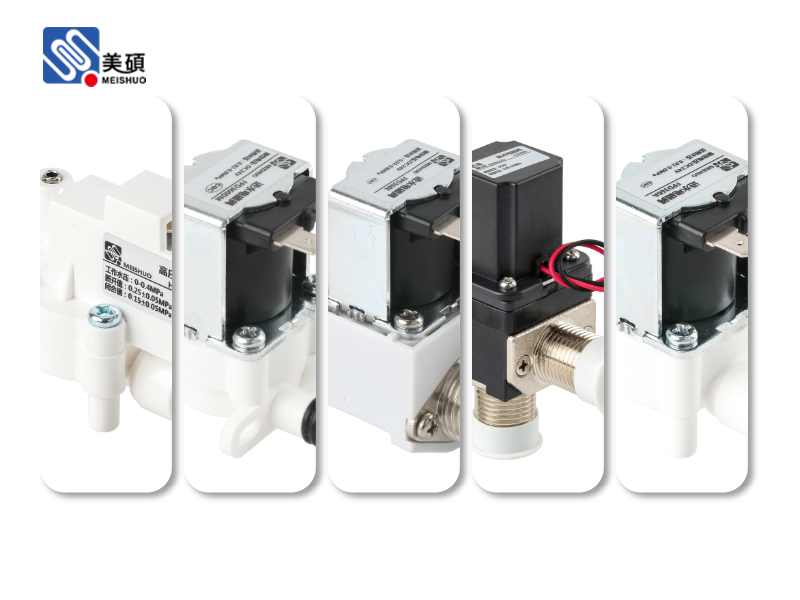
Mini solenoid valves may be small in size, but they play a crucial role in a wide range of industries and applications. These compact devices are engineered to control the flow of liquids or gases with precision, making them essential components in everything from medical equipment to industrial automation systems.
At their core, mini solenoid valves operate on a simple principle: an electromagnetic coil generates a magnetic field when energized, which moves a plunger or armature to open or close the valve. This mechanism allows for rapid response times, typically measured in milliseconds, making them ideal for applications requiring quick and precise flow control. The compact design of these valves means they can be integrated into tight spaces where larger valves would be impractical.
One of the key advantages of mini solenoid valves is their versatility. They are available in various configurations, including 2-way, 3-way, and 4-way designs, each suited for specific applications. 2-way valves are commonly used for on/off control, while 3-way and 4-way valves enable more complex flow direction changes. Additionally, these valves can handle a wide range of media, from water and air to oils and corrosive chemicals, depending on the materials used in their construction.
In the medical field, mini solenoid valves are integral to devices such as infusion pumps, diagnostic equipment, and respiratory machines. Their precise control allows for accurate delivery of medications and fluids, while their compact size ensures they can be incorporated into portable and wearable medical devices. Similarly, in the automotive industry, these valves are used in fuel systems, emission control systems, and transmission systems, where their reliability and quick response are critical for optimal performance.
Industrial automation is another area where mini solenoid valves excel. They are used in pneumatic and hydraulic systems to control the flow of compressed air or hydraulic fluids, enabling precise movement of machinery and equipment. Their ability to operate in harsh environments, including high temperatures and pressures, makes them suitable for use in manufacturing plants, food processing facilities, and other industrial settings.
When selecting a mini solenoid valve, several factors must be considered. The type of media being controlled, operating pressure and temperature ranges, flow rate requirements, and voltage specifications are all important considerations. Additionally, the valve's material construction, such as brass, stainless steel, or plastic, will determine its compatibility with different media and environments.
Maintenance and reliability are also key considerations. Mini solenoid valves are designed for long-term use, but regular maintenance, such as cleaning and lubrication, can extend their lifespan. Some valves are also equipped with features like manual override or position indicators, which enhance their functionality and ease of use.
In conclusion, mini solenoid valves are essential components in modern fluid control systems. Their compact size, rapid response, and versatility make them suitable for a wide range of applications across various industries. As technology continues to advance, these valves will likely play an even more significant role in enabling precise and efficient fluid control in the future.

 Chat Oline