


In the rapidly evolving landscape of industrial and consumer technology, the demand for safer, more environmentally friendly solutions has never been greater. One component that has emerged as a critical player in this movement is the non-toxic solenoid valve. These innovative devices are revolutionizing fluid control systems across various industries, offering a host of benefits that traditional valves simply cannot match.
Non-toxic solenoid valves are designed to prevent the leaching of harmful substances into the fluids they control. Unlike conventional valves that may contain lead, mercury, or other toxic materials in their construction, these valves utilize materials that are certified safe for contact with food, water, and other sensitive substances. This makes them ideal for applications where safety and purity are of utmost importance, such as in the food and beverage industry, pharmaceutical manufacturing, and water treatment facilities.
The key to the non-toxic nature of these valves lies in their material composition. Many non-toxic solenoid valves are constructed using stainless steel, PTFE (polytetrafluoroethylene), and other food-grade plastics that are resistant to corrosion and chemical reactions. These materials not only prevent contamination but also ensure the longevity and reliability of the valve, even in harsh operating conditions.
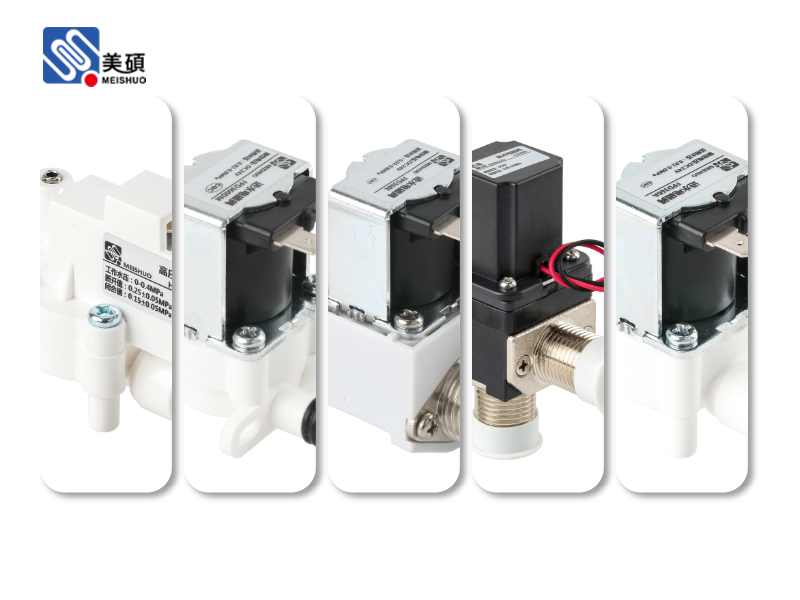
Another significant advantage of non-toxic solenoid valves is their precision and efficiency. These valves are controlled by an electromagnetic coil that opens or closes the valve mechanism in response to an electrical signal. This allows for rapid and accurate control of fluid flow, making them ideal for applications that require precise dosing or flow regulation. Whether it's dispensing ingredients in a food processing plant or controlling the flow of chemicals in a laboratory, non-toxic solenoid valves provide the accuracy and consistency needed to ensure product quality and safety.
In addition to their safety and performance benefits, non-toxic solenoid valves also contribute to environmental sustainability. By preventing the release of toxic substances into the environment, these valves help reduce pollution and minimize the ecological impact of industrial operations. Furthermore, their energy-efficient design reduces power consumption, making them a cost-effective choice for businesses looking to reduce their carbon footprint.
The adoption of non-toxic solenoid valves is also being driven by increasingly stringent regulatory standards. Governments around the world are implementing stricter guidelines for the use of materials in contact with food and water, and non-toxic solenoid valves are emerging as the preferred solution for companies looking to comply with these regulations. By investing in non-toxic technology, businesses can not only meet regulatory requirements but also enhance their reputation as responsible and environmentally conscious organizations.
Looking ahead, the future of non-toxic solenoid valves appears bright. As technology continues to advance, we can expect to see even more innovative designs and materials that further enhance the safety and performance of these valves. From miniaturized valves for portable medical devices to high-flow valves for industrial applications, the versatility of non-toxic solenoid valves is sure to expand, opening up new possibilities for fluid control in a wide range of industries.
In conclusion, non-toxic solenoid valves represent a significant step forward in the quest for safer, more sustainable fluid control solutions. Their ability to prevent contamination, ensure precision, and comply with regulatory standards makes them an essential component in modern industrial and consumer applications. As businesses and consumers alike become more aware of the importance of safety and environmental responsibility, the demand for non-toxic solenoid valves is only expected to grow, solidifying their position as a cornerstone of the fluid control industry.

 Chat Oline