


In the complex ecosystem of water treatment systems, solenoid valves stand as unsung heroes, quietly orchestrating the flow and quality of water in residential, commercial, and industrial settings. These electromechanical devices, often overlooked, play a pivotal role in ensuring efficient water treatment processes, from filtration to disinfection, and are integral to maintaining the safety and reliability of our water supply.
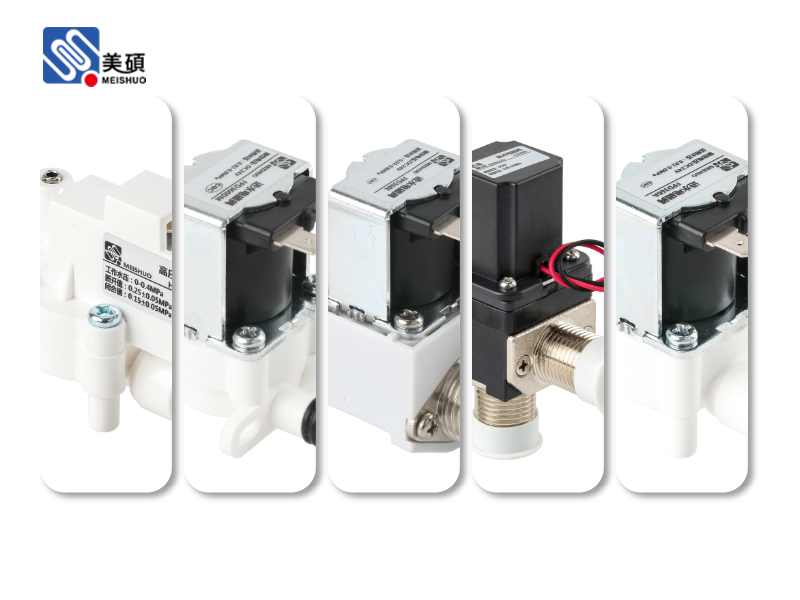
Solenoid valves operate on a simple yet ingenious principle: an electrical current activates a coil, creating a magnetic field that moves a plunger, which in turn opens or closes the valve. This mechanism allows for precise control over water flow, pressure, and direction, making them indispensable in water treatment applications. Unlike manual valves, solenoid valves can be automated, enabling remote operation, scheduled maintenance, and real-time adjustments, which are crucial in large-scale water treatment facilities.
One of the primary functions of solenoid valves in water treatment systems is to regulate the flow of water through various treatment stages. For example, in a reverse osmosis (RO) system, solenoid valves control the inlet water flow, the rejection of concentrate, and the collection of purified water. Their ability to open and close quickly ensures that the system operates at optimal efficiency, minimizing water waste and energy consumption. In addition, solenoid valves are used in backwashing processes, where they flush out accumulated contaminants from filters, ensuring that the filtration system remains effective over time.
Another key application of solenoid valves is in disinfection systems, such as those using chlorine or ultraviolet (UV) light. Solenoid valves can be programmed to release precise amounts of disinfectants at specific intervals, ensuring that the water meets regulatory standards for microbial safety. This level of control is particularly important in municipal water treatment plants, where large volumes of water must be treated consistently to protect public health.
The durability and reliability of solenoid valves are also critical in water treatment environments. These valves are often exposed to harsh conditions, including high pressure, corrosive chemicals, and varying temperatures. Manufacturers design solenoid valves with materials such as stainless steel, brass, and reinforced plastics to withstand these challenges, ensuring long-term performance with minimal maintenance. Additionally, many solenoid valves are equipped with fail-safe mechanisms, such as spring returns, which automatically close the valve in the event of a power outage, preventing water leaks and system damage.
In recent years, the integration of solenoid valves with smart technology has revolutionized water treatment systems. IoT-enabled solenoid valves can communicate with control systems, providing real-time data on flow rates, pressure levels, and valve status. This data allows operators to monitor the system remotely, identify potential issues before they escalate, and optimize performance. For example, if a solenoid valve detects a drop in water pressure, it can send an alert to the control center, prompting immediate action to prevent system failure.
Despite their importance, solenoid valves are often taken for granted, with many users only realizing their significance when a valve malfunctions. Common issues include clogging from debris, coil burnout due to voltage fluctuations, and seal degradation from chemical exposure. Regular maintenance, such as cleaning the valve body, checking electrical connections, and replacing worn parts, is essential to ensure the valves operate reliably. Additionally, choosing the right solenoid valve for a specific application—considering factors such as flow rate, pressure range, and compatibility with the water treatment chemicals—is crucial to avoid performance issues.
In conclusion, solenoid valves are the backbone of modern water treatment systems, enabling precise control, automation, and reliability. Their ability to regulate water flow, facilitate disinfection, and integrate with smart technology makes them essential for ensuring the safety and efficiency of our water supply. As water treatment technology continues to evolve, solenoid valves will remain a critical component, adapting to new challenges and contributing to sustainable water management practices. Whether in a small residential RO system or a large municipal treatment plant, these valves play a vital role in safeguarding one of our most precious resources: clean water.

 Chat Oline