


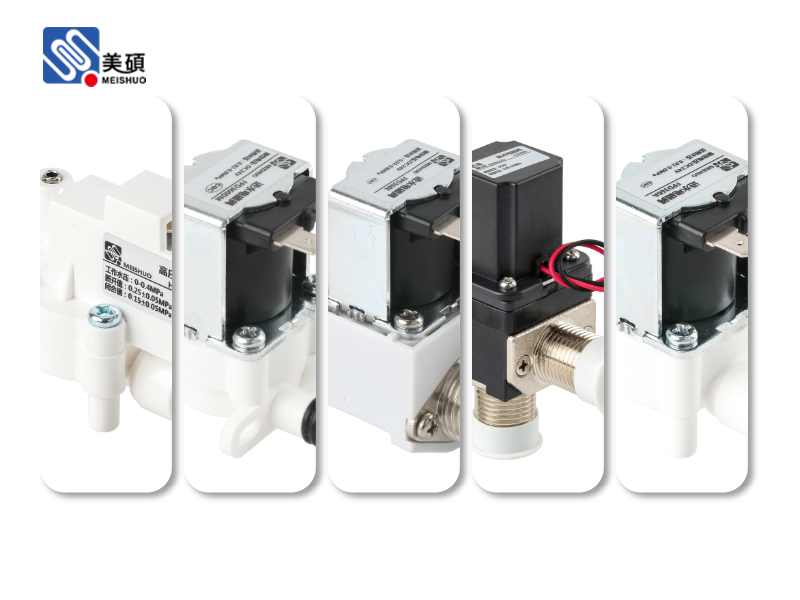
PVC solenoid valves have become an indispensable part of modern industrial systems, offering reliable and efficient fluid control solutions across various sectors. These specialized valves combine the durability and corrosion resistance of PVC with the precision control of solenoid technology, making them ideal for a wide range of applications.
PVC, or polyvinyl chloride, is a synthetic polymer known for its excellent chemical resistance, low cost, and versatility. When combined with solenoid technology, it creates a valve that can handle a variety of liquids and gases while maintaining precise control over flow rates and pressure levels.
One of the key advantages of PVC solenoid valves is their resistance to corrosion. Unlike metal valves, which can rust or corrode when exposed to harsh chemicals or acidic environments, PVC valves maintain their integrity even in challenging conditions. This makes them particularly valuable in industries such as water treatment, chemical processing, and pharmaceuticals, where corrosive substances are common.
The operation of a PVC solenoid valve is based on electromagnetic principles. When an electric current is applied to the solenoid coil, it creates a magnetic field that moves a plunger within the valve body. This movement opens or closes the valve, allowing or restricting the flow of fluid. The response time is typically rapid, enabling precise control over fluid flow in real-time.
PVC solenoid valves are available in various configurations to suit different applications. Direct-acting valves are simple and reliable, suitable for low-pressure systems, while pilot-operated valves use the pressure of the fluid itself to assist in opening and closing, making them ideal for higher-pressure applications. The choice between these types depends on the specific requirements of the system, including pressure levels, flow rates, and the type of fluid being controlled.
In the water treatment industry, PVC solenoid valves play a critical role in controlling the flow of water and various chemicals used in purification processes. Their corrosion resistance ensures they can handle the harsh chemicals used in treatment without degrading over time. Similarly, in the agricultural sector, these valves are used in irrigation systems to control water flow to crops, ensuring efficient water usage.
Another important application is in the food and beverage industry, where PVC solenoid valves are used to control the flow of ingredients and cleaning solutions. The non-toxic nature of PVC makes it suitable for contact with food products, and its smooth surface prevents the accumulation of contaminants, ensuring compliance with hygiene standards.
Maintenance of PVC solenoid valves is relatively straightforward. Regular inspection of the valve body, seals, and solenoid coil can help identify potential issues before they escalate. Cleaning the valve periodically and replacing worn seals ensures optimal performance and extends the lifespan of the valve.
As industries continue to evolve and demand more efficient fluid control systems, the importance of PVC solenoid valves is likely to grow. Their combination of durability, corrosion resistance, and precise control makes them an essential component in a wide range of applications. Whether in industrial processes, water treatment, or agricultural systems, PVC solenoid valves provide reliable and efficient solutions for fluid control challenges.
In conclusion, PVC solenoid valves represent a significant advancement in fluid control technology. Their unique combination of PVC's material properties and solenoid-driven operation makes them versatile, reliable, and cost-effective. As industries increasingly prioritize efficiency and sustainability, these valves will continue to play a crucial role in optimizing fluid control systems across various sectors.

 Chat Oline