


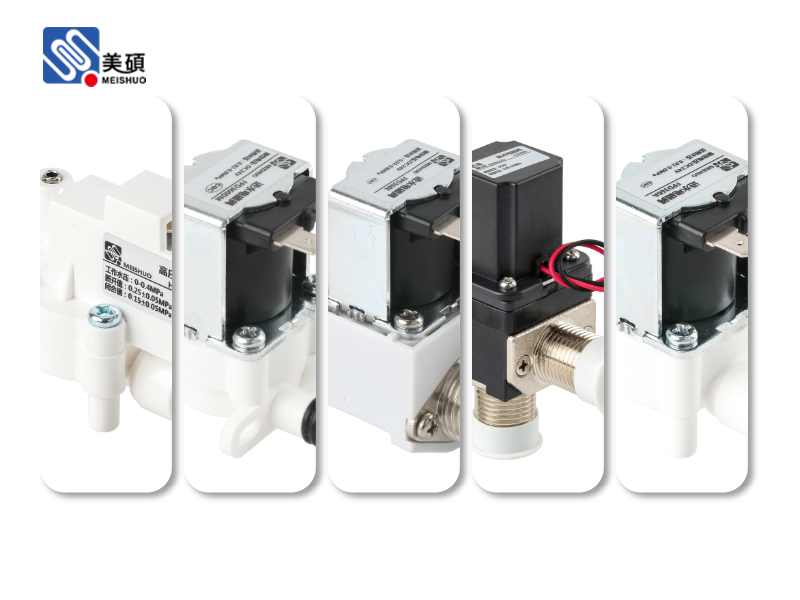
A normally open solenoid valve is a type of electromechanical device that allows fluid or gas flow through its valve body when no electrical current is applied. This fundamental characteristic distinguishes it from normally closed solenoid valves, which block flow in their de-energized state. The design features a spring mechanism that keeps the valve open when not powered, while an electromagnetic coil, when energized, creates a magnetic field that overcomes the spring force to close the valve.
The working principle of a normally open solenoid valve involves several key components: the valve body, solenoid coil, armature, and spring. When no voltage is applied to the coil, the spring maintains the valve in an open position, allowing media to flow freely through the valve's orifice. When an electric current passes through the coil, it generates a magnetic field that attracts the armature, which in turn compresses the spring and causes the valve to close, halting the flow. This operation can be reversed by discontinuing the electrical current, allowing the spring to return the valve to its open state.
One of the primary advantages of normally open solenoid valves is their fail-safe operation. In applications where safety is critical, such as fire suppression systems or emergency shutdown mechanisms, these valves ensure that flow is maintained in the event of a power failure. For example, in a fire sprinkler system, a normally open solenoid valve would remain open during normal operation, allowing water to flow when activated by a fire alarm. If power is lost, the valve stays open, ensuring that water can still reach the sprinkler heads in case of an emergency.
Another significant benefit is their energy efficiency. Since the valve remains open without the need for continuous electrical power, it consumes energy only when closed. This is particularly advantageous in applications where the valve is in the open position for extended periods, reducing overall energy usage and operational costs.
Normally open solenoid valves find applications across various industries. In the water treatment sector, they are used to control the flow of chemicals, ensuring precise dosing and preventing overflows. In HVAC systems, these valves regulate the flow of refrigerants or hot water, maintaining optimal temperature control. They are also employed in medical devices, such as anesthesia machines, where maintaining a consistent flow of gases is critical for patient safety.
When selecting a normally open solenoid valve, several factors should be considered. The type of fluid or gas being controlled, operating pressure and temperature, flow rate requirements, and the valve's response time are all important considerations. Additionally, the material of the valve body and seals must be compatible with the media to prevent corrosion or contamination.
In conclusion, normally open solenoid valves play a vital role in numerous industrial and commercial applications, offering reliable flow control with fail-safe operation and energy efficiency. Their unique design, which keeps the valve open when de-energized, makes them an ideal choice for situations where maintaining flow during power outages is essential. As technology continues to advance, these valves are likely to become even more sophisticated, providing enhanced performance and versatility for a wide range of applications.

 Chat Oline