


A normally closed (NC) solenoid valve is a type of electromechanical device that remains in a closed position when not energized, only opening when an electrical current is applied. This fundamental characteristic makes it an essential component in various industrial, commercial, and residential systems where safety, precision, and reliability are paramount.
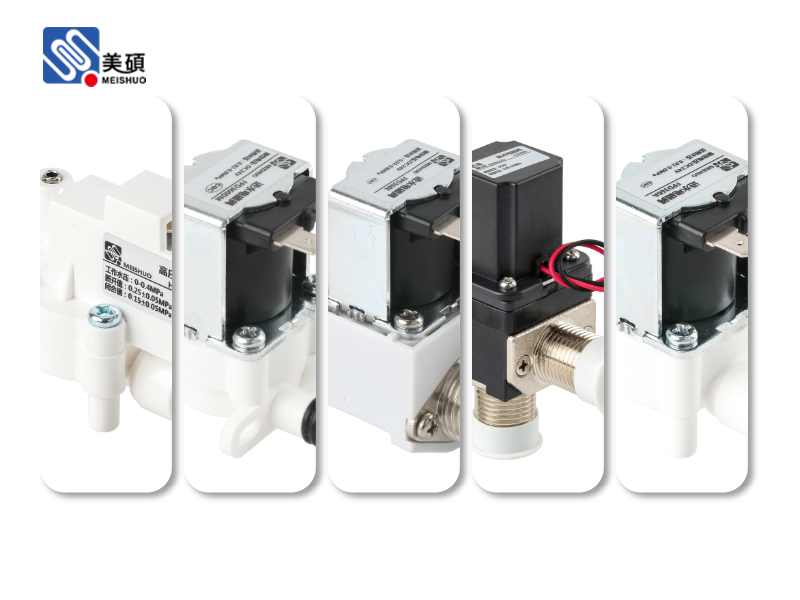
At its core, an NC solenoid valve consists of a coil, a plunger, a spring, and a valve seat. When no current flows through the coil, the spring force keeps the plunger pressed against the valve seat, blocking the flow of fluid. When an electrical signal is applied, the coil generates a magnetic field that overcomes the spring force, lifting the plunger and allowing fluid to pass through. This simple yet effective mechanism ensures that the valve defaults to a closed state, providing a fail-safe operation in critical applications.
The versatility of NC solenoid valves is evident in their wide range of applications. In the automotive industry, they are used in fuel injection systems to control the flow of gasoline or diesel, ensuring precise fuel delivery for optimal engine performance. In HVAC systems, NC valves regulate the flow of refrigerant, water, or air, maintaining comfortable indoor temperatures while conserving energy. They also play a crucial role in medical equipment, such as dialysis machines and anesthesia systems, where precise fluid control is a matter of patient safety.
One of the key advantages of NC solenoid valves is their fail-safe operation. In the event of a power failure or electrical malfunction, the valve automatically closes, preventing unintended fluid flow. This feature is particularly important in applications where fluid leakage could lead to environmental damage, equipment failure, or safety hazards. For example, in chemical processing plants, NC valves are used to shut off the flow of hazardous materials in case of an emergency, minimizing the risk of spills and accidents.
Another benefit of NC solenoid valves is their fast response time. The electromagnetic actuation allows for rapid opening and closing, making them ideal for applications that require precise and immediate control. In industrial automation systems, NC valves are used in pneumatic and hydraulic circuits to control the movement of actuators, ensuring efficient and accurate operation of machinery. Their quick response also makes them suitable for use in irrigation systems, where they can be programmed to open and close at specific times to optimize water usage.
NC solenoid valves are available in a variety of materials, sizes, and configurations to suit different applications. Common materials include brass, stainless steel, and plastic, each offering unique properties such as corrosion resistance, durability, and cost-effectiveness. The choice of material depends on the type of fluid being controlled, the operating pressure and temperature, and the environmental conditions. For example, stainless steel valves are often used in food and beverage processing to meet strict hygiene standards, while plastic valves are suitable for low-pressure applications with non-corrosive fluids.
Proper maintenance is essential to ensure the long-term performance of NC solenoid valves. Regular inspection and cleaning can prevent the buildup of debris or contaminants that may affect the valve's operation. It is also important to check the electrical connections and coil for signs of wear or damage, as these can lead to valve failure. In addition, selecting the right valve for the application, considering factors such as flow rate, pressure, and fluid compatibility, is crucial to ensure optimal performance and reliability.
In conclusion, normally closed solenoid valves are a vital component in modern engineering and technology. Their fail-safe operation, fast response time, and versatility make them indispensable in a wide range of applications, from industrial automation to medical devices. By understanding their principles, applications, and advantages, engineers and technicians can make informed decisions when selecting and using NC solenoid valves, ensuring the safety, efficiency, and reliability of their systems. As technology continues to advance, we can expect to see further innovations in solenoid valve design, expanding their capabilities and applications in the years to come.

 Chat Oline