


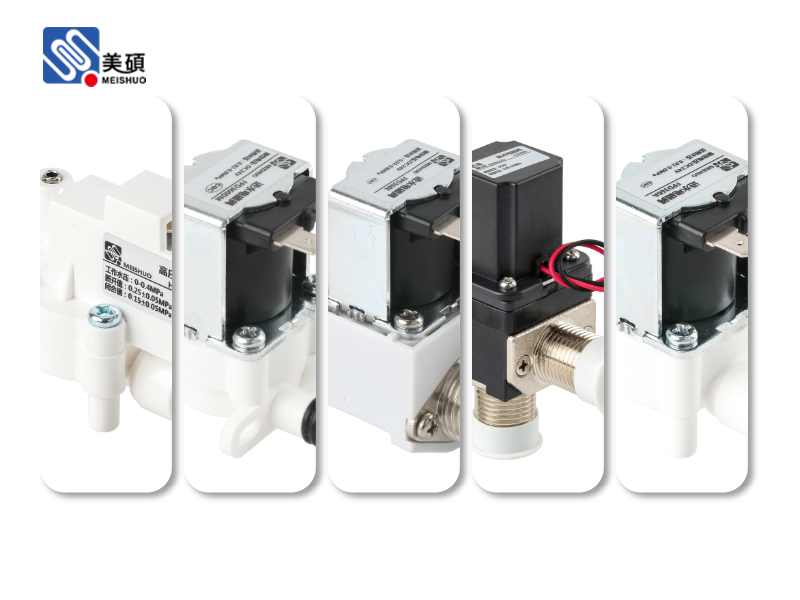
Plastic valves have emerged as a game-changer in water system management, offering a range of benefits that make them an increasingly popular choice for residential, commercial, and industrial applications. These valves, made from various polymer materials such as PVC, CPVC, PPR, and ABS, have revolutionized the way we control and distribute water in modern infrastructure.
One of the most significant advantages of plastic valves is their exceptional corrosion resistance. Unlike metal valves, which can rust and degrade over time when exposed to water, plastic valves remain unaffected by water's corrosive properties. This resistance ensures a longer lifespan, reducing the need for frequent replacements and maintenance. In environments with hard water or high mineral content, plastic valves maintain their structural integrity, providing reliable performance for years.
Cost-effectiveness is another key benefit of plastic valves. The manufacturing process for plastic valves is more efficient compared to metal valves, resulting in lower production costs. This cost advantage is passed on to consumers, making plastic valves a more affordable option for both small-scale residential projects and large industrial installations. Additionally, their lightweight nature reduces transportation costs and simplifies installation, further contributing to overall project savings.
Plastic valves also offer superior chemical resistance, making them suitable for a wide range of water treatment applications. They can handle various chemicals used in water purification processes, including chlorine, fluoride, and other disinfectants, without degrading or leaching harmful substances into the water supply. This chemical stability is particularly important in drinking water systems, where maintaining water quality is of utmost importance.
The versatility of plastic valves is evident in their wide range of applications. From residential plumbing systems to large-scale irrigation networks, plastic valves can be found in almost every water management scenario. They are available in various types, including ball valves, gate valves, check valves, and butterfly valves, each designed for specific functions. This diversity allows engineers and plumbers to select the most appropriate valve for their specific needs, ensuring optimal performance and efficiency.
In recent years, the focus on sustainability has further boosted the popularity of plastic valves. Many plastic valve manufacturers are now using recycled materials in their production processes, reducing the environmental impact of their products. Additionally, the lightweight nature of plastic valves reduces energy consumption during transportation, contributing to a lower carbon footprint. As the world continues to prioritize sustainable practices, plastic valves are likely to play an increasingly important role in water system management.
Despite their many advantages, plastic valves do have some limitations. They are generally not suitable for high-temperature applications, as excessive heat can cause the plastic to deform or melt. However, advancements in polymer technology have led to the development of heat-resistant plastic valves that can handle higher temperatures, expanding their range of applications. Additionally, plastic valves may not be as strong as metal valves in high-pressure environments, so it is important to select the appropriate valve type and material based on the specific operating conditions.
In conclusion, plastic valves for water systems represent a significant advancement in water management technology. Their corrosion resistance, cost-effectiveness, chemical stability, and versatility make them an ideal choice for a wide range of applications. As the demand for sustainable and efficient water management solutions continues to grow, plastic valves are poised to become an even more integral part of modern water infrastructure. Whether in residential, commercial, or industrial settings, plastic valves offer a reliable, cost-effective, and environmentally friendly solution for controlling and distributing water.

 Chat Oline