


Watering system solenoid valves are the unsung heroes of modern irrigation systems, playing a critical role in controlling water flow with precision and efficiency. These electromechanical devices act as gatekeepers, allowing or restricting water flow to different zones of a garden, lawn, or agricultural field based on programmed schedules or manual commands. Understanding their function, types, and maintenance is essential for anyone looking to optimize their irrigation system's performance.
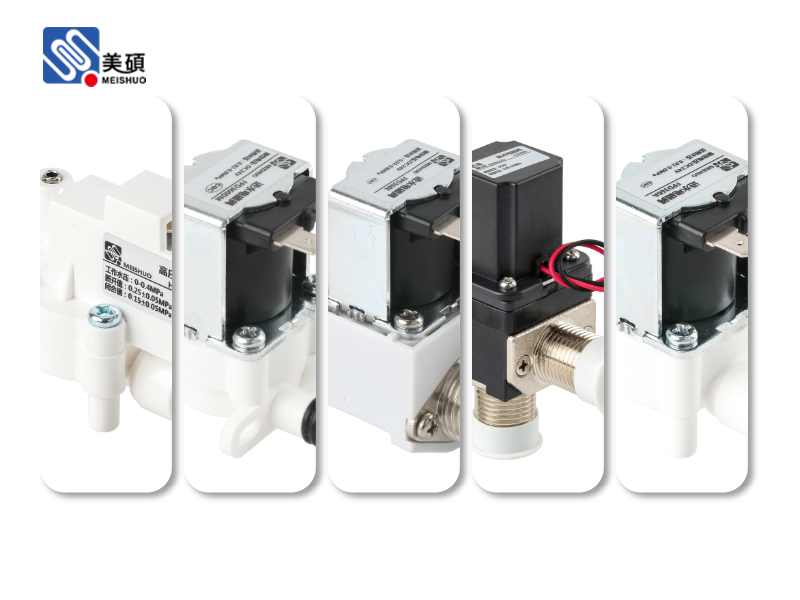
At its core, a solenoid valve operates through a simple yet effective mechanism. The valve consists of a coil, a plunger, and a valve body. When an electric current is applied to the coil, it creates a magnetic field that pulls the plunger upward, lifting a seal and allowing water to flow through the valve. When the current is cut off, a spring pushes the plunger back into place, closing the valve and stopping the water flow. This on-off action can be controlled by a controller, which sends signals to the solenoid valve at predetermined times or in response to specific conditions, such as soil moisture levels or weather forecasts.
There are several types of solenoid valves used in watering systems, each designed for specific applications. Normally closed (NC) valves are the most common, remaining shut until an electric current is applied. This design is ideal for systems where water should only flow when needed, preventing unnecessary water waste. Normally open (NO) valves, on the other hand, stay open until current is applied, which is useful in situations where continuous water flow is required unless interrupted. Additionally, there are two-way and three-way solenoid valves, with the latter allowing for more complex flow control, such as diverting water between different lines or mixing water with other substances.
The material of the solenoid valve is another important consideration. Brass valves are durable and resistant to corrosion, making them suitable for both residential and commercial applications. Plastic valves, while lighter and more affordable, may not be as long-lasting in harsh environments. Stainless steel valves offer the highest level of corrosion resistance, making them ideal for use with saltwater or in coastal areas. The choice of material depends on the specific needs of the irrigation system, including water quality, pressure, and environmental conditions.
Proper maintenance is key to ensuring the longevity and reliability of solenoid valves. Regular inspection can help identify issues such as clogs, leaks, or electrical malfunctions before they become major problems. Cleaning the valve's internal components, such as the filter and seal, can prevent debris from blocking the flow of water. Lubricating moving parts, like the plunger, can reduce friction and extend the valve's lifespan. It's also important to check the electrical connections to ensure they are secure and free from corrosion, as loose or damaged wires can cause the valve to malfunction.
In addition to regular maintenance, choosing the right solenoid valve for your system is crucial. Factors to consider include the water pressure, flow rate, and the type of irrigation system (drip, sprinkler, etc.). For example, a valve designed for low-pressure drip systems may not be suitable for high-pressure sprinkler systems, as it may not be able to handle the increased flow. Consulting with a professional or referring to the manufacturer's specifications can help ensure that the valve is compatible with your system's requirements.
The benefits of using solenoid valves in watering systems are numerous. They allow for precise control over water distribution, ensuring that each zone receives the right amount of water at the right time. This not only conserves water but also promotes healthier plant growth by preventing overwatering or underwatering. Solenoid valves also make it easier to automate irrigation systems, reducing the need for manual intervention and saving time and effort. With the integration of smart technology, modern solenoid valves can even be controlled remotely via a smartphone or computer, allowing users to adjust watering schedules on the go.
In conclusion, watering system solenoid valves are essential components that play a vital role in the efficiency and effectiveness of irrigation systems. By understanding their function, types, and maintenance requirements, users can ensure that their systems operate at peak performance, saving water, time, and money. Whether you're a homeowner looking to maintain a lush lawn or a farmer managing a large agricultural field, investing in high-quality solenoid valves and proper maintenance practices is a wise decision that will pay off in the long run.

 Chat Oline