


Cold water solenoid valves are essential components in modern plumbing and water management systems, providing precise control over the flow of cold water in residential, commercial, and industrial applications. These electromechanical devices use an electric current to actuate a valve mechanism, allowing for automated and remote control of water flow. Understanding the principles, types, and applications of cold water solenoid valves is crucial for anyone involved in plumbing design, installation, or maintenance.
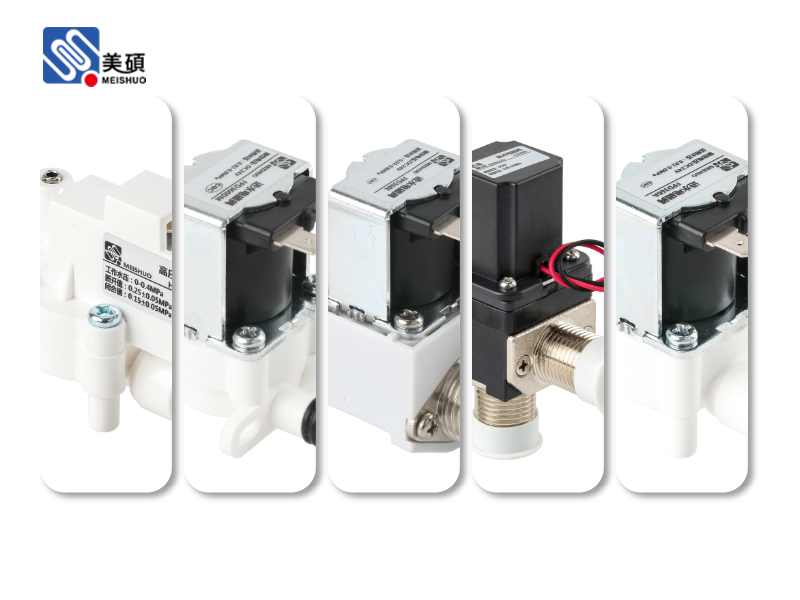
At its core, a cold water solenoid valve consists of a coil, a plunger, and a valve body. When an electric current passes through the coil, it creates a magnetic field that pulls the plunger, opening the valve and allowing water to flow. When the current is cut off, the magnetic field dissipates, and a spring returns the plunger to its original position, closing the valve. This simple yet effective mechanism makes solenoid valves ideal for applications requiring rapid and reliable on/off control.
There are several types of cold water solenoid valves, each designed for specific applications. Direct-acting solenoid valves are suitable for low-pressure systems, as they rely solely on the magnetic force to open the valve. Pilot-operated solenoid valves, on the other hand, use the pressure of the water itself to assist in opening the valve, making them suitable for high-pressure systems. Additionally, there are normally open and normally closed valves, with the former allowing water to flow when no current is applied and the latter blocking flow until current is applied.
The selection of a cold water solenoid valve depends on several factors, including the required flow rate, operating pressure, temperature range, and the type of fluid being controlled. It is essential to choose a valve that can handle the specific conditions of the application to ensure optimal performance and longevity. For example, in a residential irrigation system, a valve with a high flow rate and resistance to corrosion would be ideal, while in a commercial dishwasher, a valve with precise control and quick response time would be more appropriate.
Proper installation is critical to the performance of a cold water solenoid valve. The valve should be installed in a location that is easily accessible for maintenance, and the piping should be properly aligned to prevent stress on the valve body. It is also important to ensure that the valve is installed in the correct orientation, as some valves are designed to be installed in a specific position. Additionally, the electrical connections should be made according to the manufacturer's specifications to avoid damage to the coil.
Regular maintenance is essential to keep cold water solenoid valves operating efficiently. This includes inspecting the valve for leaks, cleaning the valve body and plunger to remove any debris, and checking the electrical connections for signs of wear or damage. It is also important to test the valve periodically to ensure that it is functioning correctly. In some cases, the coil may need to be replaced if it becomes damaged or worn out.
In conclusion, cold water solenoid valves are versatile and reliable components that play a crucial role in modern water management systems. By understanding the principles, types, and applications of these valves, as well as proper selection, installation, and maintenance practices, users can ensure that their systems operate efficiently and effectively. Whether in a residential, commercial, or industrial setting, cold water solenoid valves are an essential tool for controlling the flow of water and ensuring the smooth operation of various applications.

 Chat Oline