


Building water supply solenoid valves are critical components in modern plumbing systems, often overlooked but essential for ensuring efficient water distribution. These electromechanical devices play a vital role in controlling the flow of water in residential, commercial, and industrial buildings, providing both convenience and safety.
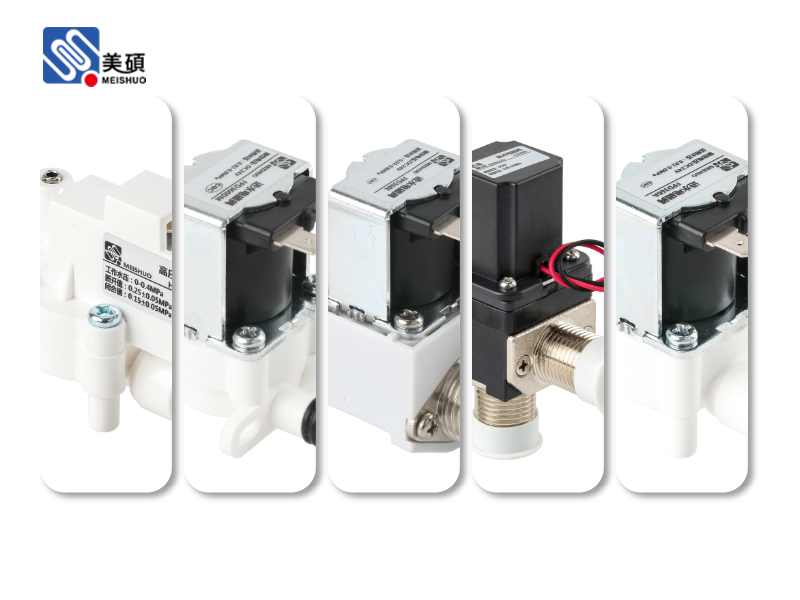
A solenoid valve operates on a simple principle: when an electric current is applied to a coil, it creates a magnetic field that moves a plunger, opening or closing the valve. This mechanism allows for precise control of water flow, making it ideal for applications where on-demand water supply is required. In building water systems, these valves are commonly used in irrigation systems, fire suppression systems, and domestic water supply networks.
One of the key advantages of solenoid valves in building water supply is their ability to provide automated control. With the integration of smart building technologies, these valves can be remotely controlled and monitored, allowing for efficient water management. For example, in a commercial building, solenoid valves can be programmed to adjust water flow based on occupancy patterns, reducing water waste and lowering utility costs.
Another important aspect is the safety they provide. Solenoid valves can be designed to automatically shut off water flow in case of leaks or system malfunctions, preventing water damage and potential flooding. This feature is particularly crucial in high-rise buildings and critical infrastructure where water damage can have severe consequences.
When selecting a solenoid valve for building water supply, several factors must be considered. The valve's material, size, and pressure rating should match the specific requirements of the system. For instance, valves used in potable water systems must be made of materials that are safe for drinking water, such as brass or stainless steel. Additionally, the valve's response time and flow capacity should be appropriate for the intended application.
Maintenance is another critical aspect of ensuring the longevity and performance of solenoid valves. Regular inspection and cleaning can prevent the buildup of debris and mineral deposits, which can affect the valve's operation. In some cases, solenoid valves may require periodic replacement of seals or coils to maintain optimal performance.
In recent years, there has been a growing emphasis on sustainability in building design, and solenoid valves play a role in this trend. By enabling precise control of water flow, these valves help reduce water consumption, contributing to more environmentally friendly building operations. Additionally, the use of energy-efficient solenoid valves can further reduce the carbon footprint of buildings.
In conclusion, building water supply solenoid valves are essential components that ensure the efficient and safe operation of modern plumbing systems. Their ability to provide automated control, enhance safety, and support sustainable practices makes them an integral part of building infrastructure. As technology continues to advance, we can expect to see even more innovative applications of solenoid valves in the future, further improving the efficiency and reliability of building water supply systems.

 Chat Oline