


Solenoid valves are critical components in modern fluid control systems, offering precise and reliable operation across a wide range of industries. Among the various types available, stainless steel and plastic solenoid valves stand out as two of the most commonly used options, each with unique characteristics and applications. Understanding the differences between these two materials is essential for selecting the right valve for specific operational requirements.
Stainless steel solenoid valves are renowned for their exceptional durability and resistance to harsh environments. Constructed from corrosion-resistant alloys such as 304 or 316 stainless steel, these valves excel in applications where exposure to corrosive fluids, high temperatures, or extreme pressure is common. The robust nature of stainless steel makes these valves ideal for industries like chemical processing, oil and gas, and food and beverage production, where hygiene and material integrity are paramount. Additionally, stainless steel valves offer excellent mechanical strength, allowing them to withstand frequent cycling and maintain performance over extended periods.
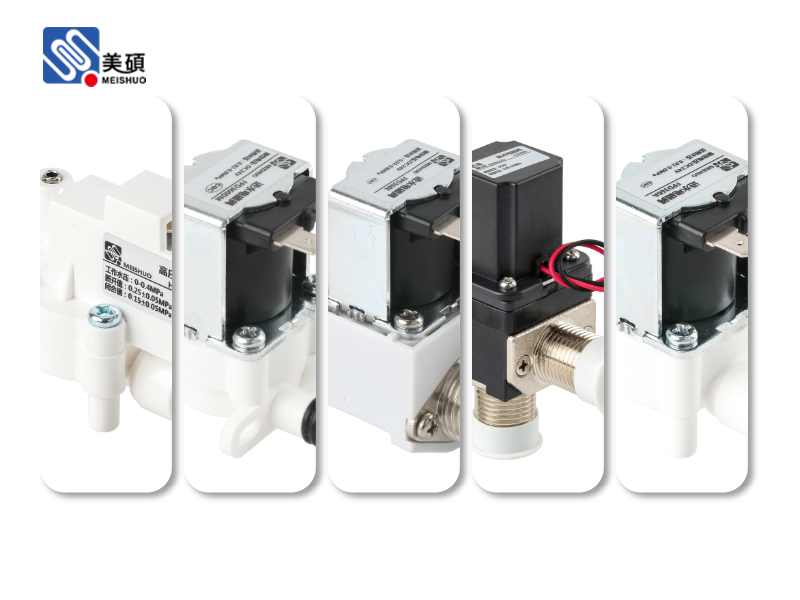
In contrast, plastic solenoid valves are valued for their lightweight construction, chemical resistance, and cost-effectiveness. Made from materials like PVC, PTFE, or polypropylene, these valves are particularly suitable for applications involving aggressive chemicals that might corrode metal components. Plastic valves are often used in water treatment systems, pharmaceutical manufacturing, and laboratory settings where chemical compatibility is critical. Their non-conductive properties also make them ideal for applications requiring electrical insulation, and their lower weight simplifies installation and reduces structural load requirements.
When selecting between stainless steel and plastic solenoid valves, several key factors must be considered. Fluid compatibility is perhaps the most critical, as certain chemicals may react with either material. For example, strong acids or bases might degrade plastic components over time, while stainless steel can handle a broader range of chemical exposures. Temperature and pressure requirements also play a significant role; stainless steel valves typically perform better at higher temperatures and pressures, whereas plastic valves have more limited operating ranges in these parameters.
Another important consideration is the application environment. In industries where hygiene is a top priority, such as food processing or pharmaceutical manufacturing, stainless steel valves are often preferred due to their ease of cleaning and resistance to bacterial growth. Plastic valves, while suitable for many applications, may not meet the strict hygiene standards required in these sectors. Conversely, in applications where weight reduction is critical, such as in portable equipment or aerospace systems, plastic valves offer a distinct advantage.
Maintenance and lifecycle costs are also essential factors to evaluate. Stainless steel valves generally have a longer lifespan and require less frequent replacement, making them a cost-effective choice over time despite their higher initial cost. Plastic valves, while more affordable upfront, may need to be replaced more frequently in demanding environments, leading to higher long-term costs. Additionally, the ease of repair and availability of replacement parts should be considered when making a selection.
In conclusion, both stainless steel and plastic solenoid valves offer unique advantages that make them suitable for different applications. Stainless steel valves are ideal for high-performance, corrosive, and high-temperature environments, while plastic valves excel in lightweight, chemically resistant, and cost-sensitive applications. By carefully evaluating the specific requirements of each application—including fluid type, operating conditions, environmental factors, and budget constraints—engineers and system designers can make informed decisions to ensure optimal performance and reliability. As technology continues to advance, both materials will likely see further improvements, expanding their capabilities and applications in the fluid control industry.

 Chat Oline