


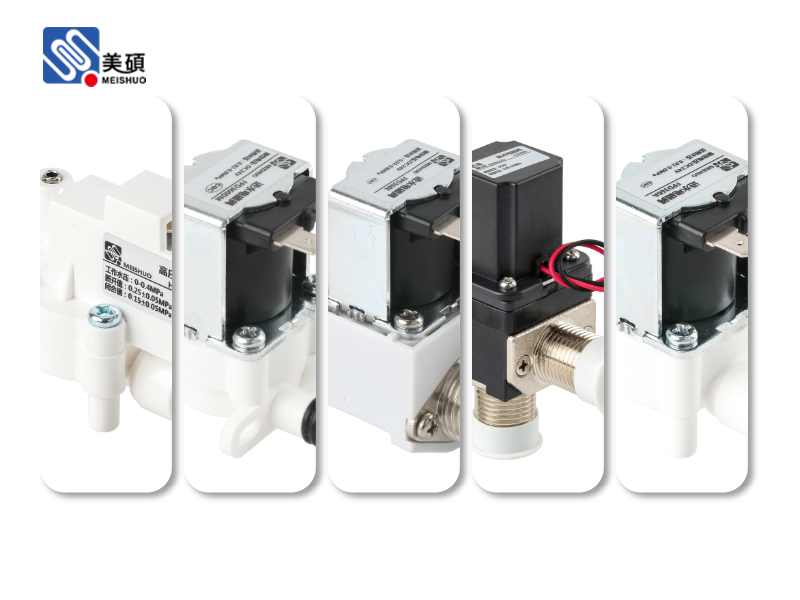
DC solenoid valves are the unsung heroes of modern automation, quietly powering countless industrial and commercial applications. These electromechanical devices convert electrical energy into mechanical motion, controlling the flow of liquids, gases, and other media with remarkable precision. Their compact design, energy efficiency, and reliable performance make them indispensable in industries ranging from manufacturing to healthcare.
At the heart of a DC solenoid valve is an electromagnet that generates a magnetic field when an electric current flows through its coil. This magnetic field attracts a plunger or armature, which in turn opens or closes a valve seat, allowing or blocking the flow of the medium. The direct current (DC) power source provides a consistent magnetic force, ensuring stable operation and precise control.
One of the key advantages of DC solenoid valves is their low power consumption. Unlike AC solenoid valves, which require higher voltage to maintain their magnetic field, DC solenoid valves operate at lower voltages, making them ideal for battery-powered applications. This energy efficiency not only reduces operational costs but also extends the lifespan of the valve by minimizing heat generation.
Another significant benefit is their fast response time. DC solenoid valves can open and close in milliseconds, making them suitable for applications that require rapid switching. This quick response is crucial in industries such as automotive, where precise control of fuel injection and hydraulic systems is essential for optimal performance.
DC solenoid valves are also highly versatile. They are available in a wide range of sizes, materials, and configurations to suit different applications. For example, stainless steel valves are used in food and beverage processing to ensure hygiene, while brass valves are preferred in plumbing systems for their durability. Additionally, they can be designed to handle high pressures and temperatures, making them suitable for industrial processes such as oil and gas production.
In the field of automation, DC solenoid valves play a vital role in controlling fluid flow in pneumatic and hydraulic systems. They are used in robotic arms, conveyor belts, and packaging machines to ensure smooth and efficient operation. In medical devices, they are used to control the flow of fluids in diagnostic equipment and drug delivery systems, where precision and reliability are of utmost importance.
Despite their many advantages, DC solenoid valves do have some limitations. They require a constant power supply to maintain their position, which can be a disadvantage in applications where power outages are common. Additionally, they may generate heat during operation, which can affect their performance and lifespan if not properly managed.
To overcome these limitations, manufacturers have developed innovative solutions such as latching solenoid valves, which use a permanent magnet to maintain the valve position without a constant power supply. These valves are ideal for applications where power conservation is critical, such as in remote monitoring systems and battery-powered devices.
In conclusion, DC solenoid valves are essential components in modern automation, providing precise, reliable, and energy-efficient control of fluid flow. Their versatility and performance make them suitable for a wide range of applications, from industrial processes to medical devices. As technology continues to advance, we can expect to see even more innovative designs and applications for these remarkable devices, further enhancing their role in shaping the future of automation.

 Chat Oline