


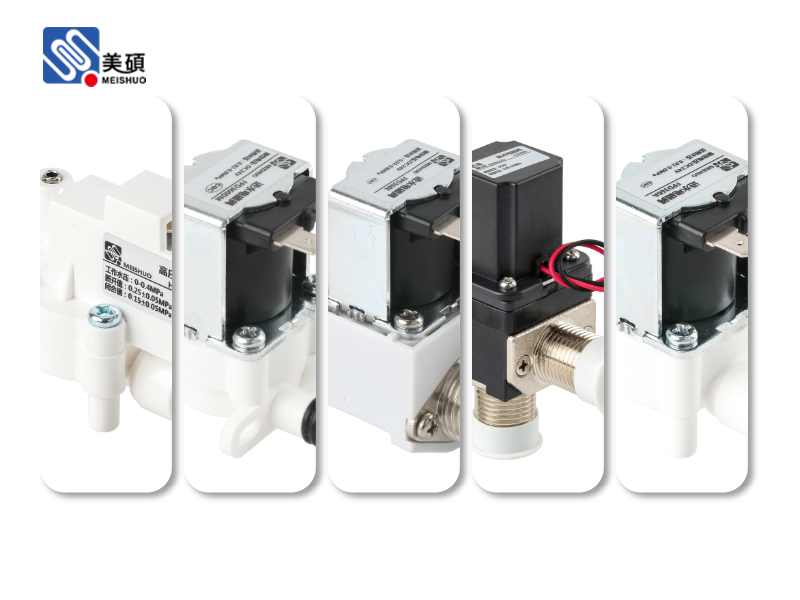
Plastic water solenoid valves have emerged as a game-changer in fluid control systems, offering a cost-effective, durable, and versatile solution for various applications. Unlike traditional metal valves, these innovative components combine the lightweight properties of plastic with the precision of solenoid technology, making them ideal for a wide range of industries including agriculture, medical, industrial automation, and residential plumbing.
The core advantage of plastic water solenoid valves lies in their material composition. Made from high-quality polymers such as PVC, PTFE, or ABS, these valves are resistant to corrosion, chemicals, and wear, ensuring long-term reliability even in harsh environments. This resistance to corrosion is particularly valuable in applications where water quality varies or where aggressive chemicals are present, as it eliminates the risk of rust or degradation that often plagues metal valves.
Design-wise, plastic water solenoid valves are engineered for efficiency. Their compact size allows for easy integration into tight spaces, while their lightweight construction reduces overall system weight, making them ideal for mobile or portable applications. The internal components, including the solenoid coil and plunger, are carefully designed to ensure quick response times, enabling precise control over water flow with minimal energy consumption.
In agricultural applications, plastic water solenoid valves play a crucial role in irrigation systems. They allow for automated control of water distribution, ensuring that crops receive the right amount of water at the right time. This not only optimizes water usage but also reduces labor costs and improves crop yield. Similarly, in residential settings, these valves are used in sprinkler systems, washing machines, and dishwashers, providing reliable and efficient water flow control.
The medical industry also benefits from plastic water solenoid valves. Their non-toxic and sterile properties make them suitable for use in medical devices such as dialysis machines, dental equipment, and laboratory instruments. The ability to precisely control fluid flow is essential in these applications, where even minor inaccuracies can have significant consequences.
Industrial automation is another area where plastic water solenoid valves excel. They are used in manufacturing processes to control the flow of water in cooling systems, cleaning operations, and material handling. The valves' durability and resistance to harsh conditions make them ideal for continuous operation in industrial environments.
When selecting a plastic water solenoid valve, several factors should be considered. These include the operating pressure and temperature, the type of fluid being controlled, and the required flow rate. It is also important to choose a valve with the appropriate voltage and connection type to ensure compatibility with the existing system.
Maintenance of plastic water solenoid valves is relatively straightforward. Regular inspection for leaks, cleaning of internal components, and checking the solenoid coil for damage can help extend the valve's lifespan. Unlike metal valves, plastic valves do not require frequent lubrication, reducing maintenance costs and downtime.
In conclusion, plastic water solenoid valves represent a significant advancement in fluid control technology. Their combination of durability, efficiency, and versatility makes them an ideal choice for a wide range of applications. As industries continue to seek more sustainable and cost-effective solutions, the demand for these innovative valves is expected to grow, solidifying their position as a key component in modern fluid control systems.

 Chat Oline