


Polypropylene (PP) solenoid valves have emerged as a versatile solution in fluid control systems, offering unique advantages in various industrial and commercial applications. This article explores the key features, applications, and benefits of PP solenoid valves, highlighting their importance in modern engineering.
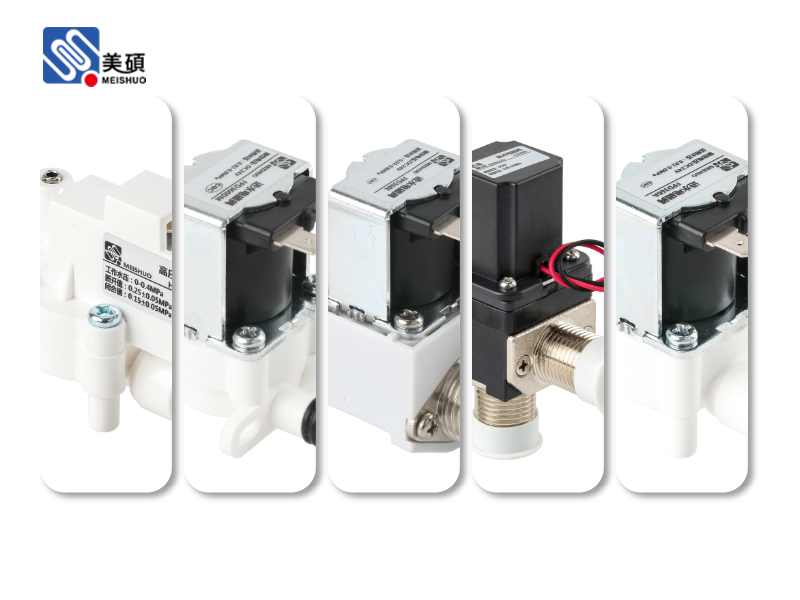
PP solenoid valves are constructed using polypropylene, a thermoplastic polymer known for its excellent chemical resistance, durability, and lightweight properties. These valves utilize an electromagnetic coil to control the flow of fluids, making them ideal for applications where precise flow regulation is required. The combination of PP material and solenoid technology creates a valve that can withstand harsh environments while maintaining reliable performance.
One of the primary advantages of PP solenoid valves is their exceptional chemical resistance. Polypropylene is resistant to most acids, alkalis, and organic solvents, making these valves suitable for use in chemical processing, water treatment, and pharmaceutical industries. Unlike metal valves, which can corrode or degrade when exposed to aggressive chemicals, PP valves maintain their integrity over time, reducing maintenance costs and extending service life.
Another key benefit is their lightweight construction. PP is significantly lighter than metal, making installation and handling easier, especially in systems where weight is a concern. This feature is particularly valuable in portable equipment, aerospace applications, and installations where structural load is a critical factor.
PP solenoid valves also offer excellent thermal stability. They can operate effectively in a wide temperature range, from sub-zero conditions to high-temperature environments, without losing their mechanical properties. This versatility allows them to be used in diverse applications, from food and beverage processing to industrial manufacturing.
In terms of applications, PP solenoid valves are widely used in water treatment systems, where they control the flow of chemicals, water, and wastewater. Their chemical resistance makes them ideal for handling chlorine, acids, and other treatment chemicals. In the pharmaceutical industry, these valves are used to control the flow of sterile fluids, ensuring product purity and compliance with regulatory standards.
The food and beverage industry also benefits from PP solenoid valves, as they are non-toxic and meet food safety standards. They are used in beverage dispensing systems, dairy processing, and food packaging, where hygiene and reliability are paramount. Additionally, PP valves are employed in irrigation systems, where they control water flow in agricultural settings, contributing to efficient water management.
When selecting a PP solenoid valve, several factors should be considered. The valve size, pressure rating, and flow rate must match the specific application requirements. Additionally, the type of fluid being handled, temperature range, and environmental conditions should be taken into account to ensure optimal performance. It is also important to choose a valve with the appropriate coil voltage and response time to meet the system's operational needs.
Maintenance of PP solenoid valves is relatively straightforward. Regular inspection of the valve body, seals, and coil ensures that the valve remains in good working condition. Since PP is resistant to corrosion and wear, these valves require minimal maintenance compared to metal alternatives, reducing downtime and operational costs.
In conclusion, PP solenoid valves represent a reliable and cost-effective solution for fluid control in a wide range of applications. Their chemical resistance, lightweight construction, and thermal stability make them a preferred choice in industries where performance and durability are critical. As technology continues to advance, PP solenoid valves are likely to play an increasingly important role in modern engineering, offering innovative solutions to complex fluid control challenges.

 Chat Oline