


Direct acting solenoid valves represent a fundamental component in fluid control systems across diverse industrial sectors. These compact, efficient devices operate through a direct mechanical connection between the solenoid coil and the valve mechanism, distinguishing them from pilot-operated alternatives. Understanding their principles of operation, applications, and unique advantages is essential for engineers, technicians, and industry professionals seeking optimal fluid control solutions.
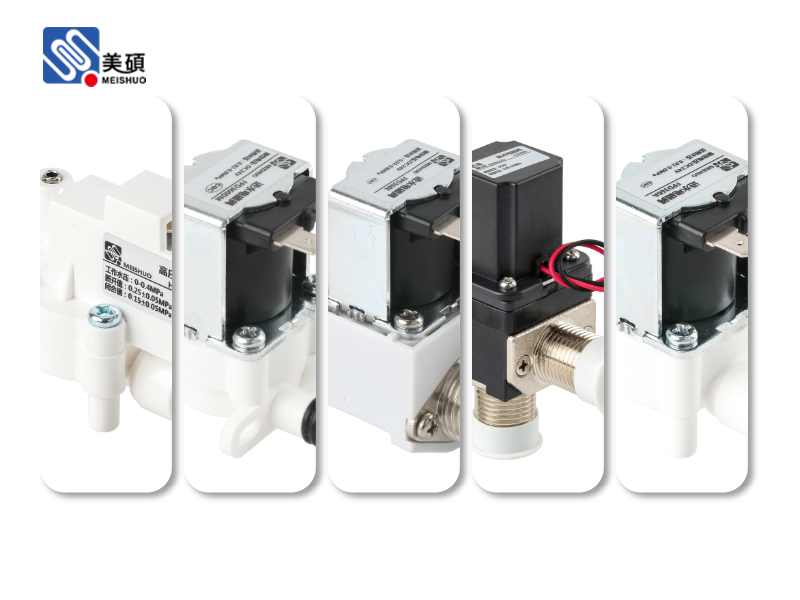
At the core of a direct acting solenoid valve lies a simple yet effective design. When an electrical current flows through the solenoid coil, it generates a magnetic field that attracts a plunger or armature. This direct mechanical action causes the valve's sealing element—typically a rubber or PTFE diaphragm—to move, either opening or closing the flow path. Unlike pilot-operated valves that rely on system pressure to assist actuation, direct acting valves can operate independently of fluid pressure, making them ideal for low-pressure or vacuum applications. The absence of auxiliary pressure requirements simplifies system design and enhances reliability in critical operations.
The versatility of direct acting solenoid valves is evident in their wide range of applications. In the automotive industry, they control fuel injection systems, transmission fluid flow, and emissions control mechanisms. In HVAC systems, these valves regulate refrigerant flow, ensuring precise temperature control and energy efficiency. Medical equipment relies on them for precise fluid delivery in diagnostic devices and surgical instruments, where accuracy and reliability are paramount. Industrial automation systems utilize direct acting valves for pneumatic and hydraulic control, enabling precise actuation in assembly lines and manufacturing processes.
One of the key advantages of direct acting solenoid valves is their rapid response time. The direct mechanical linkage between the solenoid and valve mechanism allows for near-instantaneous actuation, making them suitable for applications requiring quick on/off cycles. This responsiveness is critical in systems where timing precision directly impacts performance, such as in automated manufacturing or emergency shut-off systems. Additionally, their compact size and lightweight design make them easy to integrate into space-constrained environments, reducing installation complexity and costs.
Reliability is another hallmark of direct acting solenoid valves. With fewer moving parts compared to pilot-operated alternatives, they exhibit lower failure rates and longer service life. The absence of pilot chambers or complex pressure-dependent mechanisms minimizes potential points of failure, enhancing operational stability. This reliability is particularly valuable in critical applications where downtime can result in significant financial losses or safety hazards, such as in chemical processing plants or power generation facilities.
Despite their many advantages, direct acting solenoid valves do have limitations. Their direct actuation mechanism requires more force from the solenoid coil, which can result in higher power consumption compared to pilot-operated valves. Additionally, they may have lower flow rates due to the smaller valve orifice size necessary to maintain actuation force. However, these limitations are often offset by their unique benefits in specific applications, such as low-pressure systems or where rapid response is critical.
In conclusion, direct acting solenoid valves play an indispensable role in modern fluid control systems. Their simple design, rapid response, and reliability make them a preferred choice across industries ranging from automotive and HVAC to medical and industrial automation. As technology continues to advance, ongoing innovations in materials, coil design, and manufacturing processes are further enhancing their performance and expanding their application scope. For engineers and system designers, understanding the principles and advantages of direct acting solenoid valves is essential for selecting the optimal fluid control solution for any given application.

 Chat Oline