


In the intricate world of fluid control systems, precision is everything. From medical devices to industrial automation, the ability to manage minute fluid volumes with accuracy can make or break operational efficiency and product quality. This is where low flow solenoid valves come into play, serving as the unsung heroes of precise fluid management. These specialized components have revolutionized industries by offering unmatched control over small flow rates, enabling applications that were once deemed impossible.
Low flow solenoid valves are specifically designed to handle flow rates typically ranging from a few milliliters per minute to several liters per minute, depending on the model. Unlike their standard counterparts, which are optimized for higher flow capacities, these valves excel in scenarios where even the slightest variation in flow can have significant consequences. The key to their precision lies in their compact design and specialized internal components, which allow for fine-tuning of flow parameters with exceptional accuracy.
One of the most critical applications of low flow solenoid valves is in the medical field. In drug delivery systems, such as insulin pumps and intravenous (IV) infusion devices, precise control over medication dosage is a matter of life and death. A low flow solenoid valve ensures that the exact amount of medication is delivered to the patient at the right time, minimizing the risk of under-dosing or over-dosing. Similarly, in diagnostic equipment like blood analyzers, these valves play a crucial role in handling small samples, ensuring accurate test results by maintaining consistent flow rates.
The industrial sector also benefits greatly from the precision of low flow solenoid valves. In chemical processing, for example, the mixing of reagents often requires precise control over the flow of each component to achieve the desired chemical reaction. A slight deviation in flow rate can lead to product defects or even safety hazards. Low flow solenoid valves provide the necessary precision to maintain optimal process conditions, reducing waste and improving product quality. In addition, these valves are used in fuel injection systems for engines, where they help optimize fuel efficiency and reduce emissions by precisely controlling the amount of fuel delivered to the combustion chamber.
Another area where low flow solenoid valves shine is in environmental monitoring and water treatment. In water quality testing, these valves are used to sample small volumes of water for analysis, ensuring that even trace contaminants are detected accurately. In water treatment plants, they help regulate the flow of chemicals used in purification processes, ensuring that the right amount of treatment agent is added to the water to meet safety standards. This not only improves the quality of the water but also reduces the cost of treatment by minimizing the use of chemicals.
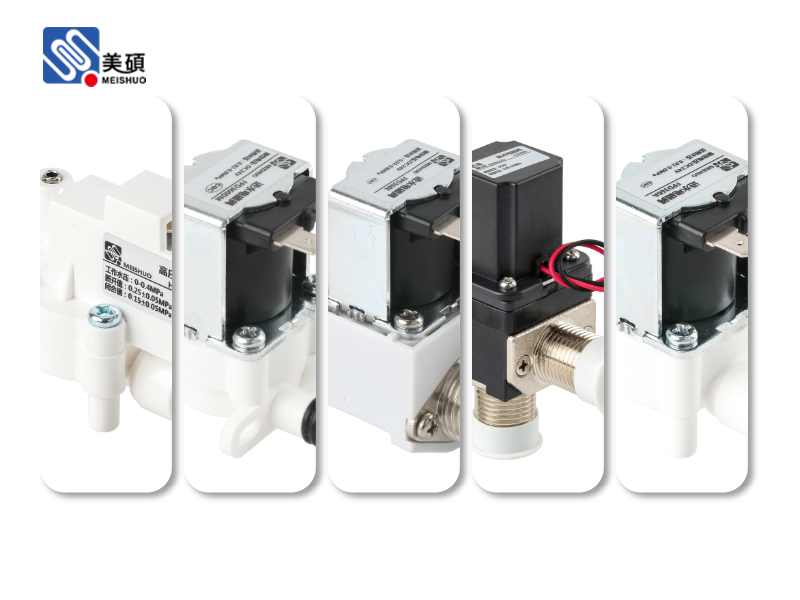
The design of low flow solenoid valves is tailored to their specific applications. They typically feature a small orifice size, which restricts the flow of fluid and allows for precise control. The valve body is often made of materials that are resistant to corrosion and chemical degradation, ensuring long-term reliability in harsh environments. The solenoid actuator, which controls the opening and closing of the valve, is designed to provide quick response times, allowing for rapid adjustments to flow rates as needed. Some models also incorporate feedback mechanisms, such as flow sensors, to monitor and adjust the flow in real-time, further enhancing precision.
When selecting a low flow solenoid valve for a specific application, several factors must be considered. The type of fluid being handled, its viscosity, temperature, and pressure are all critical parameters that influence the choice of valve. For example, a valve designed for water may not be suitable for handling corrosive chemicals, which require specialized materials. The required flow rate and precision level also play a role in determining the appropriate valve model. Additionally, the operating environment, such as whether the valve will be used in a cleanroom or an outdoor setting, must be taken into account to ensure that the valve can withstand the conditions.
In conclusion, low flow solenoid valves are essential components in modern fluid control systems, providing the precision and reliability needed for a wide range of applications. From medical devices to industrial processes, these valves enable the accurate management of small fluid volumes, improving efficiency, safety, and product quality. As technology continues to advance, the demand for even more precise and efficient low flow solenoid valves is likely to grow, driving further innovation in this field. Whether you are designing a medical device, an industrial process, or an environmental monitoring system, understanding the capabilities and applications of low flow solenoid valves is crucial for achieving optimal performance.

 Chat Oline