


In the complex landscape of food and beverage production, precision, safety, and efficiency are non-negotiable. Among the unsung heroes of this industry are food grade solenoid valves—specialized components that play a pivotal role in ensuring the integrity of our food supply. These valves are not mere mechanical parts; they are guardians of food safety, enablers of automation, and essential tools in maintaining the highest standards of quality in food processing.
Food grade solenoid valves are designed to meet stringent regulatory requirements, including those set by the FDA, EU, and other global food safety authorities. Unlike standard solenoid valves, which may contain materials that could leach into food products, food grade versions are constructed from materials that are safe for direct contact with consumables. Stainless steel, PTFE, and food-grade rubber are common materials used, as they are non-reactive, corrosion-resistant, and easy to clean. This ensures that no harmful substances contaminate the food during processing, storage, or distribution.
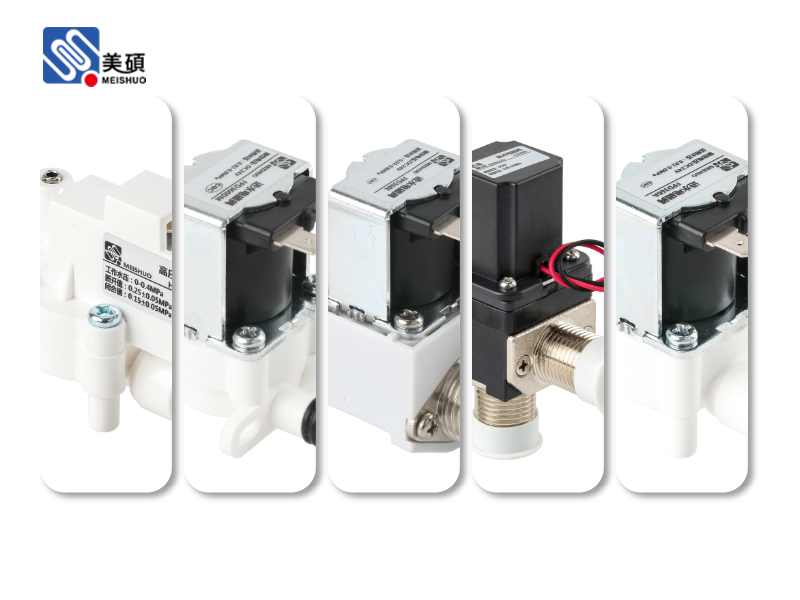
The functionality of food grade solenoid valves is rooted in their ability to control the flow of liquids, gases, and semi-solids with precision. These valves operate using an electromagnetic coil that, when energized, moves a plunger to open or close the valve. This on/off mechanism allows for rapid and accurate control, making them ideal for applications where timing and consistency are critical. For example, in dairy processing, solenoid valves regulate the flow of milk during pasteurization, ensuring that the product is heated and cooled at the exact temperatures required to eliminate harmful bacteria without compromising taste or nutritional value.
In addition to their role in safety, food grade solenoid valves contribute significantly to operational efficiency. Their fast response time and low maintenance requirements make them suitable for high-volume production lines. In beverage manufacturing, for instance, these valves are used to control the flow of carbonated drinks, syrups, and water, ensuring that each bottle or can is filled with the correct amount of product. This not only reduces waste but also ensures consistency in taste and quality across batches.
Another key advantage of food grade solenoid valves is their compatibility with clean-in-place (CIP) and sterilize-in-place (SIP) systems. These systems are essential in food processing facilities to maintain hygiene and prevent cross-contamination. Solenoid valves designed for food grade applications are constructed to withstand the harsh conditions of CIP and SIP processes, including high temperatures, pressure, and chemical cleaning agents. This ensures that the valves themselves remain free from bacteria and other contaminants, further safeguarding the food products they handle.
The versatility of food grade solenoid valves is evident in their wide range of applications. From controlling the flow of ingredients in baking and confectionery to regulating the supply of water in beverage production, these valves are integral to almost every stage of food processing. In the meat and poultry industry, they are used to control the flow of brines, marinades, and other processing fluids, ensuring that products are properly seasoned and preserved. In the pharmaceutical and nutraceutical sectors, food grade solenoid valves are also employed to handle sensitive ingredients, as their non-reactive materials prevent contamination and maintain product purity.
As the food industry continues to evolve, the demand for more advanced and reliable food grade solenoid valves is growing. Manufacturers are investing in research and development to create valves that offer better performance, longer lifespans, and greater compatibility with modern automation systems. For example, smart solenoid valves equipped with sensors and connectivity features are emerging, allowing for real-time monitoring and control of valve operations. This not only enhances efficiency but also provides valuable data for predictive maintenance, reducing downtime and ensuring continuous production.
In conclusion, food grade solenoid valves are indispensable components in the food and beverage industry. Their ability to ensure food safety, improve operational efficiency, and adapt to the evolving needs of modern processing facilities makes them a cornerstone of quality control. As consumers become more conscious of food safety and quality, the role of these valves will only become more critical. By investing in high-quality food grade solenoid valves, manufacturers can not only meet regulatory requirements but also build trust with consumers, ensuring the long-term success of their products in an increasingly competitive market.

 Chat Oline