


In modern industrial operations, maintaining fluid purity is essential for equipment longevity and operational efficiency. At the heart of this process lies the Filtration System Solenoid Valve—a sophisticated component that orchestrates the flow of fluids through filtration systems with precision and reliability. This article explores the functionality, applications, and significance of these valves in various industrial contexts.
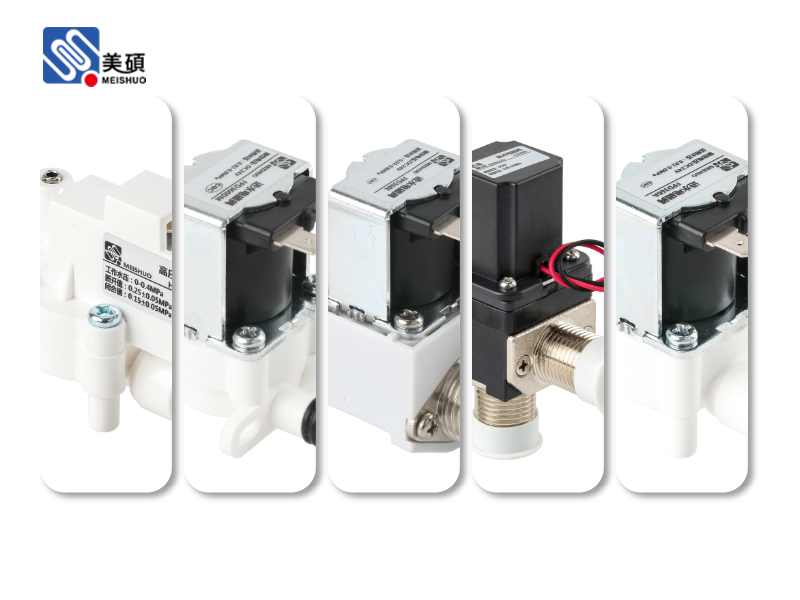
Filtration System Solenoid Valves are electromechanically operated devices designed to control the flow of liquids or gases in filtration systems. Unlike manual valves, they use electromagnetic coils to actuate the valve mechanism, enabling remote and automated control. When an electrical current is applied to the coil, it generates a magnetic field that moves a plunger or armature, opening or closing the valve. This capability allows for precise timing and flow regulation, critical in processes where fluid quality directly impacts product integrity.
The primary function of these valves is to manage the flow of fluids through filtration stages. In water treatment plants, for example, solenoid valves direct water through sediment filters, activated carbon filters, and reverse osmosis membranes. By opening and closing at specific intervals, they ensure that each filter stage receives the optimal flow rate, preventing overloading and maximizing filtration efficiency. Similarly, in oil and gas applications, these valves control the flow of lubricants and hydraulic fluids, removing contaminants that could damage sensitive machinery.
One of the key advantages of Filtration System Solenoid Valves is their ability to integrate with automated control systems. Modern industrial setups often use Programmable Logic Controllers (PLCs) or Distributed Control Systems (DCS) to monitor and adjust valve operations. Sensors detect changes in fluid pressure, temperature, or quality, sending signals to the solenoid valve to adjust flow rates or switch between filter stages. This automation reduces human intervention, minimizes errors, and enhances system reliability.
Material selection is another critical aspect of these valves. Depending on the application, valves may be constructed from stainless steel, brass, or plastic, each offering unique benefits. Stainless steel valves excel in corrosive environments, while brass valves provide excellent durability for high-pressure systems. Plastic valves, on the other hand, are lightweight and cost-effective for low-pressure applications. The choice of material directly impacts the valve's lifespan and performance in specific industrial settings.
Maintenance is essential to ensure the longevity of Filtration System Solenoid Valves. Regular inspections help identify issues such as coil burnout, seal degradation, or blockages. Cleaning the valve components and replacing worn parts can prevent unexpected downtime and maintain optimal performance. Additionally, proper calibration of the valve's response time and flow rate ensures that the filtration system operates at peak efficiency.
In conclusion, Filtration System Solenoid Valves play a pivotal role in modern industrial fluid management. Their ability to provide precise, automated control over fluid flow makes them indispensable in applications ranging from water treatment to oil and gas processing. By understanding their functionality, material selection, and maintenance requirements, industries can optimize their filtration systems, ensuring product quality and operational efficiency. As technology continues to advance, these valves will likely evolve to meet the growing demands of industrial processes, further solidifying their importance in the global manufacturing landscape.

 Chat Oline