


DC solenoid valves are integral components in modern industrial systems, playing a crucial role in controlling fluid flow with precision and efficiency. These electromechanical devices use direct current (DC) to actuate a valve mechanism, making them ideal for a wide range of applications across various industries.
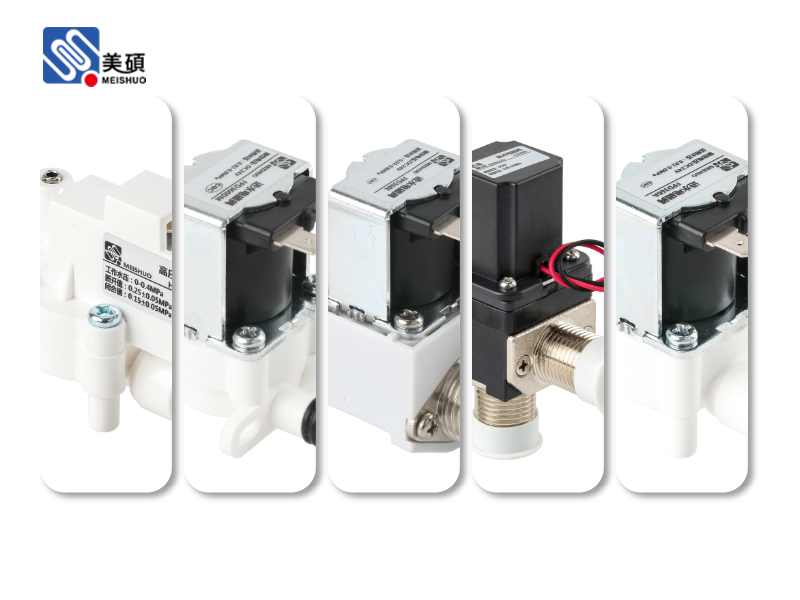
At its core, a DC solenoid valve consists of a coil, armature, and valve body. When an electric current is applied to the coil, it creates a magnetic field that pulls the armature, which in turn opens or closes the valve. The use of DC power provides several advantages, including lower power consumption compared to AC solenoids, consistent performance, and compatibility with battery-powered systems.
One of the key benefits of DC solenoid valves is their rapid response time. The direct current allows for quick activation and deactivation, making them suitable for applications requiring precise timing, such as in medical equipment, automotive systems, and industrial automation. This responsiveness ensures that fluid flow can be controlled with high accuracy, minimizing waste and optimizing system performance.
Another advantage is their reliability in harsh environments. DC solenoid valves are designed to withstand extreme temperatures, pressure variations, and exposure to corrosive substances. This durability makes them suitable for use in industries like oil and gas, chemical processing, and water treatment, where reliability is critical for operational safety and efficiency.
In terms of energy efficiency, DC solenoid valves outperform their AC counterparts. DC power systems typically have lower energy losses, especially in applications where the valve is activated for short periods. This efficiency not only reduces operational costs but also contributes to a more sustainable industrial ecosystem.
The versatility of DC solenoid valves is evident in their wide range of applications. In the automotive industry, they are used in fuel injection systems, transmission control, and brake systems. In medical devices, they regulate the flow of fluids in dialysis machines and diagnostic equipment. In industrial automation, they control pneumatic and hydraulic systems, ensuring smooth operation of production lines.
When selecting a DC solenoid valve, several factors must be considered. These include the required flow rate, pressure rating, voltage compatibility, and environmental conditions. Proper selection ensures that the valve will perform optimally in its intended application, minimizing downtime and maintenance costs.
Maintenance of DC solenoid valves is relatively straightforward. Regular inspection of the coil, armature, and valve body helps identify potential issues before they lead to system failure. Cleaning and lubrication of moving parts ensure smooth operation, while replacement of worn components extends the valve's lifespan.
In conclusion, DC solenoid valves are essential components in modern industrial systems, offering precision, reliability, and energy efficiency. Their versatility and performance make them indispensable in a wide range of applications, from automotive and medical to industrial automation. As technology continues to advance, DC solenoid valves will likely play an even more significant role in optimizing system performance and contributing to a more sustainable future.

 Chat Oline