


Reverse osmosis (RO) systems have become essential in providing clean, purified water for residential, commercial, and industrial applications. At the core of these systems lies a critical component that ensures efficient operation: the RO solenoid valve. This unassuming device plays a vital role in controlling water flow, pressure, and system performance, making it an indispensable part of any RO setup.
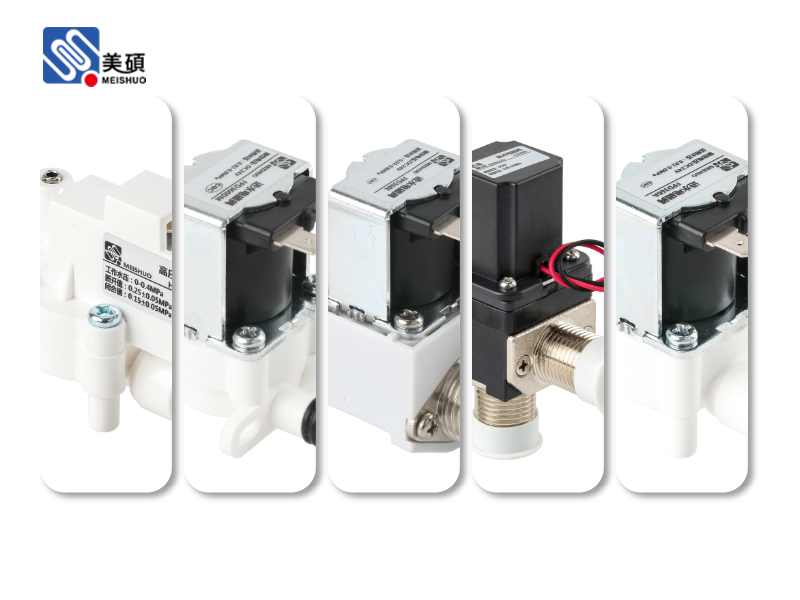
An RO solenoid valve is an electromechanical device designed to control the flow of water in reverse osmosis systems. It consists of a coil, a plunger, and a valve body. When an electric current passes through the coil, it creates a magnetic field that moves the plunger, opening or closing the valve. This allows precise control over water flow, enabling the system to operate efficiently and effectively.
The primary function of an RO solenoid valve is to regulate the water flow between different stages of the RO process. In a typical RO system, water first passes through a pre-filter to remove sediment and larger particles. It then enters the reverse osmosis membrane, where dissolved solids and contaminants are removed. The solenoid valve controls the flow of water to the membrane, ensuring optimal pressure and preventing damage to the delicate membrane.
Another crucial role of the RO solenoid valve is in the backwashing process. Over time, the RO membrane can become clogged with contaminants, reducing its efficiency. The solenoid valve helps initiate and control the backwashing cycle, which flushes out accumulated impurities and extends the lifespan of the membrane. This process is essential for maintaining the system's performance and ensuring a consistent supply of clean water.
RO solenoid valves also play a key role in the automatic shut-off function. When the storage tank is full, the valve closes to prevent overfilling and unnecessary water waste. This not only saves water but also reduces energy consumption, as the system doesn't need to operate continuously. The automatic shut-off feature is particularly important in residential RO systems, where water usage can vary significantly throughout the day.
Choosing the right RO solenoid valve is critical for the overall performance of the system. Factors to consider include the valve's flow rate, pressure rating, and compatibility with the system's specifications. It's also important to select a valve made from high-quality materials that can withstand the harsh conditions of water treatment, such as corrosion and mineral buildup.
Regular maintenance of RO solenoid valves is essential to ensure their longevity and reliability. This includes periodic cleaning to remove any debris or mineral deposits that may accumulate over time. It's also important to check the valve's seals and O-rings for wear and tear, as these can affect the valve's performance and lead to leaks.
In conclusion, the RO solenoid valve is a small but powerful component that plays a crucial role in the operation of reverse osmosis systems. From controlling water flow to enabling backwashing and automatic shut-off, this device ensures that RO systems operate efficiently and effectively. By understanding the function and importance of RO solenoid valves, users can make informed decisions when selecting and maintaining their RO systems, ensuring a reliable supply of clean, purified water for years to come.

 Chat Oline