


Solenoid valves are essential components in modern fluid control systems, playing a crucial role in regulating the flow of liquids and gases across various industries. Among the most common types are stainless steel and plastic solenoid valves, each offering unique advantages and applications. Understanding the differences between these two materials is essential for selecting the right valve for specific operational needs.
Stainless steel solenoid valves are prized for their exceptional durability and resistance to harsh environments. Made from corrosion-resistant alloys such as 304 or 316 stainless steel, these valves excel in applications where exposure to aggressive chemicals, high temperatures, or corrosive substances is common. Industries such as chemical processing, oil and gas, and food and beverage production often rely on stainless steel valves due to their ability to maintain structural integrity under extreme conditions. Additionally, stainless steel valves offer superior mechanical strength, making them suitable for high-pressure systems where reliability is paramount.
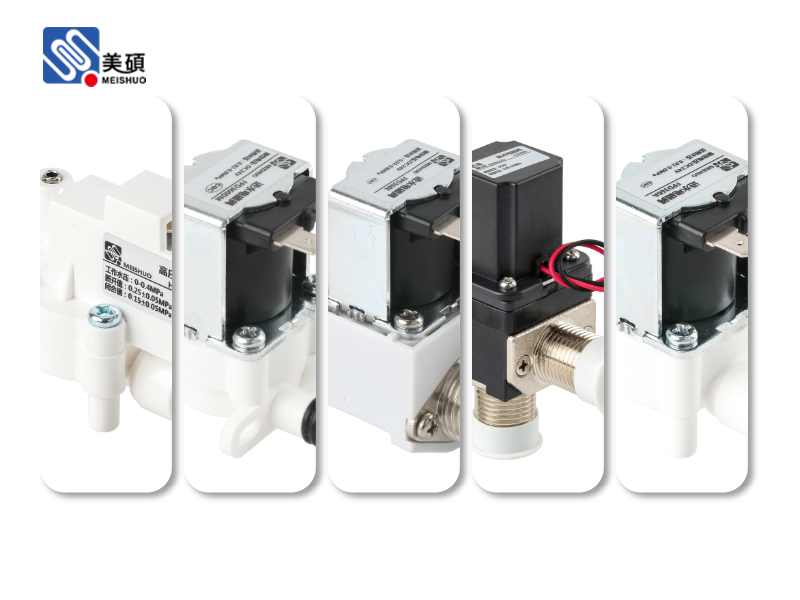
On the other hand, plastic solenoid valves, typically constructed from materials like PVC, PTFE, or polypropylene, provide distinct benefits in specific scenarios. These valves are lightweight, cost-effective, and highly resistant to certain chemicals that may corrode metal components. Plastic valves are particularly well-suited for applications involving water treatment, irrigation systems, and low-pressure fluid control where weight and cost are critical factors. Their non-conductive properties also make them ideal for use in electrical systems where insulation is necessary.
When selecting between stainless steel and plastic solenoid valves, several key factors must be considered. The nature of the fluid being controlled is a primary consideration: corrosive liquids or gases may require the chemical resistance of stainless steel, while non-corrosive fluids can often be safely managed with plastic valves. Operating pressure and temperature ranges are also critical; stainless steel valves generally handle higher pressures and temperatures compared to their plastic counterparts. Additionally, the environment in which the valve will be installed—whether it's exposed to outdoor elements, extreme temperatures, or abrasive materials—will influence the choice of material.
In terms of maintenance and longevity, stainless steel valves typically have a longer service life due to their robust construction, though they may require periodic cleaning to prevent buildup. Plastic valves, while more affordable, may degrade over time when exposed to UV radiation or certain chemicals, necessitating more frequent replacement. It's also important to consider the compatibility of the valve material with the fluid to avoid chemical reactions that could compromise performance or safety.
The applications of these valves are diverse and far-reaching. Stainless steel solenoid valves are commonly found in industrial settings such as pharmaceutical manufacturing, where hygiene and corrosion resistance are critical, and in marine environments where saltwater exposure demands durable materials. Plastic valves, meanwhile, are widely used in residential plumbing, agricultural irrigation, and pool systems, where their lightweight design and cost-effectiveness make them practical choices.
Advancements in manufacturing technology have led to improvements in both types of valves. Modern stainless steel valves often feature precision machining and enhanced sealing mechanisms to ensure leak-proof performance, while plastic valves now incorporate reinforced designs and improved chemical resistance. These innovations have expanded the range of applications for both materials, making them more versatile than ever before.
In conclusion, the choice between stainless steel and plastic solenoid valves depends on a careful evaluation of operational requirements, fluid characteristics, and environmental conditions. Stainless steel valves offer unparalleled durability and resistance for demanding industrial applications, while plastic valves provide cost-effective solutions for less harsh environments. By understanding the unique properties and applications of each material, engineers and system designers can make informed decisions that optimize performance, reliability, and cost-efficiency in fluid control systems.

 Chat Oline