


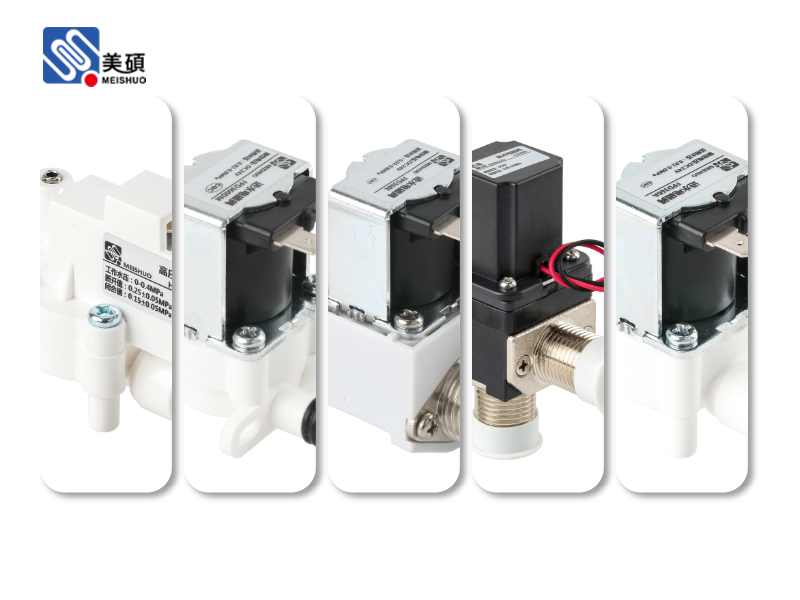
Plastic water solenoid valves have emerged as critical components in various industries, revolutionizing fluid control systems with their unique combination of durability, cost-effectiveness, and environmental friendliness. These valves play a vital role in regulating water flow in applications ranging from household appliances to industrial machinery, offering precise control and reliable performance.
The design and construction of plastic water solenoid valves set them apart from traditional metal alternatives. Made from high-quality polymers such as PVC, PEEK, and polypropylene, these valves offer excellent resistance to corrosion, chemical degradation, and temperature fluctuations. This material choice makes them particularly suitable for water treatment systems, where exposure to harsh chemicals and varying pH levels is common.
One of the key advantages of plastic water solenoid valves is their lightweight construction. Unlike metal valves, which can be heavy and cumbersome, plastic valves are easy to install and maintain. This feature is especially beneficial in applications where weight is a concern, such as in portable water systems or mobile equipment.
Another significant benefit is their cost-effectiveness. Plastic materials are generally less expensive than metals, allowing manufacturers to produce valves at a lower cost without compromising quality. This affordability makes plastic water solenoid valves an attractive option for both small-scale and large-scale applications, from residential water systems to industrial manufacturing processes.
The functionality of plastic water solenoid valves is based on electromagnetic principles. When an electric current is applied to the solenoid coil, it creates a magnetic field that moves a plunger, opening or closing the valve. This mechanism allows for precise control over water flow, making these valves ideal for applications requiring accurate flow regulation, such as in irrigation systems, water purification plants, and beverage production lines.
In addition to their functional benefits, plastic water solenoid valves also contribute to environmental sustainability. The use of plastic materials reduces the demand for metal resources, which are often energy-intensive to extract and process. Furthermore, many plastic valves are recyclable, minimizing their environmental impact at the end of their lifecycle.
However, it is important to note that not all plastic water solenoid valves are created equal. The quality of the materials and manufacturing processes can vary significantly between different brands and models. When selecting a plastic water solenoid valve, it is crucial to consider factors such as pressure rating, temperature tolerance, and compatibility with specific fluids.
Maintenance is another key consideration for plastic water solenoid valves. While these valves are generally low-maintenance, regular inspection and cleaning are necessary to ensure optimal performance. This includes checking for leaks, verifying the functionality of the solenoid coil, and ensuring that the valve is free from debris that could impede water flow.
Looking to the future, the demand for plastic water solenoid valves is expected to grow as industries increasingly prioritize sustainability and cost efficiency. Advances in polymer technology are likely to lead to even more durable and versatile valve designs, expanding their applications across various sectors.
In conclusion, plastic water solenoid valves represent a significant advancement in fluid control technology. Their unique combination of durability, cost-effectiveness, and environmental friendliness makes them an essential component in modern water management systems. As industries continue to evolve, these valves will play an increasingly important role in ensuring efficient and sustainable water use.

 Chat Oline