


Plastic solenoid valves have emerged as a cornerstone of modern fluid control systems, offering a unique combination of durability, versatility, and cost-effectiveness. Unlike their metal counterparts, these valves are crafted from high-performance polymers that provide exceptional resistance to corrosion, chemicals, and extreme temperatures. This innovative design has made them indispensable across a wide range of industries, from pharmaceuticals and food processing to water treatment and automotive manufacturing.
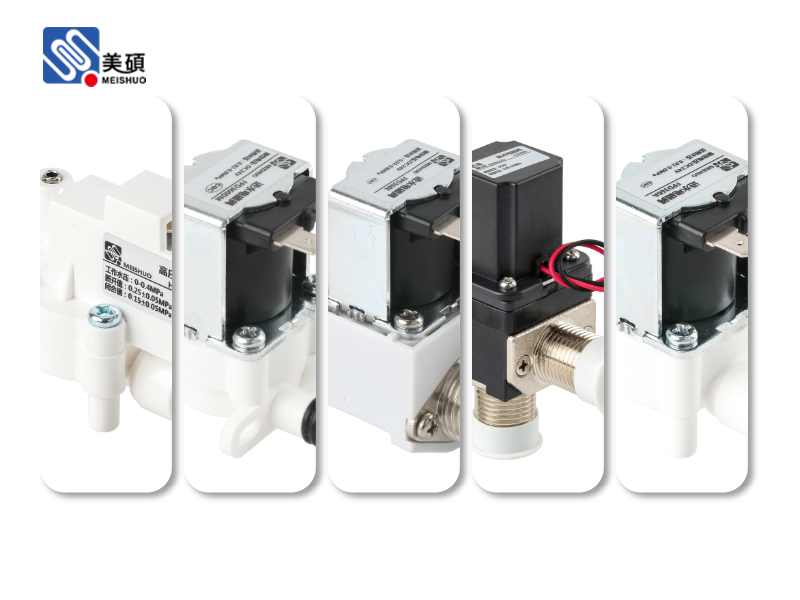
The core of a plastic solenoid valve consists of a coil, plunger, and valve body, all working in harmony to regulate the flow of liquids or gases. When an electrical current is applied to the coil, it generates a magnetic field that lifts the plunger, opening the valve and allowing fluid to pass through. Once the current is removed, the plunger returns to its original position, closing the valve and stopping the flow. This simple yet effective mechanism ensures precise control over fluid movement, making plastic solenoid valves ideal for applications requiring quick response times and accurate flow regulation.
One of the key advantages of plastic solenoid valves is their resistance to corrosion. Traditional metal valves are prone to rust and degradation when exposed to harsh chemicals or corrosive environments, leading to frequent maintenance and replacement. In contrast, plastic valves are constructed from materials like PVC, PTFE, and polypropylene, which are inherently resistant to chemical attacks. This makes them particularly suitable for industries such as chemical processing, where exposure to aggressive substances is common. Additionally, their non-metallic composition eliminates the risk of contamination, making them a preferred choice in food and beverage production, where hygiene is of utmost importance.
Another significant benefit of plastic solenoid valves is their lightweight design. Compared to metal valves, which can be heavy and cumbersome, plastic valves are much lighter, reducing the overall weight of the system and simplifying installation. This is especially advantageous in applications where space is limited or where weight constraints are critical, such as in aerospace or portable equipment. The lightweight nature of these valves also contributes to lower shipping costs and easier handling during maintenance.
Cost-effectiveness is yet another reason for the growing popularity of plastic solenoid valves. The materials used in their construction are generally less expensive than metals, resulting in a lower initial cost. Moreover, their resistance to corrosion and wear means they have a longer lifespan, reducing the need for frequent replacements and maintenance. This translates to significant cost savings over the long term, making plastic solenoid valves an economical choice for both small and large-scale operations.
In terms of applications, plastic solenoid valves are used in a diverse array of industries. In the pharmaceutical sector, they are employed in drug manufacturing processes to control the flow of liquids and gases, ensuring precision and compliance with strict regulatory standards. In water treatment plants, they play a crucial role in managing the flow of water and chemicals, helping to maintain water quality and efficiency. The automotive industry also relies on these valves for various applications, including fuel systems, cooling systems, and emissions control.
Despite their many advantages, plastic solenoid valves do have some limitations. They may not be suitable for extremely high-pressure applications, as the plastic materials may not withstand the same levels of pressure as metal. Additionally, certain plastics can be susceptible to degradation under prolonged exposure to UV radiation or high temperatures, so it is important to select the appropriate material based on the specific application requirements.
In conclusion, plastic solenoid valves have revolutionized fluid control systems with their unique combination of durability, versatility, and cost-effectiveness. Their resistance to corrosion, lightweight design, and affordability make them an ideal choice for a wide range of industries. As technology continues to advance, we can expect to see further innovations in plastic solenoid valve design, expanding their applications and improving their performance. Whether in pharmaceuticals, food processing, or water treatment, these valves are poised to play an increasingly important role in shaping the future of fluid control.

 Chat Oline