


Solenoid valves are essential components in various industrial and commercial systems, controlling the flow of liquids and gases with precision. Among the different types of solenoid valves, the normally open (NO) solenoid valve stands out for its unique operational characteristics. Unlike normally closed (NC) valves, which remain closed until energized, normally open solenoid valves are designed to stay open under normal conditions, only closing when an electrical signal is applied.
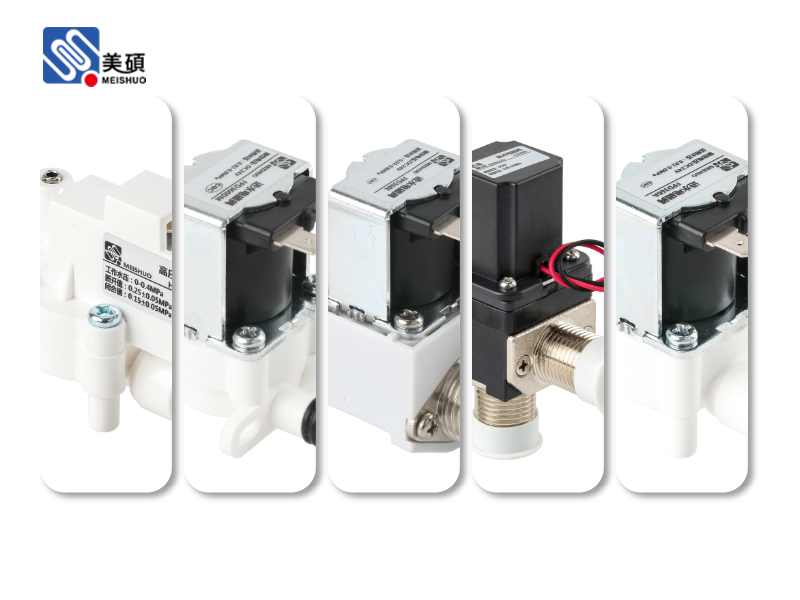
The basic structure of a normally open solenoid valve consists of a valve body, a coil, a plunger, and a spring. When no electrical current is applied, the spring keeps the valve open, allowing fluid to flow through the valve. When an electric current is sent to the coil, it creates a magnetic field that pulls the plunger down, compressing the spring and closing the valve. This design ensures that in the event of a power failure, the valve will default to an open position, which can be critical in applications where continuous flow is necessary for safety or operational purposes.
One of the key applications of normally open solenoid valves is in emergency systems. For example, in fire suppression systems, these valves are often used to control the flow of water or fire retardant. In normal operation, the valve remains open, allowing water to flow through the system. If a fire is detected, the system triggers the valve to close, directing the water to the affected area. This ensures that in the event of a power outage, the valve stays open, preventing water from being cut off when it is most needed.
Another common application is in irrigation systems. Normally open solenoid valves are used to control the flow of water to different sections of a garden or farm. When the system is not in use, the valve remains open, allowing water to flow freely. When the irrigation system is activated, the valve closes, directing water to specific areas. This design helps to conserve water by ensuring that water is only directed to the areas that need it, while also preventing water waste when the system is not in operation.
In industrial processes, normally open solenoid valves are used in a variety of applications, including fluid control, pneumatic systems, and hydraulic systems. For example, in a manufacturing plant, these valves may be used to control the flow of compressed air to different machines. When the machine is not in use, the valve remains open, allowing air to flow through the system. When the machine is activated, the valve closes, directing air to the machine. This helps to ensure that the machine receives the necessary air pressure to operate efficiently.
The advantages of normally open solenoid valves are numerous. One of the main advantages is their reliability. Because the valve remains open under normal conditions, there is less wear and tear on the valve components, which can extend the lifespan of the valve. Additionally, the design of normally open solenoid valves makes them easy to install and maintain, as they do not require complex wiring or programming.
Another advantage is their safety. In applications where continuous flow is necessary for safety, such as fire suppression systems, normally open solenoid valves ensure that the flow of fluid is not interrupted in the event of a power failure. This can be critical in preventing damage to equipment or injury to personnel.
In conclusion, normally open solenoid valves are an essential component in a wide range of applications, from emergency systems to industrial processes. Their unique design, which keeps the valve open under normal conditions and closes when an electrical signal is applied, makes them reliable, safe, and easy to maintain. Whether you are designing a fire suppression system, an irrigation system, or an industrial process, normally open solenoid valves are an excellent choice for controlling the flow of fluids with precision and efficiency.

 Chat Oline