


In the intricate world of fluid control systems, High Flow Solenoid Valves stand as a cornerstone technology that bridges the gap between precision and efficiency. These specialized valves have revolutionized industries ranging from manufacturing to agriculture, offering a reliable solution for managing large volumes of liquids and gases with remarkable accuracy. As the demand for automated fluid control continues to grow, understanding the principles, applications, and advantages of High Flow Solenoid Valves becomes increasingly important for engineers, technicians, and industry professionals.
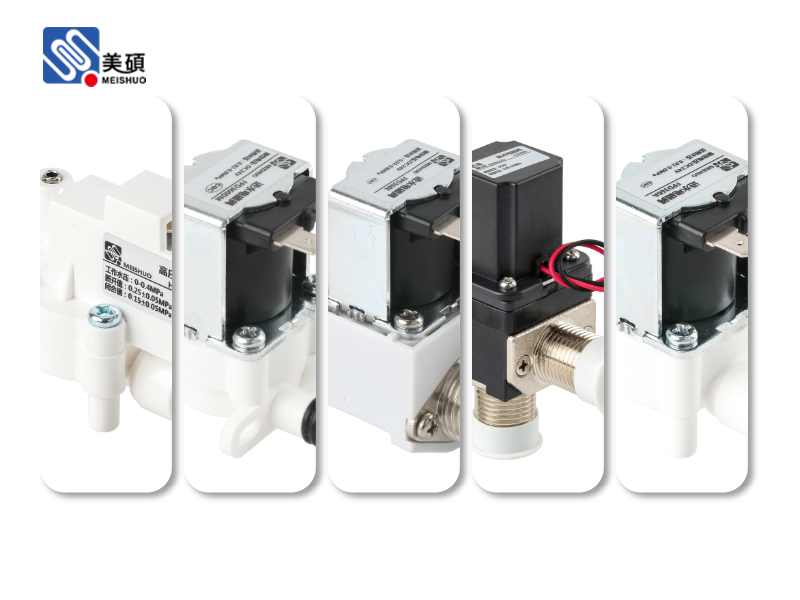
At its core, a High Flow Solenoid Valve is an electromechanically operated valve designed to handle significantly higher flow rates than standard solenoid valves. Unlike their smaller counterparts, these valves are engineered to manage large volumes of fluid without sacrificing performance or reliability. The key to their efficiency lies in their innovative design, which typically features larger orifices, robust construction, and advanced actuation mechanisms. This allows them to control the flow of fluids with minimal pressure drop, making them ideal for applications where high flow rates are essential.
The working principle of a High Flow Solenoid Valve is based on electromagnetic actuation. When an electrical current is applied to the solenoid coil, it generates a magnetic field that moves a plunger or armature, opening or closing the valve. The design of the valve body, including the size and shape of the orifice, determines the maximum flow rate it can handle. High Flow Solenoid Valves often incorporate features such as balanced poppet designs, which reduce the force required to actuate the valve, enabling it to handle higher pressures and flow rates more efficiently.
One of the most significant advantages of High Flow Solenoid Valves is their versatility. They can be used with a wide range of fluids, including water, oil, gas, and various chemicals, making them suitable for diverse industrial applications. In the manufacturing sector, these valves are used in automated production lines to control the flow of coolant, lubricants, and other process fluids. In the agricultural industry, they play a crucial role in irrigation systems, where they manage the flow of water to crops with precision. Additionally, High Flow Solenoid Valves are essential components in HVAC systems, where they regulate the flow of refrigerant and other fluids to maintain optimal temperature and humidity levels.
Another key benefit of High Flow Solenoid Valves is their reliability and durability. Constructed from high-quality materials such as stainless steel, brass, and engineering plastics, these valves are designed to withstand harsh operating conditions, including high pressures, extreme temperatures, and corrosive environments. Their robust construction ensures long service life, reducing maintenance costs and downtime for industrial operations. Moreover, the automated nature of these valves eliminates the need for manual intervention, improving operational efficiency and reducing the risk of human error.
In recent years, technological advancements have further enhanced the performance of High Flow Solenoid Valves. The integration of smart technologies, such as sensors and microcontrollers, has enabled real-time monitoring and control of fluid flow. This allows for more precise regulation of flow rates, pressure, and temperature, optimizing system performance and energy efficiency. Additionally, the development of low-power solenoid coils has reduced energy consumption, making these valves more environmentally friendly and cost-effective.
When selecting a High Flow Solenoid Valve for a specific application, several factors must be considered. These include the type of fluid being handled, the required flow rate, operating pressure, temperature range, and environmental conditions. It is also important to choose a valve that is compatible with the system's control mechanism, whether it is a simple on/off switch or a more complex programmable logic controller (PLC). Proper installation and maintenance are also critical to ensuring the valve's optimal performance and longevity.
In conclusion, High Flow Solenoid Valves are indispensable components in modern fluid control systems, offering a perfect blend of precision, efficiency, and reliability. Their ability to handle large flow rates while maintaining accuracy makes them essential for a wide range of industrial applications. As technology continues to evolve, these valves will likely become even more advanced, incorporating new features and capabilities to meet the ever-growing demands of the industry. Whether in manufacturing, agriculture, or HVAC systems, High Flow Solenoid Valves will continue to play a vital role in ensuring the smooth and efficient operation of fluid control processes.

 Chat Oline